Architecture & Design
Drive up to a house at night and what grabs you first—the architecture or the glow guiding your wheels? Underground lighting isn’t just a fancy perk anymore; it’s become the unsung hero of safety, style, and straight-up curbside bragging rights. For anyone managing multiple properties or overseeing large-scale installations, this kind of lighting turns dark driveways into well-lit welcome mats—without screaming for attention.

Technical Durability
You want tough-as-nails gear that doesn’t blink every time it rains? Say hello to IP65-rated fixtures with aluminum guts and glass faces tougher than your uncle’s old pickup truck. And when you’re dealing with hundreds of linear feet, energy-saving LEDs and 100–277V flexibility aren’t bonuses—they’re lifelines. Buckle in—we’re about to walk you through 10 ideas that’ll earn nods from both building inspectors and Instagram influencers.
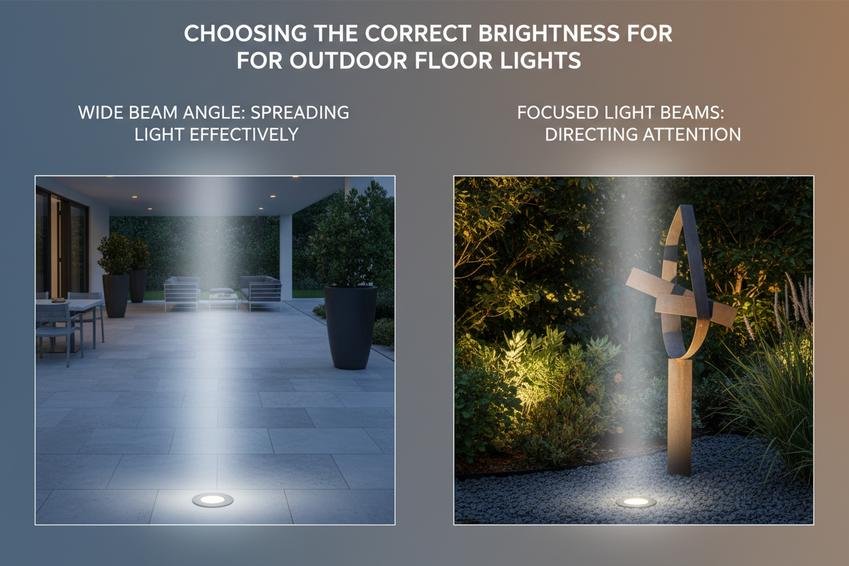
FIG 01. PATHWAY ILLUMINATION
Transform Your Pathways With Underground Lighting Ideas
Brightening up your walkways isn’t just about visibility—it’s about vibe, safety, and style all rolled into one.
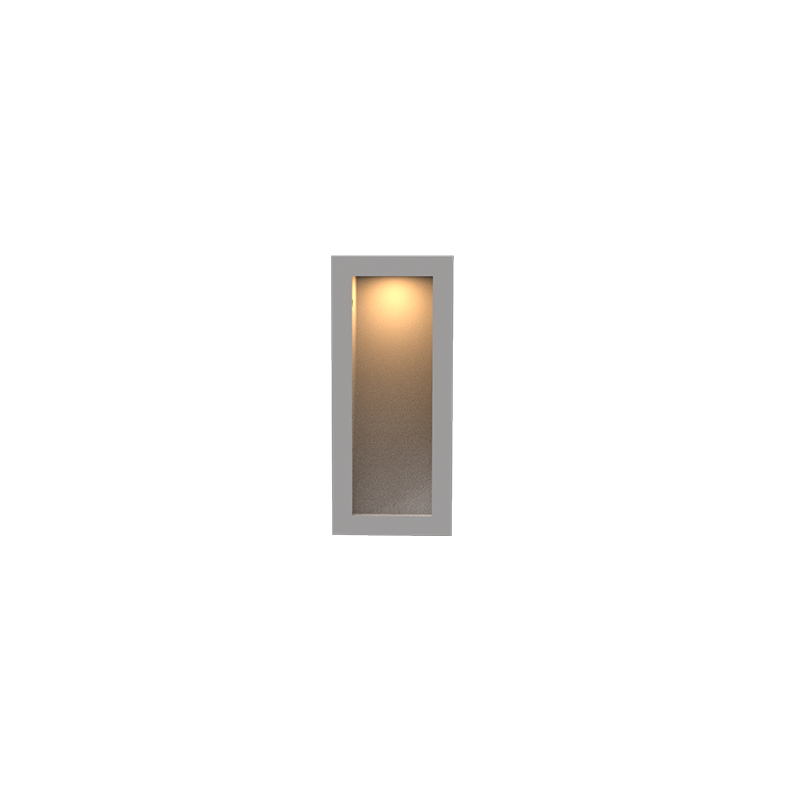
LED Troffer Lights: A Modern Twist for Pathway Elegance
• Add a sleek glow to garden paths with LED troffer lights that blend functionality with modern aesthetics.• These fixtures provide wide-angle illumination—great for avoiding shadows on uneven surfaces.• You’ll love how they balance energy efficiency with upscale charm.
Choose recessed or surface-mounted styles based on your layout.Match the fixture finish to nearby elements like stone or wood.Opt for dimmable models to adjust brightness as needed.
• Perfect for low-clearance areas where vertical space is tight.• Compatible with smart controls for automated evening lighting.
The soft diffusion of light these fixtures offer creates an inviting atmosphere that feels both high-end and homey—ideal for any walkway upgrade.
Short and sweet: They’re efficient, they look great, and they last forever.
Need something subtle but stylish? These lights tuck right into ceilings or soffits near pathways without drawing attention away from your landscaping features.
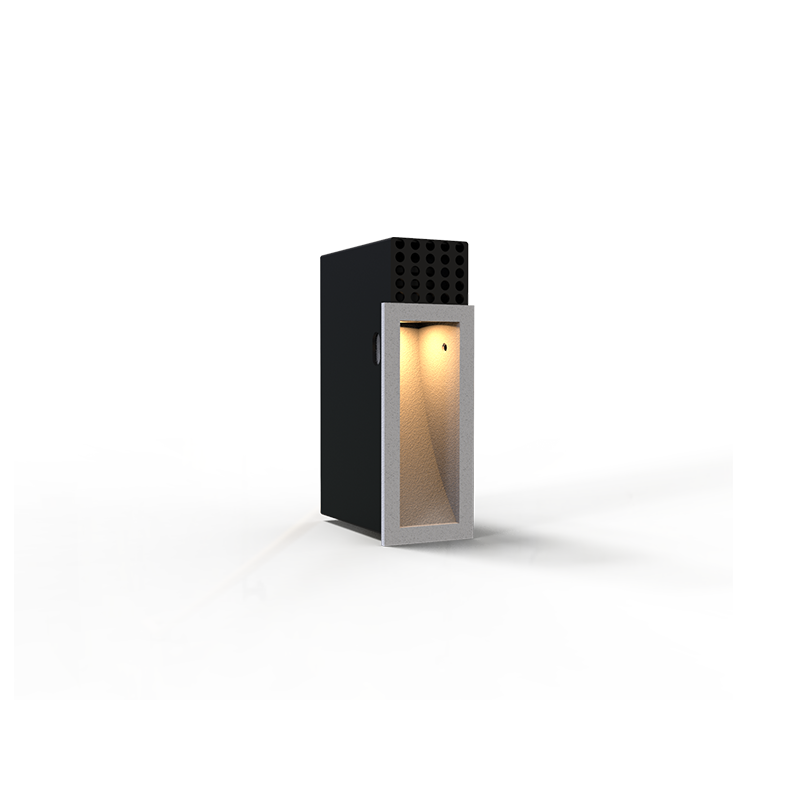
Incorporating Aluminum Housing for Durability
Why Aluminum Housing?
• Aluminum housing resists corrosion better than steel, making it perfect for damp environments common in underground lighting setups.• It’s also lightweight, which makes installation easier when working under tight crawlspaces or along buried conduits.• The rigid structure handles extreme temperatures and moisture fluctuations like a champ.
Installation Best Practices
Look for powder-coated finishes—they add extra weather resistance.Ensure gaskets are sealed properly to prevent water ingress.Use tamper-resistant screws if the area is accessible from public zones.
Long-Term Benefits
• Great match with LED modules due to thermal conductivity benefits.• Won’t rust over time—even in coastal climates or flood-prone zones.
You don’t want brittle plastic housings cracking underground after one winter freeze-thaw cycle—go aluminum and forget the maintenance headache.
Quick tip: For long-term installs beneath driveways or patios, use junction boxes rated IP68 alongside these fixtures to lock out debris and moisture completely.
The Role of Color Temperature
Vibe & Tone
• Want cozy vibes? Go warm white (2700K–3000K). Need crisp clarity? Try cool white (4000K–5000K).• Proper color temperature sets the tone—literally—for your driveway’s nighttime curb appeal.• Combine different tones along borders versus central strips to create layered contrast effects that pop without being over-the-top flashy.
Planning Strategy
Map out fixture spacing before choosing color temperature—it affects light overlap perception.Avoid mixing drastically different tones unless you’re aiming for artistic contrast.Use adjustable CCT fixtures if you might want seasonal changes in ambiance later on.
Design Impact
• Warmer hues highlight brickwork beautifully at night.• Cooler whites enhance visibility near garages and entrances.
That subtle shift in shade can make concrete look cleaner or pavers feel more luxurious—it’s all about dialing into what fits your style best while still keeping things practical underfoot at night.
Mixing cool-toned lights near vehicle access points with warmer glows by seating areas adds depth to your design—and helps guide guests naturally through space using just light cues alone.
And remember, whatever setup you go with—from smart-controlled LEDs to rugged aluminum builds—your driveway deserves more than just basic bulbs jammed into the ground; it deserves thoughtful illumination crafted around real-life use cases of everyday living spaces enhanced by great underground lighting choices.
Creating Ambiance: Underground Lighting For Outdoor Spaces
A killer outdoor vibe starts with the right lights—especially when they’re tucked underground and working their glow magic.

5000K Color Temperature
Brightness that Enhances Outdoor Vibes.
• 5000K lighting mimics midday sunlight—crisp, clean, and perfect for highlighting garden paths or patios.• It brings out natural hues in plants and architecture, making colors pop without being too harsh.• The Kelvin scale puts 5000K in the “cool white” zone—ideal for areas where clarity matters.
That cool white glow from a 5000K bulb is like a fresh coat of paint for your yard—it just makes everything look better.
Impact Resistant Glass
Essential for Longevity in Outdoor Settings.
Durability
Built to handle knocks, kicks, hailstorms—you name it. You don’t want your lights cracking under pressure.
Protection
Keeps debris and moisture from damaging internal parts. Essential when installing fixtures flush with ground level.
Material
Using impact resistant glass, especially tempered glass, is non-negotiable for anything embedded into walkways or driveways.
Designing with Linear Strip Lights
Atmospheric Effects & Modern Vibes.
Sleek
Want sleek? Use recessed linear strip lights along garden edges. Short runs of flexible lighting can transform even the simplest backyard into something cinematic.
Drama
Need drama? Backlight stairs or benches with soft LED lines. These low-profile wonders are all about ambient vibes—not just brightness.
Modern
Going modern? Outline water features or stone walls. And because most LED strips are weather-sealed, you get style without sacrificing durability.
CE Marking Compliance: Ensuring Safety
- Confirms products meet strict EU safety standards
- Ensures proper electrical insulation and moisture protection
- Required for legally selling lighting equipment across Europe
“Outdoor-rated products with CE certification showed 38% fewer failures under stress testing.”— TÜV Rheinland’s 2024 compliance report
Underground setups demand more than good looks—they need certified safety baked into every wire and seal point.
Top 3 Underground Lighting Types For Safe Driveways
Safety & Infrastructure
Picking the right kind of underground lighting can seriously boost your driveway’s safety and vibe. Let’s break down what works best.
High Bay Fixtures vs. Emergency Exit Lights
When it comes to outdoor or semi-covered driveways, choosing between High Bay Lighting and Emergency Lighting isn’t just about brightness—it’s about the right fit for the job.
High Bay Fixtures
• Designed for wide coverage— ideal if your driveway covers a large area.• Typically found in industrial zones but increasingly used in high-ceiling carports or overhangs.• Deliver strong, consistent illumination that lasts through tough weather conditions.
Emergency Exit Lights
• Focused on safety compliance— great near garages or walkways where clear exits matter.• Often include backup batteries, so they keep glowing during power outages.• Work well as supplemental lighting rather than primary commercial lighting sources.
Key Differences to Keep in Mind
• Brightness: High bays dominate here, especially for long-range visibility.• Functionality: Exit signs are more about direction and emergency clarity than full illumination.• Energy Use: Emergency lights consume less power but serve a narrower purpose.
If your driveway includes warehouse-style structures or tall awnings, go with high bays for broader reach and better visibility. But if it’s more about guiding people safely at night or during blackouts, strategically placed exit lights win out.
Understanding the Benefits of 100–277V Universal Voltage Systems
Let’s talk voltage—the unsung hero behind reliable underground driveway lighting setups. A system that supports a wide range like 100–277V universal voltage gives you way more flexibility than you’d expect.
- You don’t need to worry whether your local grid runs on low or high voltage—these systems adapt automatically.
- Installers love them because they cut down on rewiring time and eliminate guesswork.
- They’re perfect for retrofitting older homes with modern LED setups without blowing fuses or budgets.
Universal Voltage Setup
“Universal voltage LED systems have reduced installation error rates by over 18% globally due to their plug-and-play adaptability.”— IEA’s Global Energy Efficiency Report (2024)
Rather than juggling different transformers or fretting over electrical compatibility, these systems let you focus on what matters—getting those sleek underground lamps glowing strong every night.
And since most modern LED lighting systems support this broad range, you’re also banking serious energy savings while staying code-compliant across regions with different grid standards. Whether you’re illuminating a single-lane suburban drive or setting up pathway markers across an estate-sized property, going universal means fewer hiccups—and brighter results—for your underground setup.
Underground Lighting Essentials For Safe Pathways

Getting your underground lighting setup right isn’t just about looks—it’s about safety, durability, and smart choices that’ll last.
Essential Installation Techniques
Choosing between surface mount and recessed ceiling options really boils down to where you’re installing and how you want it to look.
Surface Mount
• Surface mount fixtures are easier to install and great for retrofit jobs.• Wiring often requires conduit.• Short spaces? Go surface.
Recessed Ceiling
• Recessed ceiling lights offer a cleaner finish but need more prep and space.• Might need hidden junction boxes.• Want sleek? Recess it.
The Importance of IP65 Waterproof Ratings
If your pathway lights don’t have an IP65 rating, you’re asking for trouble.
• Keeps out dust like a champ.• Blocks water jets from any direction.• Extends lifespan in humid climates.
Choosing Corrosion Resistant Coating
In salty air or industrial zones, rust shows no mercy.
- Powder-coated aluminum resists flaking and chipping.
- Marine-grade stainless steel stands up to coastal conditions.
More Likely to Fail
Recent data shows non-certified components are 3x more likely to cause electrical failures.
UL Certified Components are a must for pathway safety.
5-Year Limited Warranty
Ensuring Peace of Mind with Your Purchase.
• A true 5-year warranty means fewer replacements.• Covers defects in materials or workmanship.• Even MG Lighting only offers one warranty like this per product line!
FAQs about Underground Lighting
What makes underground lighting stand up to tough environments?
Underground spaces are unforgiving. The best lights come armored with:
• Corrosion-resistant coating• IP65 waterproofing• Thick aluminum housing• Tempered glass
How does color temperature change the mood?
At 5000K, light mimics daylight—clean, bright, energizing. It sharpens visibility in tunnels or access corridors and gives everything a crisp edge that feels safe and modern.
Is aluminum housing really necessary?
When durability matters most, aluminum earns its place. It resists corrosion better than steel, is lighter, and holds shape under pressure.
Why insist on universal voltage systems?
Universal voltage (100–277V) removes guesswork. It’s compatible with various grid types and reduces inventory complexity.
Do certifications really matter?
Absolutely. Look for UL certification (safety), CE marking (customs), and DLC listing (rebates). Without these, you are gambling with liability.
Are linear strip lights good near driveways?
Yes. They define boundaries clearly after dark while avoiding harsh glare from floodlights overhead.