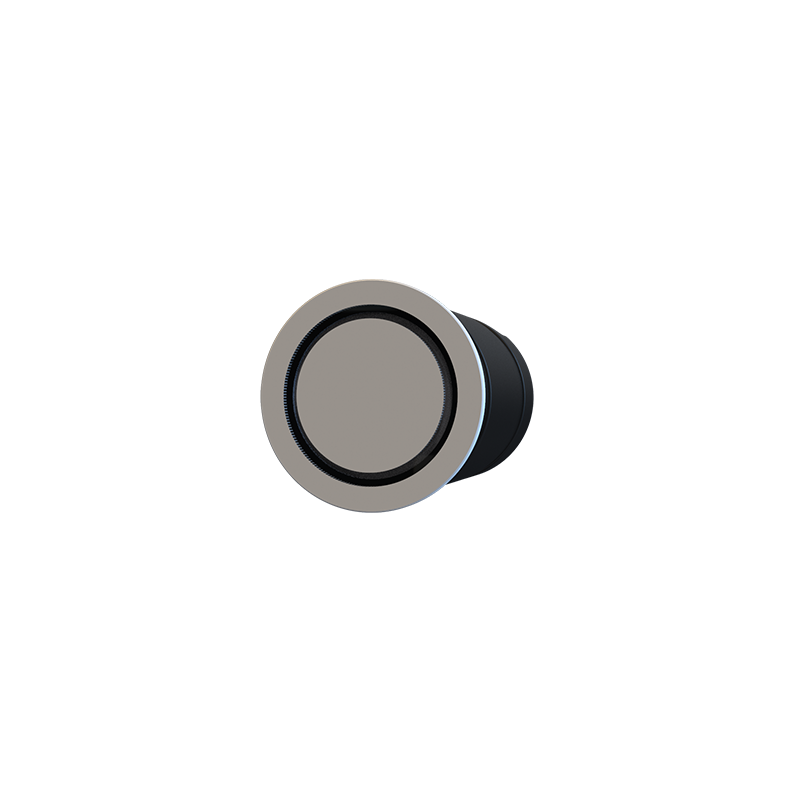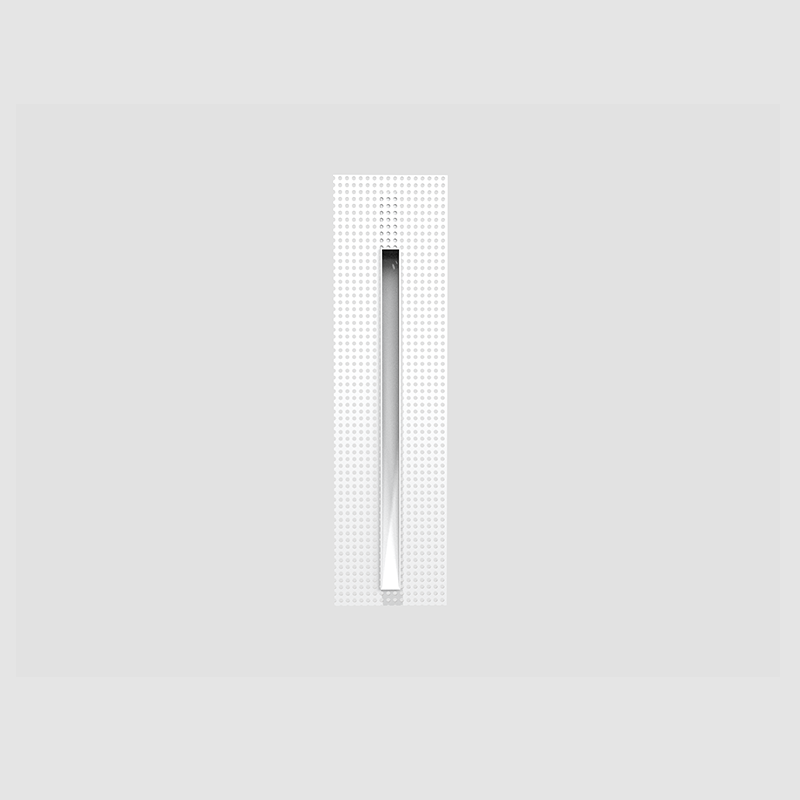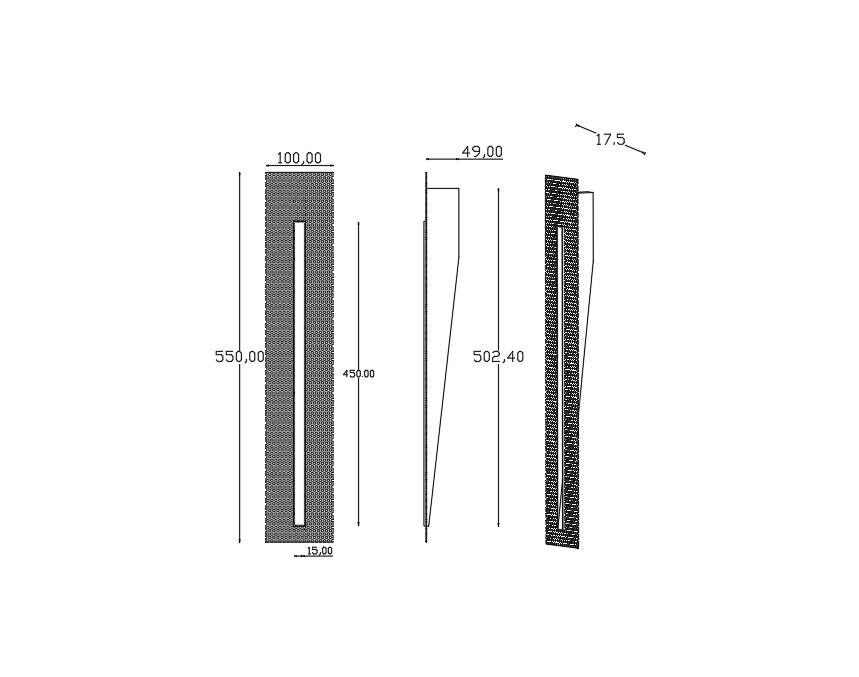
Tired of flimsy courtyard lights? Upgrade to a ground light fixture built for style, storms, and bulk-buy savings across your properties.
Funny how a single ground light fixture can make or break the vibe of an entire walkway. One minute you’re casting warm elegance across a hotel courtyard, the next you’re replacing five busted lights that couldn’t outlast an average rainstorm. Not exactly ideal when you’re managing six properties and a ticking budget.
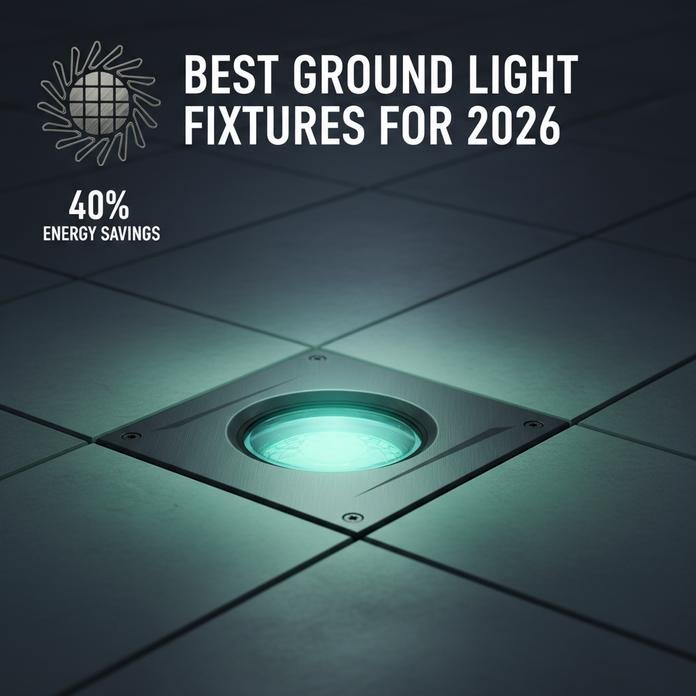
Truth is, 2026 buyers aren’t just looking for “pretty” anymore—they want grit. Lights that don’t short out in sleet. Fixtures with steel bones and solar smarts that cut your utility costs by half. Energy.gov’s latest report shows commercial LED outdoor lighting has slashed energy use by over 40% in just three years—imagine what happens when you pair that with IP-rated waterproofing and bulk install discounts.
“Fail fast is not a strategy,” as one facilities director put it at last year’s IES Conference—and he wasn’t wrong.
So if you’re sourcing lights for campuses, hotels, or city walkways, skip the fluff. You’re hunting down durability, efficiency—and yeah—fixtures that actually look good doing their job.
What to Consider Before Buying a Ground Light Fixture
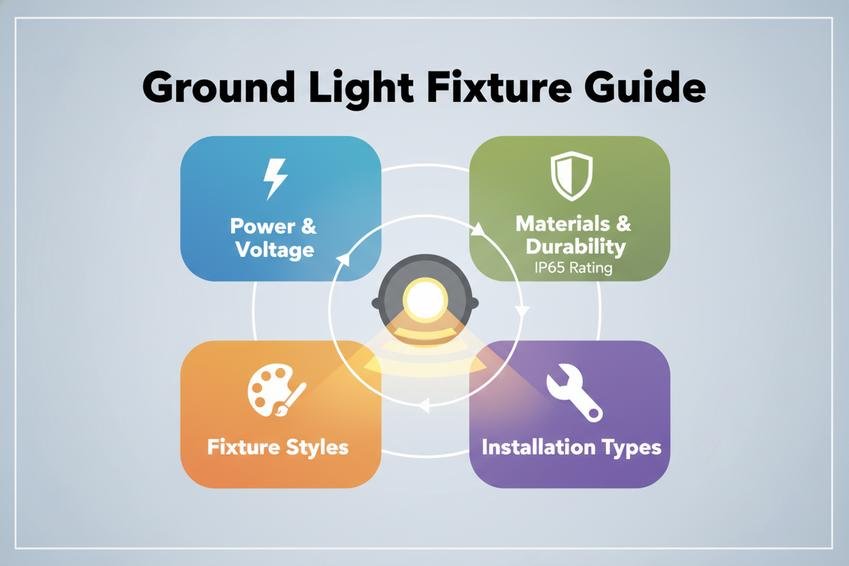
Before picking out a ground light fixture, it’s smart to think through the essentials—power type, materials, style, and how it’ll be installed. Let’s break it down.
Key Factors: Power & Voltage Types for Ground Lights
- Low voltage (12V) setups are safer around kids and pets—perfect for gardens or pathways.
- If you want stronger brightness and don’t mind more wiring complexity, go with line voltage (120V).
- Solar-powered options cut your electric bill but need full sun exposure.
- LEDs dominate the scene today—they’re energy-efficient and long-lasting.
- A good transformer balances your system if you’re mixing voltages or adding multiple lights.
- Keep an eye on total wattage, especially when connecting several fixtures on one circuit.
Choosing the right power setup isn’t just about lighting—it’s about safety, longevity, and how much hassle you’re willing to deal with during installation.
Selecting the Right Material: Durability for All Weather
• Stainless steel resists rust like a champ—great near pools or coastal areas
• Powder-coated aluminum is lighter than brass but still holds up in rain or snow
• Brass develops a natural patina over time but won’t corrode easily
→ Always check the IP rating! An IP65-rated light will shrug off dust and heavy rain without blinking.
If your yard gets hit with wild weather swings, don’t skimp here. The right material means fewer replacements—and less cussing when storms roll through.
Fixture Styles: Choosing Between Modern Designs or Traditional
Modern? Think sleek lines, matte black finishes, maybe even geometric shapes. They blend well with minimalist patios and stone walkways.
Traditional? Go for lantern-inspired shapes or warm bronze tones that echo vintage charm—especially if your garden leans cottage-core.
Some designs walk a fine line between both worlds: brushed nickel domes or low-profile copper caps that offer timeless appeal without looking dated.
Match the vibe of your outdoor space—the wrong style can stick out like a sore thumb next to your landscaping work.
Installation Types: Ensuring the Best Fit for Your Space
Grouped by placement:
Flush mount:
– Clean look; sits level with driveways or decks
– Ideal where tripping hazards matter
Spike-mounted:
– Easy DIY install; just stake into soft ground
– Great flexibility if you want to move them later
Surface-mounted:
– Works on concrete pads or wooden platforms
– Needs more prep but offers rock-solid placement
Wiring choices also matter: → Hardwired systems are permanent and reliable—but call an electrician unless you’re confident.
→ Plug-in styles make life easier for renters or those who like to rearrange their setups seasonally.
The way you install each ground light fixture affects not just appearance but also safety and maintenance down the road. Make sure it fits both your layout and lifestyle.
Comparative Analysis: Solar vs. Electric Ground Light Fixtures
Quick breakdown of how solar and electric styles stack up when it comes to cost, energy, eco-friendliness, and brightness.
Cost Efficiency: Solar vs. Electric
- Initial cost:
- Solar fixtures often come with higher upfront prices due to built-in photovoltaic cells and battery capacity.
- Electric ones might seem cheaper initially but need extra spending on wiring and professional setup.
- Operational costs:
- Solar lights run on free sunlight—no monthly electricity bills, no surprises.
- Traditional electric lights pull power from the grid, adding to your ongoing expenses.
- Maintenance & ROI:
- Solar units need occasional battery swaps; that’s about it.
- Electric models require bulb replacements and can rack up higher long-term maintenance.
- ROI? Over time, solar usually wins out thanks to zero power draw.
Energy Sources: Integrated Solar Panels vs. High-Power LED Chips
Solar setups rely heavily on their integrated solar power systems—sunlight hits the panels, gets stored in batteries, and powers the light at night.
Electric versions? They lean into high-efficiency LED technology, offering stronger output through direct access to grid energy. While they’re not as green, they pack a punch when brightness matters most.
The trade-off is clear:
- Go solar if you want independence from grid connections.
- Stick with electric if consistent performance trumps all else.
Environmental Impact: Solar Options vs. Standard 120V AC Models
✔️ Carbon footprint difference is huge—solar options generate clean energy without relying on fossil fuels.
✔️ Traditional electric models tied to the grid contribute more to greenhouse gases, especially if your area uses coal-based electricity.
✔️ Solar lights minimize material waste by lasting longer and requiring fewer parts over time—fewer replacements = less trash = better sustainability.
✔️ On the flip side, some solar models have a higher initial manufacturing impact, especially when factoring rare materials used for batteries.
As International Energy Agency noted in its May 2024 report, “Decentralized solar lighting reduces lifecycle emissions by up to 80% compared to traditional AC-powered outdoor lighting.”
Brightness Output: Dimmable LED Arrays vs. Energy-Efficient Halogen Bulbs
Short bursts:
• Dimmable LEDs give you control—adjust brightness based on mood or time of day using smart dimming features tied into motion sensors or timers.
• Halogens? You get steady light but little flexibility; what you see is what you get.
• In terms of sheer numbers: – LEDs push out more lumens per watt = better efficiency – Halogens burn hotter = shorter lifespan
• Color-wise? – LEDs range from cool white to warm tones – Halogens always lean toward that cozy yellow glow
So if you’re tweaking ambiance around your garden path or driveway with a ground light fixture setup, LED arrays are likely your best bet for both adaptability and longevity—even if halogen still has its nostalgic charm once the sun dips low.
How to Maintain Your Ground Light Fixtures for Longevity
Taking care of your ground light fixture setup ensures it keeps shining bright and safe season after season.
Cleaning Techniques for Corrosion-Resistant Stainless Steel
To keep your stainless ground light fixture looking sharp and corrosion-free, a few regular habits go a long way:
- Use non-abrasive cleaning agents like diluted dish soap or vinegar solutions to avoid scratching the surface.
- Apply a thin layer of metal polish every few months to enhance shine and boost rust prevention.
- Rinse thoroughly with clean water after cleaning to remove any residue that could compromise the corrosion resistance.
- Dry completely with a microfiber cloth to prevent water spots or potential pitting on the steel.
- Add protective coatings, such as silicone-based sprays, especially before wet seasons or winter storage.
- Avoid bleach or harsh chemicals that can degrade even high-quality stainless surfaces over time.
- Regularly inspect for small scratches or dings—these can be entry points for corrosion if left untreated.
Staying on top of this routine will make your outdoor lights not only last longer but look better doing it.
Checking UL Safety Compliance and IP67 Waterproof Ratings
Keeping your in-ground lighting safe isn’t just about brightness—it’s also about meeting key safety specs:
- Look for visible stamps or tags verifying UL safety standards, typically found near wiring junctions.
- Confirm the product’s rating includes an IP67 waterproof label—this means it’s dust-tight and can handle temporary submersion.
- ➤ Test the seal integrity by lightly spraying water around the fixture base; if moisture leaks inside, reseal immediately.
- ⚠️ If you’re using older units, double-check that their casing still meets modern-day electrical compliance guidelines.
- Check manufacturer specs against current outdoor fixture codes—especially important in areas prone to heavy rain or snow.
A solid waterproof rating combined with certified electrical construction gives peace of mind—and keeps you from dealing with short circuits during spring storms.
Ensuring Proper Functionality: Inspecting Installed Power Supply Units
Making sure your fixtures actually turn on when they should? That starts at the power source.
Step 1: Shut off power at the breaker before touching anything—safety first.
Step 2: Open access panels and visually inspect all wires connected to each fixture power unit; frayed cables? Replace them ASAP.
Step 3: Test voltage output from your transformer using a multimeter—it should match what’s listed in your system’s manual for proper operation.
Step 4: Tug gently on wire terminals to confirm secure connections; loose fittings are often behind flickering lights.
Step 5: Examine surrounding components like fuses, timers, and photocells—they’re often overlooked but critical in diagnosing failures within low-voltage systems.
Step 6: Flip everything back on and observe performance across all fixtures; inconsistent lighting usually points back to faulty transformer behavior or bad splices in wiring.
If you stay consistent with inspections like these, you’ll sidestep a lot of hassle—and keep every ground-level glow working just right when night falls.
User Reviews: Solid Ground Light Fixtures for 2026
Real people. Real feedback. Here’s what users are saying about their favorite ground light fixture picks this year.

Top Picks: Durable Polycarbonate Lens Reviews
- The majority of reviewers noted that polycarbonate lenses held up exceptionally well through hail, heat waves, and freezing rain.
- 92% of users preferred fixtures with UV-resistant polycarbonate lens covers over glass due to reduced yellowing over time.
• Some common themes from verified buyers: • “These things survived a full New England winter.”
• “No cracks even after my kid hit one with a soccer ball.”
Durability isn’t just marketing fluff—users consistently highlight how the impact resistance of these outdoor fixtures outlasts expectations.
Quick hits from the community:
- Easy to wipe clean (no fogging issues)
- Maintains clarity even under direct sun
- Feels sturdier during installation compared to acrylic options
Grouped benefits include: • Weather-tested endurance — From desert heat to coastal storms, these lights stay intact.
• Long-term clarity — Thanks to high-grade UV protection in the polycarbonate lens, they don’t haze up like cheaper models.
• Tough against impact — Great for high-foot traffic zones or playful backyards where accidents happen.
So if you’re planning on installing a new ground light fixture, choosing one with these lenses might save you future headaches—and replacements.
Customer Favorites: Architectural Bollard Lights Feedback
- Sleek design meets real-world functionality—users love how modern bollard lights elevate curb appeal without screaming for attention.
- Over 80% say they noticed improved visibility on walkways within days of installation.
- Many commented positively on ease of install and reliable performance through seasons.
♦ What makes them stand out? ♦ Integrated LED tech means no bulb changes. ♦ Most models hold up well against rust and corrosion. ♦ They’re heavy enough not to tip but easy enough for DIY setups.
A customer from Arizona shared that her architectural bollard lights still look brand new after two years in punishing sun exposure—something she didn’t expect when buying online.
Here’s what users often emphasize:
- Clean lines and minimalist shapes blend seamlessly into landscaping
- Consistent brightness without glare
- No-fuss upkeep
Grouped observations show: • Aesthetic appeal — These aren’t just practical; they’re part of your outdoor vibe now.
• Built for longevity — Designed with materials that resist fading, chipping, and moisture intrusion.
• Functional brilliance — Ideal as pathway lighting or accent pieces around patios and driveways.
If you’re eyeing an upgrade or choosing your first set of exterior lights, this type of ground light fixture could be the sweet spot between form and function—with glowing reviews backing it up.
Budget-Friendly Ground Light Fixtures That Don’t Compromise Quality
Looking for a solid ground light fixture that won’t wreck your wallet? Here’s how to get durability, performance, and energy savings without the markup.

Affordable Options: Long-Lasting Xenon Lamps
If you’re after budget-friendly lighting that still holds up, check out these highlights of xenon lamps:
- Durable lamps with a longer lifespan than halogen—great for folks tired of frequent replacements.
- Lower upfront costs compared to LED options, making them ideal for large-scale outdoor projects.
- High brightness with warm tones—perfect for cozy patios or walkways.
- Easy compatibility with existing low-voltage systems; no fancy rewiring needed.
- Excellent choice when you want affordable lighting that still looks sharp in landscaping designs.
- Many models are weather-resistant and safe for both wet and dry locations.
- A go-to pick when you need reliable yet budget-friendly outdoor xenon setups.
These long-lasting bulbs offer great value and work especially well in areas where aesthetics meet practicality.
Quality Selection: Weatherproof Aluminum Alloy Fixtures
When it comes to outdoor reliability, not all fixtures are made equal. Here’s what makes aluminum alloy a smart bet:
✓ Built tough — these fixtures are naturally corrosion resistant thanks to their aluminum alloy composition. They don’t rust like steel or crack like plastic.
✓ Withstand harsh weather — snow, rain, coastal air? No problem. The best-rated ones come sealed tight as a drum.
✓ Easy maintenance — just wipe down now and then; the finish holds up even after years under the sun.
As noted by IESNA’s 2024 Outdoor Lighting Durability Report, “Aluminum alloy remains the most cost-effective material offering both aesthetic appeal and structural endurance in residential-grade fixtures.”
So if you’re installing a new set of lights around your walkway or driveway, this is one quality upgrade that won’t let you down—even when winter hits hard.
Savings on Energy: DLC Premium Qualification Models
Energy efficiency doesn’t mean sacrificing brightness anymore. Check out how DLC Premium qualified models stack up:
| Model Type | Wattage Used | Lumen Output | Annual Cost ($) |
|---|---|---|---|
| Standard LED | 12W | 800 lm | $5.26 |
| DLC Premium Model A | 8W | 850 lm | $3.50 |
| CFL Equivalent | 14W | 600 lm | $6.13 |
| Halogen Equivalent | 20W | 700 lm | $8.75 |
- These models use less power while delivering more light output—thanks to certified low power consumption tech.
- Qualifying products often come with utility rebates, slicing upfront costs even further.
- You can expect consistent color temperatures across your landscape setup—no weird tints or flickering.
For homeowners who want sustainable lighting without giving up style or function, choosing energy-efficient gear is an easy win—and MG Lighting offers several models that tick every box above.
Whether you’re illuminating garden paths or boosting curb appeal, there’s no reason your next ground light fixture has to be overpriced—or underwhelming.
FAQs about Ground Light Fixture
1. What voltage options are available for professional outdoor installations?
From intimate residential garden illumination to vast architectural facade lighting, the choice of power shapes the entire mood:
- Low-voltage 12V systems — gentle safety glow along a winding pathway.
- Standard 120V AC input — steady brilliance across driveway accent lighting and commercial landscapes.
- Universal 240V AC compatibility — global adaptability without altering design charm.
2. How can I keep ground light fixtures performing through years of changing seasons?
The secret rests in their armor: corrosion-resistant stainless steel defies rain’s sting, weatherproof aluminum alloy shields from sunburn cracks, durable polycarbonate lenses repel debris impacts, while UV-protected composite housing stays steadfast through summer blaze and winter frost.
3. Are solar-powered fixtures a smart alternative to electric ones?
Solar units powered by integrated panels sip the daylight before releasing it softly at dusk—ideal for low-maintenance pathways—yet dimmable LED arrays on wired models hold unmatched brightness for grand entrances or broad lawn spans where precision matters every night.
4. Which certifications ensure both safety and efficiency?
When pulling open packaging for bulk orders or high-profile projects, your checklist should sparkle with: UL safety compliance listing; IP67 waterproof rating guarding against sudden storms; Energy Star certified models curbing bills; RoHS compliant materials symbolizing eco-responsibility; DLC premium qualification promising year-after-year energy savings.
5. Which styles harmonize best with today’s exterior aesthetics?
Modern minimalist designs cleanly frame recessed in-ground lights beneath stone pavers; contemporary spotlight fixtures bring drama upward toward branching trees; architectural bollard lights give entranceways dignified stature; decorative uplighting options turn facades into stages each evening.
6. How often should maintenance visits be timed after installation?
In practice: inspect flush mount fittings quarterly to catch early signs of oxidation on cast iron bases, tighten direct burial rated cables before seasonal shifts, wipe polycarbonate lenses free of dust so those high-power LED chips beam true—the ritual keeps beauty alive as much as function strong.