Say goodbye to blinding pathways—choose Outdoor Ground Lights with anti-glare precision for stylish, headache-free large-scale installs.
Ever walked past a beautifully lit pathway only to get blinded by a rogue spotlight? That’s glare—uninvited, unflattering, and totally avoidable. Outdoor Ground Lights are supposed to guide your steps, not fry your retinas like bacon on a skillet. For anyone designing driveways, plazas, or high-end landscapes, the wrong lighting choice can feel like putting ketchup on filet mignon.
Anti-glare tech isn’t just about dimming down—it’s about aiming right. “Precision optics make all the difference,” says Lena Xu, Senior Lighting Designer at MG Lighting (2024 Q2 Design Summit), noting that strategic beam control reduces eye strain while enhancing architectural features. It’s science with style—and buyers in charge of large-scale installs know every lumen counts.
This guide breaks it down: what works where (LED or solar?), which builds last (stainless vs aluminum), how power plays in (AC/DC), and who makes it best—so you don’t spend thousands fixing what could’ve been done right the first time.
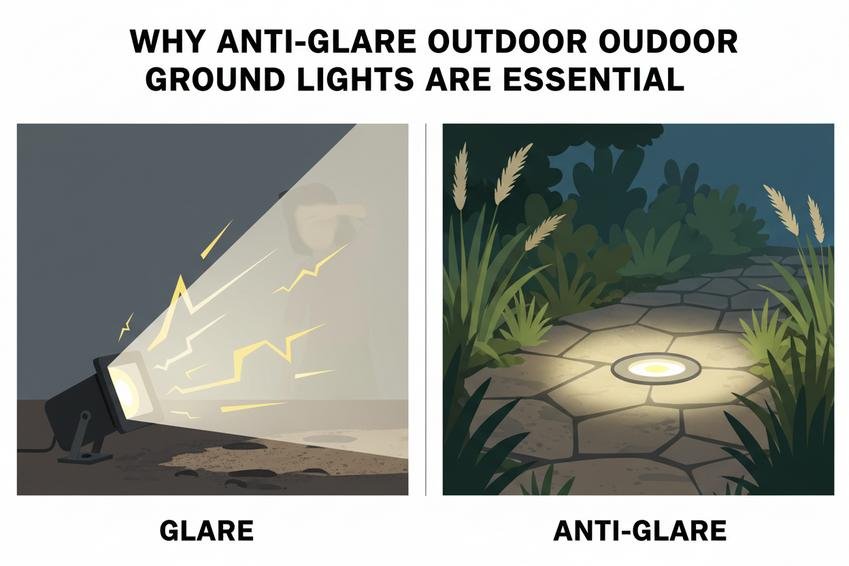
Why Anti-Glare Outdoor Ground Lights Are Essential
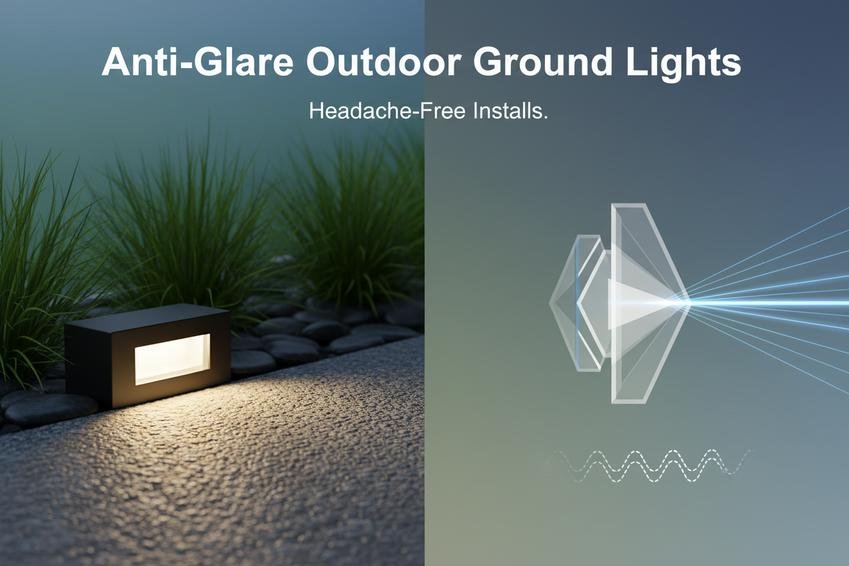
Outdoor ground lighting should light up your space, not blind it. Let’s talk about how glare ruins the vibe—and what fixes that.
The Impact of Glare on Outdoor Lighting Experience
• Glare messes with your night vision, making it harder to see what’s right in front of you.
• It causes eye strain, especially when poorly designed fixtures shoot light directly into your eyes.
• Harsh glare can also turn stylish landscape lighting into an uncomfortable experience instead of an inviting one.
When stray light spills where it shouldn’t, like across walkways or into windows, it creates not just discomfort but real safety hazards too. If you’ve ever squinted through a bright beam just to find your front door, you know exactly what we mean.
Understanding the Need for Anti-Glare Technology in Outdoor Spaces
Anti-glare lighting isn’t just about better looks—it’s about smarter design that works with your eyes and environment. Here’s why:
— It reduces light pollution, letting stars shine brighter and neighbors sleep easier.
— You get improved safety thanks to less blinding brightness and more focused illumination.
— Less glare means more comfort during nighttime activities like grilling or hanging out by the pool.
Plus, good anti-glare tech helps avoid disability glare, which can completely block visibility in high-contrast areas like driveways at night.
Benefits of Anti-Glare Outdoor Ground Lights for Landscaping
Short bursts of insight on why these lights are a game changer:
• They bring out the best in plant textures and stone pathways without washing them out.
• With reduced spillover, they boost energy efficiency while keeping focus tight on key features.
• Integrated diffusers and shields cut down harsh contrast so everything looks softer—and way classier.
MG Lighting’s anti-glare models use smart details like recessed angles and adjustable shields to keep things sleek yet functional. Whether you’re illuminating a garden bed or lining a walkway, these lights help balance brightness with subtlety—no more overpowering beams ruining your evening chill.
By choosing anti-glare fixtures with precise beam angle, durable materials, and thoughtful placement, you’re not just lighting up your yard—you’re enhancing every moment spent outside under the stars with well-designed Outdoor Ground Lights that actually make sense.
Key Considerations When Selecting Outdoor Ground Lights
Finding the right setup for your outdoor ground lights isn’t just about looks—it’s about function, safety, and durability.
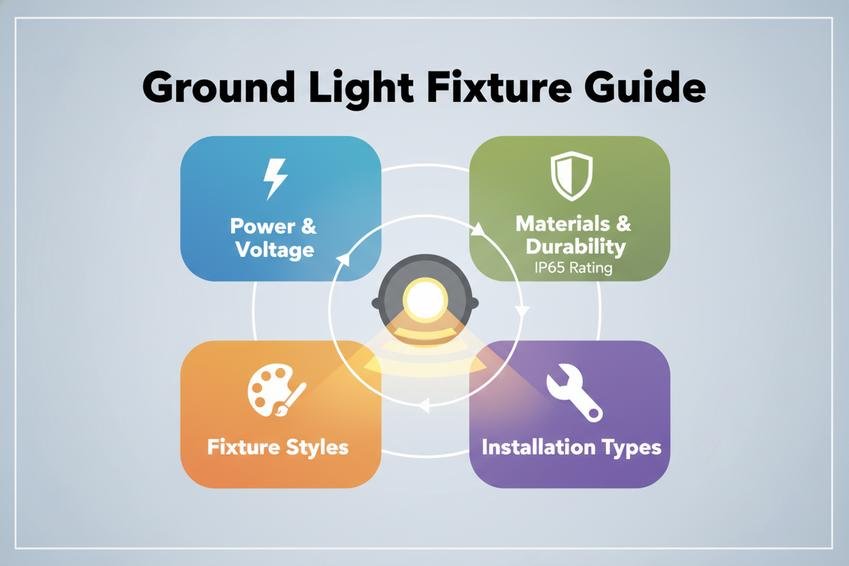
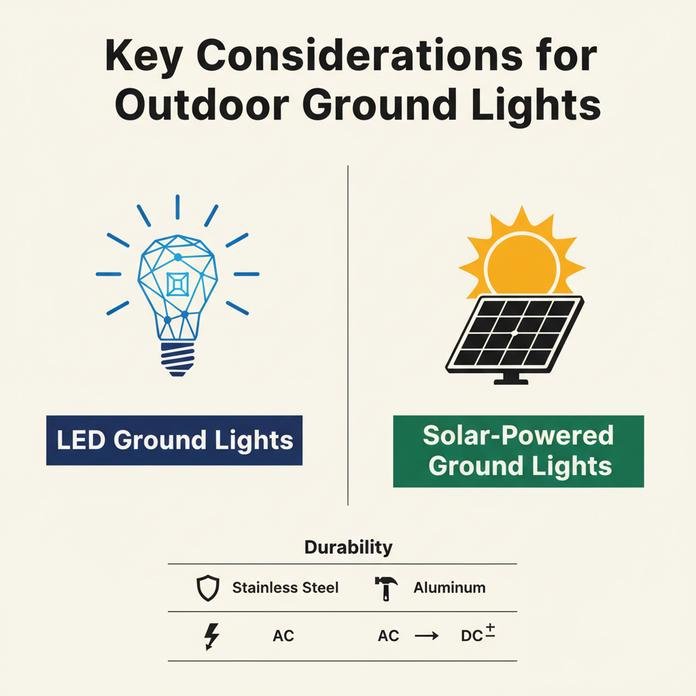
Choosing the Right Lighting Technology: LED vs. Solar-powered Ground Lights
- LED ground lights are known for their high energy efficiency and long life span—great if you want low maintenance.
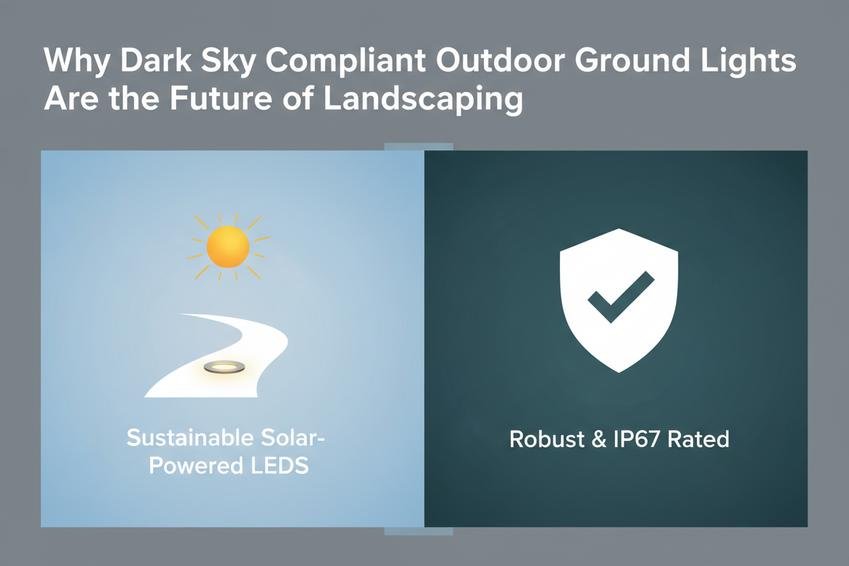
- Solar-powered ground lights are ideal for off-grid areas or eco-conscious users since they draw power from sunlight.
- LEDs provide consistent brightness even in low temperatures, while solar units may dim on cloudy days.
- For areas with lots of foot traffic or where wiring is tough, solar options shine with easy installation.
- If you’re lighting up commercial paths or driveways, go LED for brightness and reliability.
Both types of ground light tech have their perks—it’s all about matching them to your outdoor needs.
The Role of Material and Durability: Stainless Steel vs. Aluminum Ground Lights
Grouped by performance traits:
Stainless Steel Lights • Excellent corrosion resistance, especially near coastal zones
• Heavier build adds to long-term durability under harsh conditions
• Retains finish longer without yellowing or tarnishing
Aluminum Lights • Lightweight and easier to install in bulk setups like large gardens
• Offers good heat dissipation—important for high-output LEDs
• Often treated with powder coatings to boost UV stability
If your backyard battles salty air or unpredictable weather, go stainless steel; otherwise, aluminum offers a solid balance between weight and strength.
Power Options: AC Powered vs. DC Powered Ground Lights
Here’s how these two stack up:
- AC-powered outdoor lights plug into your home’s electrical system—perfect when you need steady illumination all night long.
- They’re great for larger properties where lighting systems are already hardwired.
- On the flip side, DC-powered ground lights, often solar-fed or battery-based, are safer around wet areas due to lower voltage risk.
- DC systems also use less electricity overall—ideal for those looking to cut down energy bills.
So if you’re after power consistency, AC wins; but if safety and efficiency matter more, DC might be your jam.
Installation Types: Recessed vs. In-ground Uplights
Recessed fixtures? Sleek as heck—they sit flush with walkways so no one trips over them.
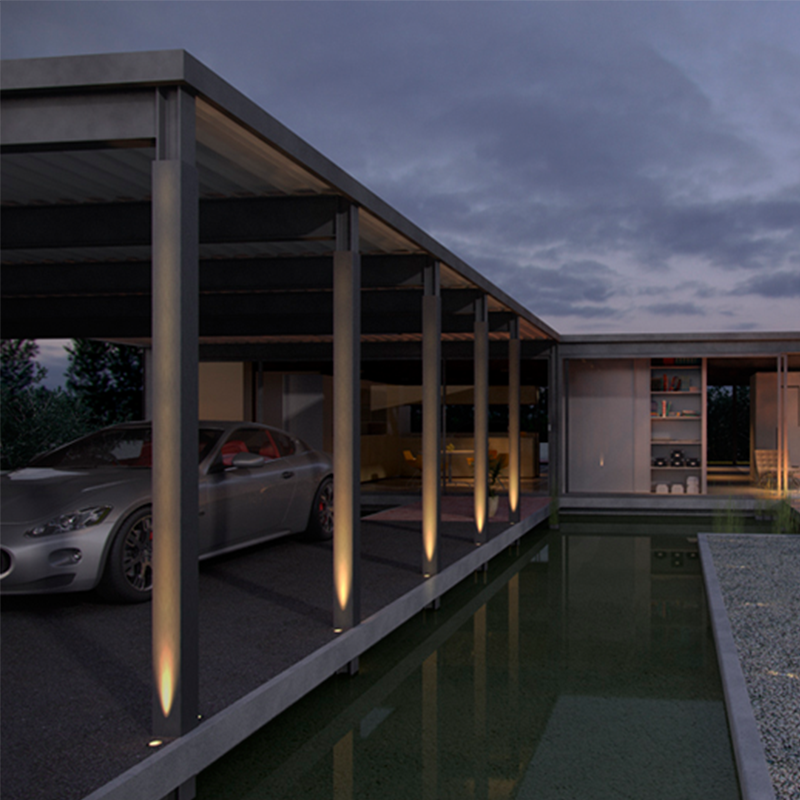
In-ground uplights? They’re made to throw light upwards onto trees or walls—super dramatic effect at night.
Each type serves a purpose:
- Use recessed options along driveways or pool decks where minimal obstruction matters.
- Go with uplights when you want to highlight architecture or landscape features like statues and shrubs.
Choosing between them really depends on what vibe you’re going for—and how much foot traffic that area gets.
Anti-Glare Outdoor Ground Lights: Top Brands Reviewed
Get straight to the point—these brands and smart picks make your outdoor ground lights pop without blinding anyone.
Leading Brands for Anti-Glare LED Ground Lights
When it comes to anti-glare setups, a few names stand out like champs. These brands combine design smarts with serious tech:
- Philips – Known for its precision luminaire design, Philips offers models with tight beam angles, cutting down stray glare beautifully.
- Osram – Their LEDs are engineered with top-tier optical control, making them ideal for reducing light pollution in residential zones.
- Kichler – A go-to for stylish but functional lights, especially those using recessed or hooded designs that boost visual comfort.
- FX Luminaire – A favorite among landscape pros thanks to their strong focus on minimizing UGR ratings and enhancing pathway visibility.
- Hunza – Built tough, these units feature high-grade materials that resist weathering while incorporating precise shielding against glare.
- WAC Lighting – Their fixtures often include adjustable optics and integrated louvers for better light direction and less eye strain.
- MG Lighting – This brand’s latest line nails both form and function, offering sleek anti-glare options with standout energy efficiency.
According to a recent LUX Research survey (2024 Q2), over 68% of homeowners cited “glare-free illumination” as their top priority when choosing new outdoor lighting systems.
The Best Smart Ground Lights with Anti-Glare Features
Smart + subtle = perfect combo. These picks bring brains and beauty to your outdoor setup without frying your retinas.
• Start with models that feature wireless dimming controls. When paired with anti-glare lenses or directional shielding, you get total command over intensity and spread.
• Look for smart ground lights supporting voice assistants—they let you tweak brightness levels or adjust timers hands-free.
• Choose systems that allow zoning by area; this helps avoid unnecessary brightness spillover into non-target areas like windows or driveways.
A good example? Smart fixtures from WAC Lighting use asymmetric beam patterns plus frosted diffusers—together they crush both glare and wasted energy output. Combine that with IP66 ratings and you’ve got durability plus eye-friendly performance baked right in.
From patios to pathways, these smart options make sure your lighting works hard without working against your eyes.
FAQs about Outdoor Ground Lights
1. Why are Anti-Glare Outdoor Ground Lights valued for modern installations?
Soft-toned anti-glare ground lights calm harsh brightness and improve nighttime visibility across open grounds.
- Help minimize reflection issues near glass façades or water surfaces
- Common in pathway ground lights and driveway ground lights for eye comfort
- Often designed as recessed ground lights or walk-over units with controlled beam angle options
2. How does LED technology shape the efficiency of outdoor lighting designs?
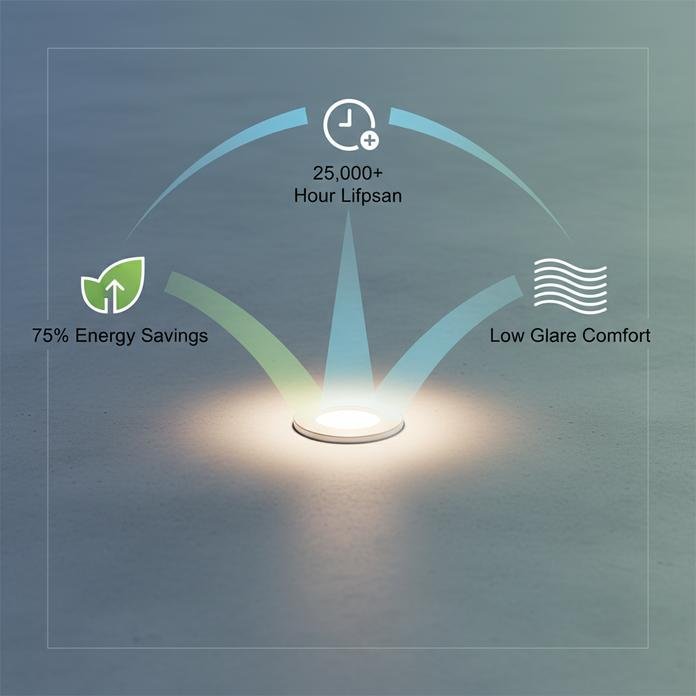
LED ground lights embody long life, low heat, and sharp uniform beams that redefine outdoor atmosphere settings.
| Feature Type | Benefit Description |
|---|---|
| Power Balance | Delivers brightness equal to halogen yet consumes lower wattage |
| Control System | Supports smart ground lighting setups via wireless interfaces or timers |
| Flexibility | Compatible with dimmable and color-changing configurations |
Result: longer lifespan, fewer replacements—perfect for architectural or garden zones demanding longevity.
3. Which materials ensure maximum durability in professional-grade fixtures?
Durability tells its own story: weatherproof finishes meet artistry in design.
• Stainless steel ground lights → corrosion-resistant choice ideal for coastal air exposure
• Aluminum ground lights → lighter option balancing strength with cost control
• Bronze fittings → classic appeal when used around heritage buildings or decorative decking spaces
Together they pair best with IP67 rated housings and IK rated protection against accidental impacts from vehicles on driveways.
4. Are Solar-powered Ground Lights dependable for extensive landscapes?
Solar-powered models sip daylight to deliver subtle radiance come evening—simple setup yet full aesthetic payoff.
1) No trench wiring is needed, cutting installation time drastically
2) Low voltage operation keeps them safe along public space pathways
3) Perfect blend of sustainability for parks using weatherproof panels paired with energy-efficient batteries
Their understated reliability enhances large plazas where constant power lines may not reach easily.
5. What safety aspects distinguish premium AC powered versus DC powered systems?
Safety begins beneath the surface—steady flow defines consistent brilliance outdoors.
- AC powered ground lights: excellent uniformity over large sections such as hotel entrances; works seamlessly through daisy-chainable networks tied to power supply units.
- DC powered alternatives: energy-thrifty performers admired near garden borders, compatible with low voltage circuits beside water features.
Both remain reliable when CE certified or UL listed; both find trust where security meets charm under soft light paths by nightfall.