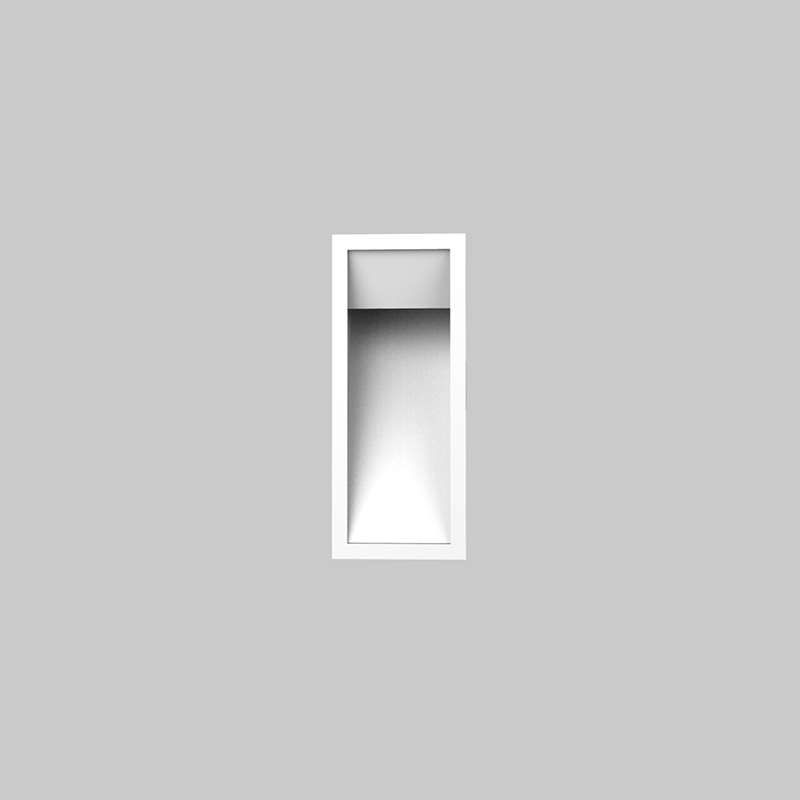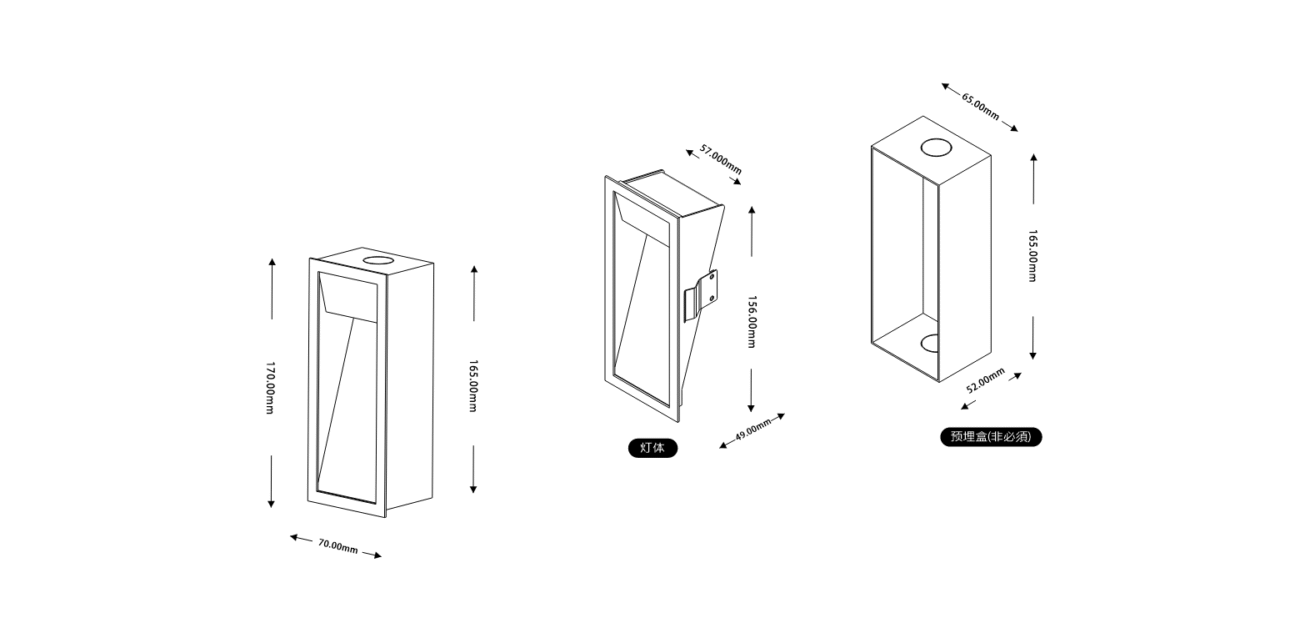

If you’re dealing with a dark stairway, the best solution is to install outdoor solar step lights. You need to see every step clearly, especially after the sun goes down. Good lighting on your outdoor stairs isn’t just about convenience—it’s a major safety feature. In fact, poor lighting is responsible for about 20% of falls on stairs, so getting it right is a big deal.
- Outdoor solar step lights are super easy to install yourself.
- They run on sunlight, which saves you money and energy right from the start.
Just check out how much you could save over a decade:
|
Cost Type |
Solar Street Lights |
Traditional Street Lights |
|---|---|---|
|
Upfront Cost |
$6,500 |
$55,000 |
|
Operational Cost |
$2,000 |
$25,120 |
|
Total (10 Years) |
$8,500 |
$80,120 |
With a simple DIY project, you can make your stairs much safer and brighter.
Key Takeaways
- Outdoor solar step lights boost stair safety by illuminating each step, helping to prevent trips and falls in the dark.
- You can install them yourself—no need to hire an electrician. It’s a job you can often finish in a single afternoon.
- Solar lights cut down on your electricity bill since they cost less to run than traditional wired lights.
- For the best results, choose lights that are 100-300 lumens bright and have an IP65 weatherproof rating.
- Keep your lights shining bright by cleaning the solar panels regularly and checking the batteries.
Why Choose Outdoor Solar Step Lights?

Safety and Visibility Benefits
You want to feel safe every time you head up or down your stairs, especially after the sun goes down. Outdoor solar step lights make a huge difference for both safety and visibility. When you add step lighting to your outdoor stairs, you cut down on shadows and can see each step clearly. This helps you avoid slips and falls, even when it’s wet or totally dark.
- These lights turn on automatically at dusk, so you never have to remember to flip a switch.
- Multi-angle lighting shines right on the edges of each step, making it easy to spot any changes in height.
- Waterproof designs keep everything working, even during rain or snow.
- Some models use motion sensors, so the lights get brighter when you walk by, saving energy and giving you an extra safety boost after dark.
Good step lighting does more than just keep you safe. It also adds a nice look to your outdoor space without being too bright or harsh. You get both style and real peace of mind.
Tip: Proper lighting for steps is crucial for safety. Unlit or poorly lit stairs can be dangerous, especially when it’s hard to see.
How Do Solar Step Lights Work?
Outdoor solar step lights use some pretty smart tech to keep your stairs bright all night. Here’s the simple breakdown:
- A small solar panel on each light soaks up sunlight during the day.
- Special cells inside the panel convert that sunlight into electricity.
- That electricity charges up a battery tucked inside the light.
- When it gets dark, a light sensor tells the unit to switch on, using the stored battery power.
- An efficient LED bulb then lights up your stairs until morning.
- The whole system shuts off at dawn and starts recharging all over again.
The best part? You don’t need to run any wires or hire an electrician. Outdoor solar step lights are super energy-efficient because they run on sunlight instead of your home’s electricity. That means you save money on your bills and do a little something for the planet. You also skip the high installation costs and any ongoing electricity charges.
In the end, with outdoor solar step lights, you get reliable step lighting, much better safety and visibility, and a simple, hassle-free way to brighten up your outdoors.
Light Outdoor Stairs: Options Compared

Solar vs. Wired Step Lights
When you’re looking to light up your outdoor stairs, you’ve got a couple of popular options: solar step lights and wired step lights. Solar lights are a breeze to install. There’s no need to run wires or hire an electrician. You simply place them in a sunny spot during the day so the battery can charge, keeping your stairs illuminated at night. For the best effect, install them low to the ground to shine directly on each step. A lot of solar step lights even offer different lighting modes, letting you save battery or crank up the brightness when you need it.
Wired step lights, on the other hand, involve more work. They have to be connected to your home’s electrical system, which might mean drilling holes and hiding wires. While they provide steady power, they cost more upfront to install and use more energy. If you want a quick and simple project, solar step lights are definitely the way to go.
Tip: Solar step lights are perfect for DIYers. You can often finish the whole job in one afternoon.
LED Step Lights Overview
LED step lights are a brilliant choice for lighting outdoor stairs. They use long-lasting, energy-efficient LED bulbs. You can get them in both solar and wired versions. LED outdoor lights give off a bright, clear light without getting hot, and they come in tons of styles to match your home’s look. They’re also easy to clean and require very little maintenance, so you can count on them to perform well, rain or shine.
- LED step lights save you money on your power bill.
- They’re a safe option around kids and pets.
- Don’t limit them to just stairs—you can use LED outdoor lights on decks, patios, and walkways, too.
Motion Sensor Lights
Motion sensor lights add a serious boost to your stair safety. They turn on automatically when you walk by, so you never have to fumble for a switch in the dark. This helps you see every step clearly, reducing the chance of a trip or fall. They’re especially handy on nights when you’re coming home with your hands full. Since motion sensor lights only use energy when they’re activated, they help you save. They safely guide you and your family, even on the darkest or iciest steps. For a combo of convenience and security, motion sensor LED outdoor lights are a smart outdoor pick.
Choosing Solar Step Lights

Installing Outdoor Solar Step Lights

Key Features to Consider
Choosing the right outdoor solar step lights is all about safety and visibility. Aim for a brightness between 100 and 300 lumens—it’s enough to see each step clearly without being blinding. Don’t forget to check the weatherproof rating; an IP65 or higher will protect your lights from rain, snow, and dust. Battery life is another big one. A reliable battery is what keeps your porch steps illuminated from dusk till dawn.
Here’s a quick table to help you compare features:
|
Feature |
Description |
|---|---|
|
Brightness Level |
100-300 lumens for clear, safe steps |
|
Durability |
IP65 rating for dust and water resistance |
|
Energy Efficiency |
LED options use up to 75% less energy than old bulbs |
|
Weatherproof Rating |
IP65 or higher for tough outdoor conditions |
|
Anti-Slip Designs |
Prevents the fixture from becoming a hazard on stairs |
|
Proper Height/Placement |
Install 2-4 inches above ground to avoid tripping |
Tip: Go for LED lights made with UV-resistant materials. For the best outdoor performance, make sure they can handle temps from -20°F to 140°F.
Placement and Spacing Tips
You want your stairs to be both safe and stylish. A good rule of thumb is to place a solar light every two or three steps, which works for most staircases. Install them about 2 to 4 inches above the ground. This angle lights up the step surface best and minimizes tripping hazards. Just be sure your chosen spots get at least six hours of direct sun daily. If an area’s shady, double-check the sunlight before you commit.
- Space lights every 2-3 steps for even coverage.
- Mounting them low to the ground gives the best results.
- Avoid shaded spots to maximize solar charging.
Note: Direct sunlight is key for a full charge, which keeps your LED lights shining bright all night long.
Budget and Durability
The good news is, you don’t have to break the bank for quality stair lighting. Most durable solar step lights run between $30 and $60. Look for models built from tough stuff like aluminum, stainless steel, or high-grade plastics—these materials resist rust and wear, so your lights last. High-quality LED bulbs provide consistent brightness and have a longer lifespan, too. Investing in sturdy materials from the start saves you money on repairs and replacements down the line.
|
Material Type |
Properties |
Impact on Durability and Lifespan |
|---|---|---|
|
Housing Material |
Aluminum, stainless steel, high-grade plastics |
Strong, corrosion-resistant, withstands impacts |
|
Solar Panels |
High-quality photovoltaic cells |
Efficient charging, resists environmental wear |
|
LEDs |
High-quality, long-lasting |
Consistent illumination, longer lifespan |
Callout: Choosing outdoor solar step lights with robust materials and reliable LED bulbs means you’ll have dependable lighting for your porch steps and stairs for years to come.
Planning Your Outdoor Solar Step Light Layout
You want your outdoor solar step lights to look good and function perfectly. A great place to start is by simply walking up and down your stairs during daylight hours. Pay attention to where the shadows land and which steps seem the darkest—those are the spots that’ll need the most illumination. Grab a tape measure to space your lights evenly; most folks find that placing one every two or three steps works well. It keeps the path bright without making it feel cluttered.
Don’t forget to think about sunlight, because those solar panels need a solid six hours of direct sun each day. Look out for trees, fences, or roof overhangs that could cast shade. If a spot looks too shady, just move your planned location to a sunnier area. Using a level can help you get a straight line, especially if you’re mounting lights on a wall. Before you start sticking anything down, wipe the area clean with a cloth. Dust and dirt can prevent the lights from adhering properly or charging efficiently.
Here’s a quick checklist to keep your planning on track:
- Walk your stairs and identify the dark areas.
- Measure and mark where each light will go.
- Check for adequate sunlight at each marked spot.
- Always clean the surface before installation.
Tip: Taking a little extra time to plan makes the installation quicker and the final results much better.

How to Install Outdoor Solar Step Lights
You don’t have to be a pro to get your outdoor solar step lights up and running. Most kits come with everything you’ll need. Here’s a straightforward guide to get you started.
Step-by-Step Installation Guide
-
Choose the Right Location: Pick spots that get plenty of sun during the day. This makes your stairs safer and brighter at night.
-
Prepare the Surface: Give each step or wall a quick wipe with a clean cloth. Use a measuring tape to mark where each light will go. If you want everything perfectly lined up, a level tool comes in handy.
-
Install the Lights: Just follow the instructions in your kit. Some lights use screws, while others come with adhesive pads or stakes. You’ll probably need a screwdriver if you’re attaching them to a wall or deck.
-
Adjust the Solar Panel Angle: Tilt the solar panel so it’s facing the sun. This helps the battery charge faster and keeps your LED lights shining bright all night long.
-
Test the Lights: Wait until it gets dark, or just cover the solar panel to see if the lights turn on. You can adjust their position if you need to.
-
Final Check: Take a walk up and down your stairs to make sure every step is well-lit. Move any lights that seem too dim or too bright.
What You’ll Need for the Job
- Outdoor solar step lights (pick a style you love)
- Measuring tape
- Screwdriver
- Cleaning cloth or rag
- Level tool (this one’s optional)
Quick Tip: Don’t forget to check the mounting hardware. Strong screws and weatherproof materials are key to making your lights last.
Common Mistakes to Avoid
- Putting lights in shady spots or behind things that block the sun.
- Spacing your lights too far apart or cramming them too close together.
- Forgetting to clean the solar panels before and after you install them.
- Using flimsy mounting hardware that can’t stand up to wind or rain.
If your LED lights aren’t charging well, look for new obstructions like overgrown branches or a new fence. Give the solar panel a gentle clean with a damp cloth and some mild soap. If the light’s still looking dim, you might need to swap out the battery or give the cover a good polish.
You want your outdoor solar step lights to shine for years, right? A little regular care is all it takes to keep them bright and dependable. Here are some simple maintenance tips to follow:
- Clean the solar panels about once a month. Dust and dirt can block the sun and leave your LED lights looking dim.
- Check the battery every year for any leaks or corrosion. For the best performance, plan on replacing it every five years or so.
- After a big storm, take a quick look at the fixtures to make sure they’re still straight and secure.
- If an LED bulb starts flickering, swap it out right away.
- Don’t forget to check the mounts and screws every now and then, and tighten them up if they feel loose.
If your lights stop working or seem dim, don’t worry. Try these troubleshooting steps first:
- Wipe down the solar panel with a soft, damp cloth.
- Make sure nothing’s blocking the sun from hitting the panel between 10 AM and 2 PM.
- Check how old the battery is and replace it if it’s been a while.
- Look at the light covers. If they’re cloudy or yellowed, they might be blocking the light and need replacing.
A little care goes a long way. Clean panels and fresh batteries keep your stairs safe and bright all year long.
Stick with these steps, and you’ll enjoy that easy installation and long-lasting lighting for your outdoor stairs.
Lighting up your stairs is a breeze with outdoor solar step lights. Just pick the right lights, find a sunny spot, and install them where you need light the most. They’re a great way to boost safety, help you see each step clearly, and save on energy. Most folks find the setup super simple, and the lights hold up well, even in bad weather.
Enjoy safer, brighter steps and add a nice touch of style to your outdoor space!
FAQ
How long do solar step lights last at night?
With a full day of sun, most solar step lights will shine for 8 to 12 hours at night. Place them in a good sunny spot, and you should have light all evening.
Can I use solar step lights in winter?
Absolutely! Just remember to brush off any snow or leaves from the panels. They might not run as long on really cloudy days, but they’ll still work for you.
Do I need to turn solar step lights on and off?
Nope, they’re completely automatic. The lights turn themselves on at dusk and off at dawn, so you can just set them and forget them.
What if my solar step lights stop working?
First, try giving the solar panel a good clean. Make sure there’s nothing blocking the sun, like leaves or dirt. If your solar step lights still aren’t working, it’s probably time to swap out the battery for a new one.