Rain, frost, and chaos—see which outdoor ground lights material laughs at the weather while saving you headaches on bulk orders.
Rain slaps sideways, frost bites hard, and still—you expect your outdoor ground lights to shine like they just clocked in. But not all materials are cut from the same cloth. Stainless steel? Tough as nails. Aluminum? Light on its feet but needs a bit more TLC when storms roll through.
This isn’t about looks—it’s about who shows up for work year after year without flaking out (literally). One scratches easier. One rusts quicker if you forget the coatings. For property managers juggling budgets and aesthetics, choosing wrong means swapping fixtures mid-contract or fielding angry calls when paths go dark.
Buyers these days want resilience without babysitting it—something that survives backyard BBQs, coastal salt spray, and twenty-year HOA plans without blinking an LED. So which material actually delivers? Keep your boots on—we’re heading straight into the grit of it.
Key Points for Choosing Outdoor Ground Lights
➔ Material Consideration: Stainless steel provides superior corrosion resistance, making it ideal for harsh environments, while aluminum is lighter and easier to install but may require more maintenance.
➔ Cost Analysis: Stainless steel typically has higher upfront costs, but its longevity may offer better value over time compared to aluminum.
➔ Aesthetic Appeal: Stainless steel offers a sleek, modern look, whereas aluminum provides versatility in design, accommodating various styles.
➔ Installation & Maintenance: Aluminum’s lightweight nature simplifies installation, making it a practical choice for large projects, while stainless steel’s durability translates into low long-term upkeep.
➔ Weatherproofing Importance: Understanding IP ratings and implementing proper weatherproofing practices will enhance the longevity of outdoor ground lights, regardless of material.
Stainless Steel Vs. Aluminum: Which Material Endures Better Outdoors?
Tough call between stainless and aluminum? Let’s break it down for your outdoor ground lights setup.

Corrosion Resistance: How Stainless Steel Stands Against the Elements
- Stainless steel thrives in salty air and rainy climates thanks to its natural passivation layer.
- That high chromium content helps it fight off oxidation, even in harsh coastal zones.
- It shrugs off pitting, keeping your lights looking sharp year after year.
You’ll notice that aluminum, while decent, starts to struggle when exposed to aggressive elements like chlorides found near pools or oceans. In contrast, stainless steel handles both urban grime and marine exposure with grace—making it a solid pick for long-term durability in any outdoor zone.
Weight Comparison: Is Aluminum’s Lightweight Advantage Worth It?
• Aluminum wins hands down on the scale—its lower density makes it super easy to lift, mount, and shift around.
• Less weight means reduced structural pressure on decking or soft soil installations. Your back—and your installer—will thank you.
• For mobile setups or temporary displays of ground-mounted fixtures, this lighter material is a smart call.
That said, don’t count out stainless steel just yet. Its higher mass can offer better stability in windy areas. When you’re choosing materials for your next batch of outdoor lighting units, think about how much movement they’ll endure and how often you’ll be relocating them.
Aesthetic Appeal: Visual Impact of Stainless Steel vs. Aluminum
– Want that clean-cut look? Go with stainless—it nails the polished vibe with its naturally sleek finish.
– Prefer flexibility? Aluminum can rock a range of colors and surface treatments like brushed, matte, or even powder-coated tones that match different landscaping styles.
– Over time, aluminum may develop a light patina if untreated—but some folks dig that rustic charm.
Whether you want modern minimalism or something more earthy for your garden path lights or patio spots, both metals bring their own flavor. Just know that stainless holds its shine longer without much fuss—great if you’re chasing low-maintenance elegance around your outdoor space.
Long-Term Cost Analysis: Is One Material More Budget-Friendly?
- Upfront cost: Stainless often comes at a premium due to its superior strength and corrosion resistance.
- Maintenance matters: Fewer repairs over time mean fewer headaches—and less cash out the door.
- Lifespan wins: With proper care, stainless fixtures can last decades outdoors without fading or rusting.
- Value retention: While aluminum may need replacing sooner due to wear from weathering or denting, stainless holds up better under rough conditions—especially near water features or walkways with heavy foot traffic.
If you’re thinking long game for your landscape lighting investment, especially where multiple outdoor ground lights are involved across large properties, then stainless might just pay itself off over time—even if aluminum looks cheaper upfront.
MG Lighting offers both options tailored for real-world use cases—from rugged coastal installs to delicate garden paths—so you can pick what fits your vision (and budget) best.
Pros And Cons Of Stainless Steel In Outdoor Ground Lights
Stainless steel adds more than just shine to your yard. Here’s how it stacks up when used in outdoor ground lights.

Durability in Harsh Conditions: The Stainless Steel Advantage
Stainless steel doesn’t just survive the elements—it thrives in them.
- Corrosion resistance keeps it looking new even after years of rain or snow.
- Built-in rust prevention means less maintenance, especially near coastal areas.
- High material strength makes it ideal for high-foot traffic zones like driveways or public parks.
- Its solid weather resistance lets it handle freeze-thaw cycles without warping or cracking.
So whether you’re lighting a backyard path or a commercial courtyard, stainless steel holds its ground—literally.
Design Versatility: How Stainless Steel Complements Various Light Styles
Sleek, timeless, and neutral—stainless steel plays nice with almost every design style out there.
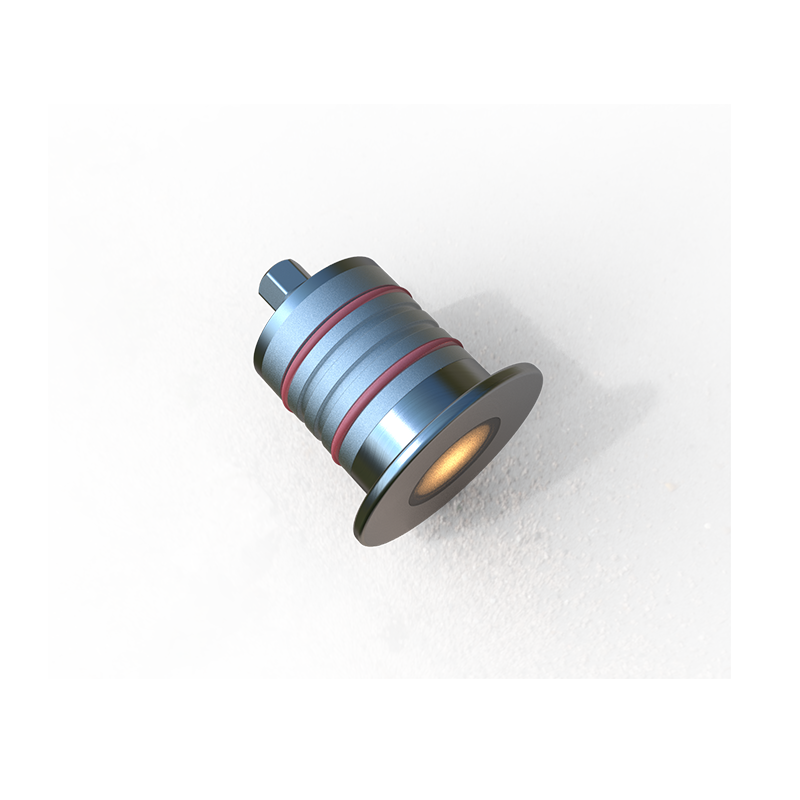
• It brings a clean, contemporary look to recessed lighting around patios.
• For uplighting trees or sculptures, its sleek finish blends without distraction.
• When paired with glass lenses and LEDs, the result is ultra-modern architectural lighting that looks custom-built.
Want something more traditional? No problem—its subtle tones also work beautifully with rustic stone paths and vintage-inspired lanterns thanks to its natural design flexibility.
Energy Efficiency: Do Stainless Steel Lights Offer Better Performance?
Here’s where things get interesting—stainless steel can actually help you save on energy bills over time.
- Its high surface reflectivity boosts overall light output, so fewer lumens are needed per fixture.
- Better heat dissipation helps maintain optimal temperatures for long-lasting LED performance.
- Lower internal temps mean improved operational stability and reduced energy draw over time.
So while stainless might cost a bit more upfront, the payoff comes through better light spread and lower long-term power usage—a win-win if you’re upgrading your entire set of outdoor ground lights!
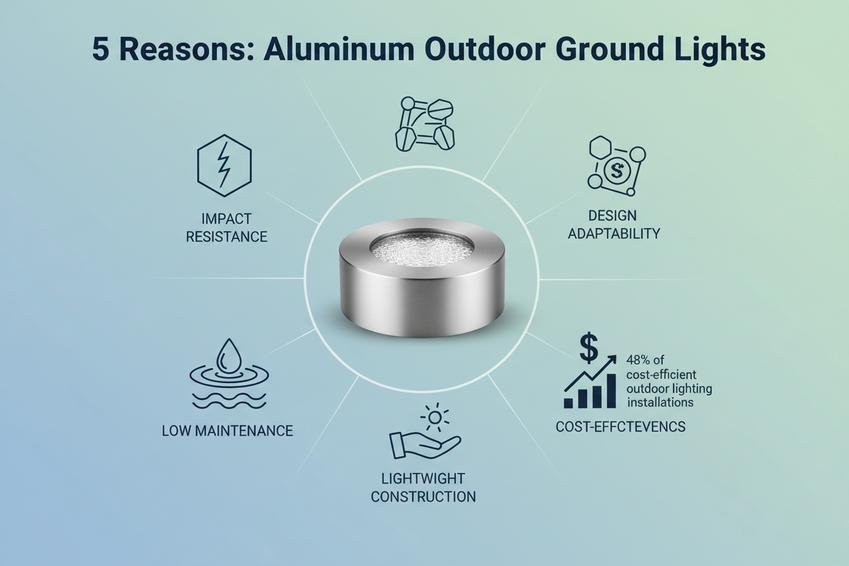
Five Reasons To Choose Aluminum For Outdoor Ground Lights
Aluminum is changing the game when it comes to installing and maintaining outdoor ground lights. Here’s why it’s a solid pick.
Low Maintenance: The Ease of Caring for Aluminum Lights
Keeping your outdoor ground lights looking sharp shouldn’t feel like a full-time job. With aluminum, it doesn’t.
- Corrosion resistance means no rust creeping up after every rainstorm.
- A quick wipe-down removes most dirt — no special tools needed.
- Its natural durability makes it less likely to degrade under sun or snow.
In high-footfall spaces like walkways and plazas, this low-effort upkeep is more than just convenient — it’s essential. Less maintenance equals fewer headaches.
Lightweight Construction: Benefits of Easy Installation
Installing lighting shouldn’t feel like lifting weights at the gym. That’s where aluminum’s lightweight nature shines.
- Easier handling reduces risk during installation.
- Quicker mounting saves time on large-scale setups.
- Lower labor costs — crews can move faster with less fatigue.
For commercial projects, this translates to smoother rollouts and fewer delays when setting up new ground lights outdoors or upgrading old ones.
Cost-Effectiveness: Budget-Friendly Options in Aluminum Lighting
Here’s where things get real practical — your wallet will thank you for choosing aluminum fixtures for your exterior ground lighting needs.
💡 It’s affordable without feeling cheap
💡 Great value per unit compared to stainless steel
💡 Long-term savings from reduced maintenance and replacements
According to Statista’s Q2 Lighting Materials Report (2024), aluminum-based components accounted for over “48% of cost-efficient outdoor lighting installations” across North America — not surprising given their mix of performance and price point.
Adaptability in Design: Using Aluminum for Unique Light Styles
Aluminum isn’t just practical; it’s also incredibly flexible when you want something custom-looking for your landscape path lights, bollards, or RGB setups.
Modern
— Sleek finishes pair well with minimalist architecture
Vintage
— Powder-coated colors mimic wrought iron but without the weight
Custom Shapes
— Molded into rings, strips, domes… you name it
Whether you’re illuminating garden paths or event venues, this kind of design freedom opens doors that other materials simply don’t unlock.
Impact Resistance: Strength of Die-Cast Aluminum Against Damage
Die-cast aluminum brings serious toughness to the table — perfect if your ground-mounted lights have to survive foot traffic, stray shopping carts, or even wayward scooters.
Grouped Benefits:
• High-grade impact resistance helps prevent dents and cracks
• Superior strength-to-weight ratio keeps fixtures stable but light
• Performs well under harsh environmental stress like hail or freeze-thaw cycles
And here’s some hard data:
| Property | Die-Cast Aluminum | Stainless Steel | Plastic |
|---|---|---|---|
| Weight (kg/m³) | ~2700 | ~8000 | ~950 |
| Impact Resistance Rating | High | Very High | Low |
| Corrosion Resistance | Moderate–High | Very High | Low |
That balance between strength and practicality makes die-cast aluminum ideal for high-use zones like parking lots or public parks where durability isn’t optional — it’s mandatory.
Performance Comparison: Stainless Steel And Aluminum Ground Lights
Check out how stainless steel and aluminum stack up when used in outdoor ground lights—especially under heat and weather stress.
Ambient Temperature Effects: How Both Materials Handle Heat
- Stainless steel has lower thermal conductivity, meaning it doesn’t transfer heat as quickly—great when you want your light fixture to stay cool on hot days.
- On the flip side, aluminum disperses heat faster, which can help avoid internal overheating but might also mean quicker wear if temperatures swing wildly.
Now, here’s where it gets interesting:
• In colder climates, aluminum contracts more due to higher thermal expansion, leading to potential seal issues over time.
• Stainless steel resists temperature-driven warping better, boosting long-term fixture shape and function.
According to a 2024 report by the International Association of Lighting Engineers, “Fixtures built with stainless steel show 27% less performance degradation after five years in variable climates compared to aluminum counterparts.” That’s not minor—it’s a durability gamechanger.
So while both materials make solid picks for different reasons, if you’re dealing with extreme temps often, stainless might just edge out the win thanks to its superior material durability and minimal heat-related degradation.
Light Output Consistency: Comparing Performance Under Various Conditions
Let’s break this down into bite-sized pieces:
• Brightness consistency? Both materials hold their own under normal wear—but only one wins when things get rough.
• In humid or coastal zones, aluminum fixtures may suffer faster lumen depreciation, especially if protective coatings erode over time.
- Stainless steel fixtures tend to maintain more stable brightness levels even after years of exposure—thanks largely to their resistance against corrosion and moisture infiltration.
- When it comes to high UV environments or wind-exposed installations, both materials perform fairly well—but again, stainless holds its shine longer without fading.
- On the other hand, aluminum is lighter and easier to install on uneven terrain or soft soil setups—a big plus during large-scale outdoor installs using multiple ground lights.
Bottom line? If you’re chasing long-term performance stability, especially where weathering is unpredictable, stainless gives you that extra layer of reliability in your outdoor lighting setup.
Whether you’re lining walkways or spotlighting garden beds with your favorite set of segmented outdoor ground lights, knowing how each material behaves ensures your investment lasts—and shines—longer.
Weatherproofing Solutions For Aluminum Ground Lights
A quick guide to keeping your outdoor ground lights tough, weather-ready, and long-lasting no matter what Mother Nature throws their way.

Understanding IP Ratings: What IP65 and IP67 Mean for Lighting
• IP ratings are like armor grades for your lights. They tell you how well your fixtures can handle dust and water without throwing a fit.
• An IP65 rating means your light is totally protected from dust and can survive low-pressure water jets—think rain or splashing from sprinklers.
• Bump it up to IP67, and now you’re looking at full-on waterproofing. These lights can be submerged in up to 1 meter of water for 30 minutes—great if you’re dealing with flood-prone zones or heavy storms.
Both ratings keep your outdoor lighting game strong, but if your space is near pools or exposed to monsoon-like conditions, go with the higher number every time.
Best Weatherproofing Practices: Ensuring Longevity in Outdoor Settings
You wouldn’t leave your phone out in the rain, right? Same goes for aluminum ground lights. Here’s how to keep them kicking:
- Use silicone-based gaskets around joints—these help maintain tight seals.
- Apply UV-resistant powder coatings on the housing; they fight off corrosion.
- Raise the fixture slightly above soil level or use gravel beds underneath—this promotes drainage.
- Choose marine-grade aluminum if you’re near salty coastal air—it resists rust better than standard alloys.
- Regularly check connections and clean debris buildup around fixtures.
According to a Q2 2024 outdoor lighting study by GlobalSpec Insights, “Preventative sealing and smart material selection increase fixture lifespan by over 38% in high-humidity regions.”
Impact of Power Sources: Which Options Offer Better Weather Resistance?
Power source matters more than most folks think when it comes to keeping those sleek little ground lights alive through storms, snow, or heatwaves.
| Power Source | Water Resistance | Maintenance Level | Lifespan Impact |
|---|---|---|---|
| Solar-powered | High | Low | Moderate |
| Low-voltage | Medium | Moderate | High |
| Hardwired (120V) | Low | High | Variable |
☑️ Solar options are great where wiring is impractical—they’re sealed tight and self-contained, so there’s less chance moisture sneaks in through cables or connectors.
☑️ Low-voltage systems strike a balance between efficiency and safety—they work well with buried cabling that’s shielded against moisture intrusion.
☑️ Standard hardwired setups? They need serious care—moisture gets into poorly sealed junction boxes fast unless you’ve got pro-level installation.
When choosing power sources for your outdoor ground lighting, consider not just convenience but how each option handles exposure over time.
Realistic Expectations: Lifespan Of Stainless Steel Vs. Aluminum
Knowing how long your outdoor ground lights will last isn’t just smart—it’s essential for saving money and avoiding constant replacements.

Real-World Performance: Lifespan of Stainless Steel Under Outdoor Use
• Stainless steel thrives outdoors thanks to its strong resistance to rust and corrosion.
• In coastal regions, marine-grade alloys like 316 stainless hold up even under salty air.
• Regular cleaning helps extend the material’s lifespan by reducing surface buildup that can trap moisture.
Expect a well-made stainless fixture to last over a decade—sometimes more—especially when it’s shielded from direct soil contact and gets occasional TLC.
Long-Term Testing: Insights from Aluminum Ground Lighting Studies
Grouped Observations:
- Aluminum fixtures treated with powder coating show improved resistance against pitting and oxidation.
- Alloy type matters—6061 aluminum outperforms cheaper blends when it comes to outdoor longevity.
- Heat dissipation is better with aluminum, keeping internal components cooler during summer months.
- Proper sealing around wiring ports greatly reduces moisture intrusion—a key failure point for many lights.
Data Snapshot:
| Material Type | Avg Lifespan | Corrosion Resistance | Maintenance Needs |
|---|---|---|---|
| Bare Aluminum | ~5 years | Moderate | High |
| Coated Aluminum | ~8 years | High | Medium |
| Stainless Steel | ~12+ years | Very High | Low |
This kind of long-term testing shows that while aluminum can go the distance, it needs the right finish and placement strategy.
Environmental Impact: How Weather Conditions Affect Material Durability
Rainy seasons, blazing sun, freezing nights—all these beat down on your lights day after day. But not all materials react the same:
• In humid or coastal climates, stainless steel resists corrosion far better than untreated metals.
• UV rays degrade plastic housings faster than metal ones, but both aluminum and stainless reflect heat differently—aluminum cools quicker but oxidizes faster without coating.
• Freeze-thaw cycles cause expansion stress; metal housings with flexible gaskets handle this best.
Bottom line? Climate plays a huge role—knowing your zone helps pick smarter materials for your outdoor lighting game plan.
Replacement Considerations: When to Replace Your Ground Lights
Short Signals: – Flickering or dim light output often means internal moisture damage or LED driver failure.
– Surface rust on stainless is usually cosmetic—but deep pitting or bubbling indicates serious corrosion underneath.
– Cracks around seals on aluminum fixtures suggest water ingress; time for a swap-out before things short-circuit.
Don’t wait until they stop working completely—replace worn-out units early to keep your yard safe and stylish year-round.
Whether you’ve got sleek stainless bollards or discreet aluminum path markers, staying ahead of wear keeps those nighttime vibes shining bright across all your favorite garden paths and patios.
FAQs about Outdoor Ground Lights
What advantages do stainless steel fixtures bring to outdoor ground lighting?
- Stainless steel offers corrosion resistance suited for garden pathways or coastal building facades.
- It keeps a clean, mirror-like appearance while withstanding rain and sun exposure.
- ✦ Long lifespan cuts maintenance costs on large installations like public squares.
Summary: A balance of strength and timeless style makes stainless steel ideal where endurance meets design.
How does cast aluminum influence ease of installation in landscape lighting?
Short description + bullet structure: Cast aluminum’s lightweight body simplifies fitting recessed lights or spike lights along parking lots.
• Quick setup allows crews to move fast between zones.
• The material handles directional spotlights with less strain during wiring on low voltage systems.
Which IP ratings should be prioritized for harsh outdoor setups?
Multi-column table data structure:
| Environment | Recommended IP Rating | Typical Fixture Type |
|---|---|---|
| Rain-heavy gardens | IP65 waterproof | Surface mounted spike lights |
| Near fountains / ponds | IP67 rated / IP68 submersible | Recessed lights |
Branch line: Choosing stronger waterproof rating ensures UL listed units hold steady brightness even amid sudden storms.
Are energy-saving options available without losing brightness outdoors?
Natural combination of structures 1–7:
Energy‑efficient trails often pair stainless steel bodies with low voltage, solar powered, or grid connection designs generating warm white or neutral white tones—no dim dullness at all. CE certified and Energy Star labels confirm dependable performance when night covers landscapes wide as stadiums or narrow as home corridors.
How often should old fixtures around building facades be replaced?
Multi‑structure grouped bullet structure:
• Watch for discoloration through tempered glass lenses—sign it’s time to renew components.
• If water seeps past seals beyond the intended waterproof rating, consider replacement immediately.
↳ In most cases, well-maintained bollard lights last many seasons before fatigue sets in.
What styles and color moods fit best for creative outdoor designs today?
Symbol-style & narrative blend:
◆ RGB color changing glow adds personality to public squares; switch hues from amber lighting near entrances to cool white guide paths across lawns.
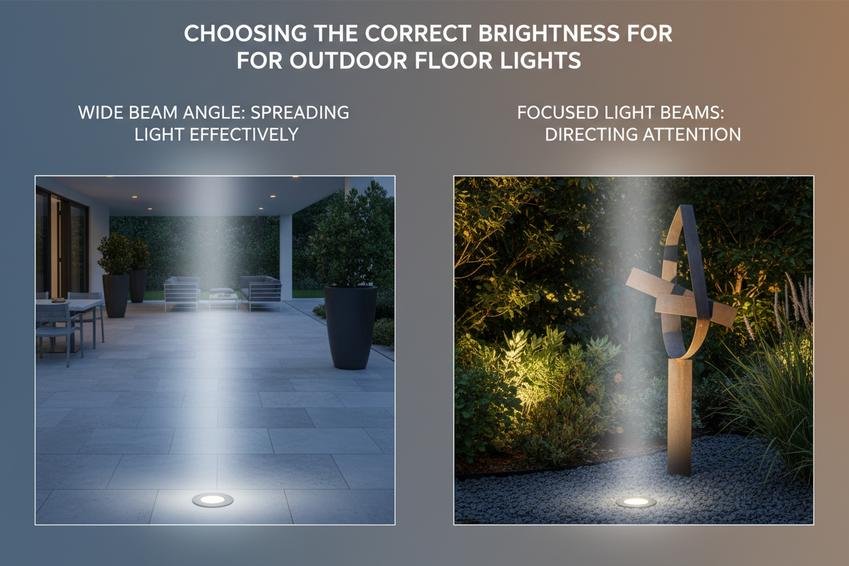
◆ Directional spotlights within polycarbonate housing highlight sculptures elegantly under late-night gatherings.
Closing line: Each choice tells a story—the right fixture transforms mere light into atmosphere that feels alive under open skies.