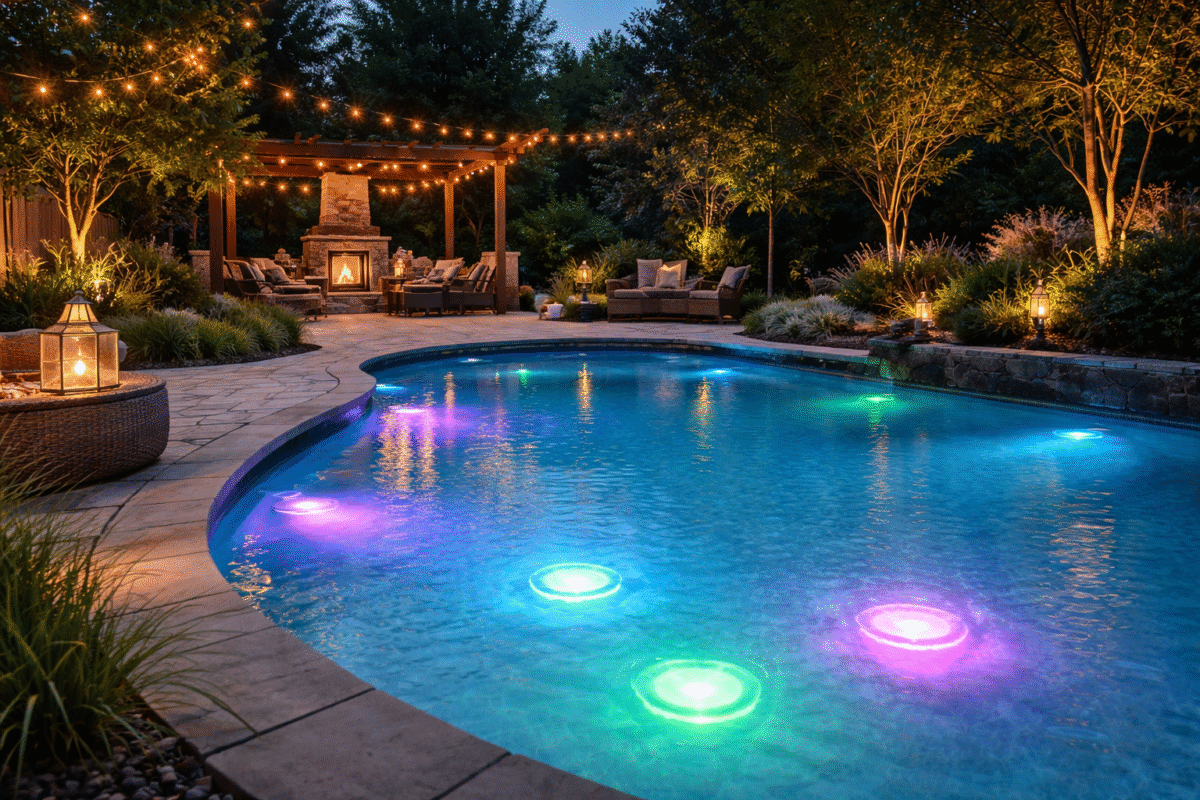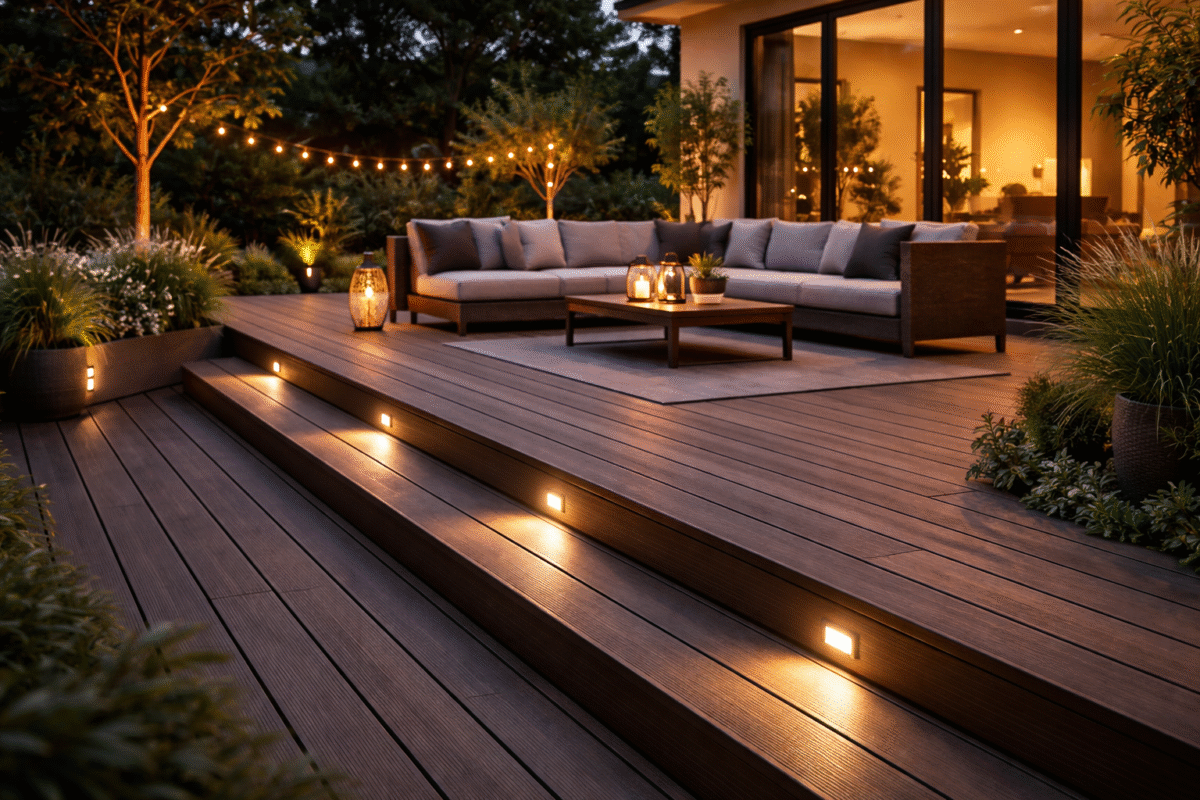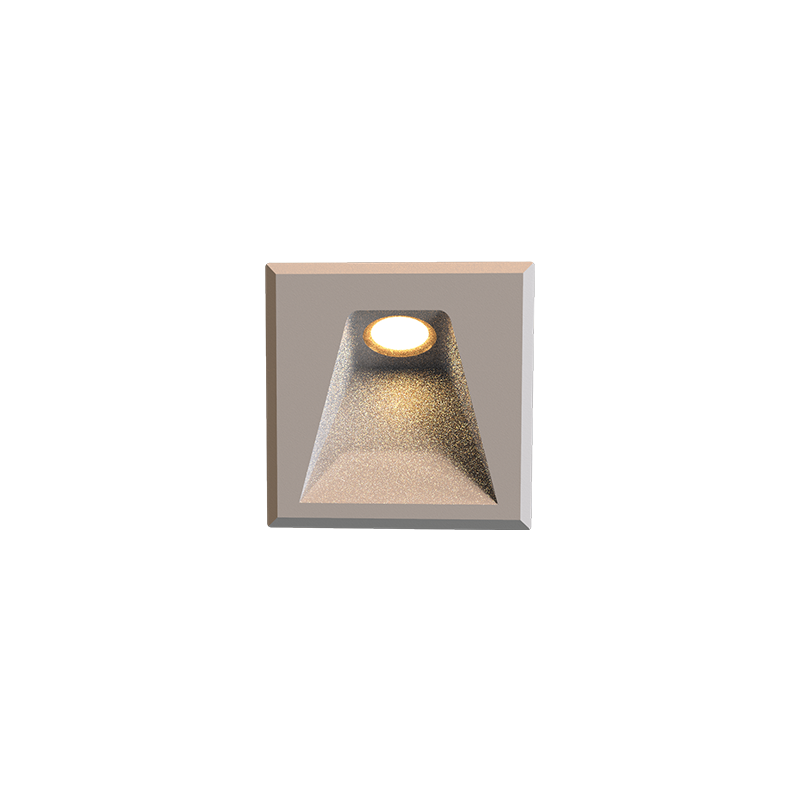
 Wondering if stick on solar lights for steps are still a smart buy in 2026? Absolutely. They’re a fantastic way to cut down on energy costs and boost your home’s nighttime safety. Installation is a breeze, and the latest models come with great features like waterproofing, color options, and smart sensors. Sure, some folks worry about lifespan or brightness, but most homeowners find that solar outdoor step lights are a solid, worthwhile investment.
Key Takeaways
- Stick on solar lights save you money and energy by charging with sunlight, which really helps lower those electric bills. They make steps visible after dark and often have anti-slip designs to help prevent trips and falls.
- Today’s models are typically waterproof and built to last, standing up to all kinds of weather. You can install them in no time—usually under 90 seconds per light—and you won’t need any special tools.
- Look for lights with automatic sensors or multiple color choices. These features add an extra layer of safety and let you customize the look of your space.
Benefits of Stick on Solar Step Lights

Energy Efficiency and Cost Savings
Who doesn’t want to save some cash and energy? Stick on solar step lights let you do exactly that. In 2026, you’ll find ultra-thin designs that sit flush against your steps, so they look sleek and stay out of the way. Thanks to improved LiFePO4 batteries, these lights can shine bright for 8 to 10 hours, even on chilly nights. Best of all, you can kiss high electric bills goodbye because they run entirely on sunlight. Just let them soak up the sun during the day, and they’ll light up your path all night long.
- Ultra-thin panels blend right in with your steps.
- LiFePO4 batteries keep your lights shining longer.
- With no wires, there are no added energy costs.
Safety and Visibility Improvements
Safety is a big deal, especially once the sun goes down. Stick on solar step lights make your stairs way easier to see, helping you avoid trips and slips. A lot of them even come with anti-slip designs, so the lights themselves won’t become a problem. You can place them at just the right height to cut down on hazards. These little lights hold up great in rain, snow, and dust, so you’ll always know where you’re stepping.
- A solid weatherproof rating means they keep shining, no matter the forecast.
- Built-in anti-slip designs help keep you and your family safe.
- Getting the placement right minimizes tripping risks.
Waterproof and Weatherproof Features
Nobody wants their lights to quit the first time it storms. Most solar step lights in 2026 boast a waterproof IP65 rating. That means they can take on water jets, dust, and even heavy downpours. Many use tough stuff like ABS plastic or aluminum, which shields them from UV rays, freezing cold, and the occasional bump. You can really count on these lights to last through every season.
Take solar outdoor step lights for concrete—they’re built to survive the elements. You can leave them out all year long and they’ll keep doing their job. If you get a lot of snow, just brush off the solar panel now and then so it keeps charging. In the summer heat, the rugged design helps prevent any damage from heat buildup.
Easy Installation Methods
You definitely don’t need to be a pro to install these. Stick on solar step lights are a breeze to set up. You can often get a single light installed in under 90 seconds. Compare that to wired lights, which can take up to 10 hours! One homeowner managed to put up 24 solar lights in just 37 minutes. You’ve got a few different installation methods to pick from, depending on your steps.
|
Installation Method |
Description |
|---|---|
|
Ground-Mounted Lights |
Push stakes into the ground for easy setup. |
|
Wall-Mounted Lights |
Use screws or adhesive to attach to walls or vertical surfaces. |
|
Surface-Mounted Lights |
Fix with screws for a permanent solution. |
For concrete steps, solar outdoor step lights for concrete can be attached with strong adhesive or screws. Just choose the option that works best for your setup.
Versatile Styles and Colors
You want your home to look its best, and solar step lights can really help. In 2026, you’ll find tons of styles and colors. Some models feature RGB color-changing, so you can match the lights to your mood or the season. Ultra-thin panels give a modern, sleek look. You might go for a warm white to create a cozy feel, or a bright white for maximum visibility. There are options for every style and every type of step, including solar outdoor step lights for concrete.
Automatic On/Off and Photocell Sensors
Who wants to remember to flip a switch every night? Automatic sensors take that chore off your list. These handy lights switch on at dusk and turn off at dawn. Some even come with motion sensors that only activate when someone’s nearby. It’s a smart setup that saves energy and keeps your walkway safe. You’ll see the savings on your power bill, too, since the lights only run when necessary.
- Automatic on/off cuts down on energy waste.
- Motion sensors add an extra layer of security.
- Reliable performance in rain, snow, or shine.
“The sensors caught every sneaky squirrel and the occasional night jogger. The illumination is impressive, bright enough to ward off any lurking shadows.”
Most folks find the sensors are really responsive, even from a good distance. You can count on your solar outdoor step lights to be there when you need them.
Drawbacks and Limitations

Durability Concerns
We all want lights that last, but some stick on solar step lights can have durability issues. If you go with a cheaper model, you might run into problems faster. Some use flimsy materials that can crack or fade when the weather gets rough. It’s worth looking for lights built with tougher stuff, like ABS plastic or aluminum—they stand up to the elements much better.
- Spending a bit more upfront often means a longer-lasting product.
- Opt for lights with secure, corrosion-resistant connections.
- A little maintenance, like checking screws and sealant, goes a long way.
Typically, the batteries in these lights need replacing every 3-5 years. The good news is the LEDs themselves can keep going for a decade or more, so you’re usually just swapping a battery.
Light Output and Performance
Let’s be honest: stick on solar lights usually aren’t as bright as their wired cousins. If you’re looking to flood an area with light, that could be a dealbreaker. Here’s a quick comparison:
|
Type of Light |
Average Light Output (Lumens) |
|---|---|
|
Wired Step Lights |
100–300 |
|
Stick-on Solar Lights |
15–25 |
These solar lights are perfect for marking steps and paths, but they won’t illuminate your entire backyard. For brighter coverage, you might consider blending solar and wired lights together.
Climate and Location Challenges
Where you put your solar outdoor step lights really matters. They need plenty of direct sunlight to charge up properly. If your steps are tucked in the shade or blocked by trees, the lights probably won’t perform their best. It’s smart to choose spots that get the most sun throughout the day.
- Install lights where they’ll receive maximum sunlight.
- Take a look at your landscaping for anything that might block the sun.
- Keep in mind, poor sunlight exposure can lead to dim lights or cause them to fail entirely.
Tip: If you live in a cloudy or heavily shaded area, you might need to clean the panels more often or think about other lighting options.
2026 Trends and Advancements

Technological Improvements
You’re going to see some pretty cool updates for stick on solar step lights in 2026. These lights aren’t just brighter—they’re smarter and way more efficient. Here’s a look at the biggest upgrades coming your way:
- More Efficient Solar Panels: New bifacial panels grab sunlight from both sides, so your lights can charge even on overcast days.
- Wireless Integration: You can place your lights just about anywhere. No wires means less hassle and more flexibility.
- Integration with Renewable Microgrids: Your solar step lights can now connect with other green energy systems at home, helping you save even more power.
- 3D Printing Solar LEDs: You can get lights custom-made for your steps. Custom shapes and sizes mean a perfect fit for any space.
- Energy Sharing Across Buildings: Some setups even let you share extra solar power with neighbors, making your whole block brighter and greener.
Tip: If you want the latest features, keep an eye out for models labeled “bifacial panels” or “microgrid ready” on the box.
Market Pricing and Availability
You don’t have to break the bank to get great solar step lights in 2026. Prices have come down as more people want them. You can find basic models for under $20 a pack. Fancier lights with color-changing modes or smart sensors will cost a bit more, but they’re still pretty affordable. Most major retailers and online shops will have plenty of options, so you can easily find something that fits your budget and style.
Choosing Solar Outdoor Step Lights for Concrete

User Reviews in 2026
Folks using stick on solar step lights in 2026 are pretty thrilled. They love how easy the lights are to install and how great they look. A lot of reviews mention these newer models last longer and shine brighter than the old ones. Here’s how users rated SHONE Solar Step Lights against other options:
|
Category |
SHONE Solar Step Lights |
Other Options |
|---|---|---|
|
Installation |
4.5/5 |
Varies |
|
Light Quality |
5/5 |
Varies |
|
Appearance |
4.5/5 |
Varies |
|
Durability |
5/5 |
Varies |
|
Value |
5/5 |
Varies |
It’s clear SHONE Solar Step Lights get top scores for light quality, durability, and value. Most people say they’d buy them again. If you’re looking for a simple way to upgrade your steps, these lights are a smart choice.
Key Features to Consider
Picking out solar outdoor step lights for concrete isn’t just about getting a glow. You want lights that make your steps safer and boost your home’s look. Here’s what to keep an eye out for:
- Lights that help you see each step clearly at night, keeping your family safe.
- Designs that add some style and improve your home’s curb appeal.
- Energy-efficient models that soak up sunlight to charge during the day.
- Lights that turn on automatically at dusk—no need to remember a switch.
- Products that are low-maintenance. Basically, set them and forget them.
- No wires or complicated setups, so you can install them yourself.
It’s also smart to check the waterproof rating so they can handle rain and snow. Look for tough materials like ABS plastic or aluminum that can stand up to the weather and everyday use.
Tip: Go for lights with a strong battery and a solar panel that charges even on cloudy days. That way, your steps stay bright all year round.
Top Models for Concrete Steps
When you’re looking for solar outdoor step lights, you’ve got plenty of options, especially for concrete. But let’s be honest, not all models are created equal. Some just work better on concrete surfaces. For 2026, here are a few of our top picks.
|
Model Name |
Best For |
Key Features |
Price Range |
|---|---|---|---|
|
SHONE Solar Step Lights |
All concrete steps |
Ultra-thin, waterproof, long battery |
$25-$50 |
|
Greluna RGB Step Lights |
Style and color |
Color changing, easy adhesive mount |
$18-$30 |
|
JACKYLED Solar Deck Lights |
Durability |
Aluminum body, screw installation |
$25-$40 |
|
Solpex Motion Sensor |
Security |
Motion sensor, bright LEDs |
$22-$38 |
You can find these step lights online or at most home improvement stores. Some come with fun features like color-changing modes, while others are all about rugged durability and weatherproofing. It really comes down to what you need and what matches your outdoor style.
Quick tip: If you want a super simple install, look for models that use strong double-sided tape. But if you’re after extra strength and don’t mind a more permanent fix, go for lights that use screws.
Installation Tips for Concrete Surfaces
Think installing solar outdoor step lights on concrete is tough? It’s actually pretty straightforward. You’ve got two main options for attaching them: masonry screws or double-sided tape.
- Masonry screws give you a rock-solid hold. They’re perfect if you want a permanent installation that lasts for years.
- Double-sided tape is the quick and easy choice. Just peel and stick—it’s less messy and won’t damage your steps.
Both methods will keep your lights secure, so just pick what works for your project.
For a smooth installation, keep these tips in mind:
- Always clean the concrete surface first. Any dirt or dust can keep the tape from sticking properly.
- Place the lights where they’ll get plenty of direct sunlight during the day so they can charge up completely.
- Test the lights before you mount them. Make sure they turn on and off like they’re supposed to.
- If you’re using screws, drill small pilot holes first. It makes driving the screws in much easier.
- On cloudy days or in winter, give the solar panels a quick wipe to clear off any snow, leaves, or grime.
Pro Tip: If your steps have risers, try mounting the lights on the vertical face. You’ll get great light coverage and keep the panels from being stepped on.
You really don’t need special skills or tools. Just follow these simple steps, and your solar outdoor step lights will shine bright and last a long time.
Stick on solar lights for steps offer some great perks. You’ll save on energy costs, improve safety, and love the easy setup. With cool features like color choices and motion sensors, they’re a smart upgrade. While they might not be quite as bright or long-lasting as hardwired lights, most homeowners find them totally worth it.
If you’re looking for safer steps and lower bills, give solar step lights a shot. Just choose a model that suits your local weather and your style—you’ll love how it turns out.
FAQ
How long do stick on solar step lights last?
Typically, stick on solar step lights will last between 3 and 5 years. The LED bulbs themselves can keep shining for up to a decade. You might need to swap out the rechargeable battery every couple of years to keep them at their brightest.
Can I use these lights in snowy or rainy weather?
Absolutely. Most solar step lights come with a waterproof rating like IP65, so they’re built to handle rain, snow, and dust. If snow piles up, just give the solar panel a quick wipe.
Do I need special tools to install solar step lights on concrete?
Not at all. For a fast, no-fuss setup, a strong double-sided tape works perfectly. If you prefer a more permanent hold, you can use masonry screws and a drill. Either method gets the job done.
Will solar step lights work if my steps are in the shade?
Solar step lights need direct sunlight to charge properly. If your steps are mostly shaded, the lights probably won’t get enough power. Your best bet is to place them where they’ll catch the most sun during the day.