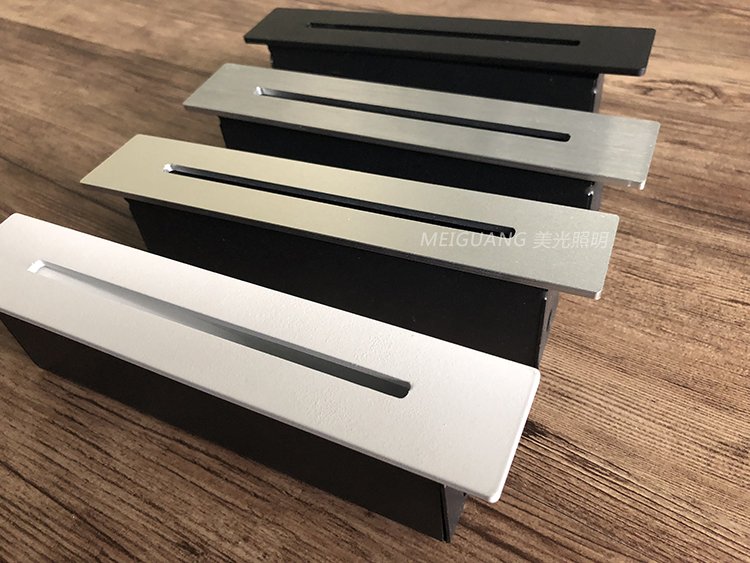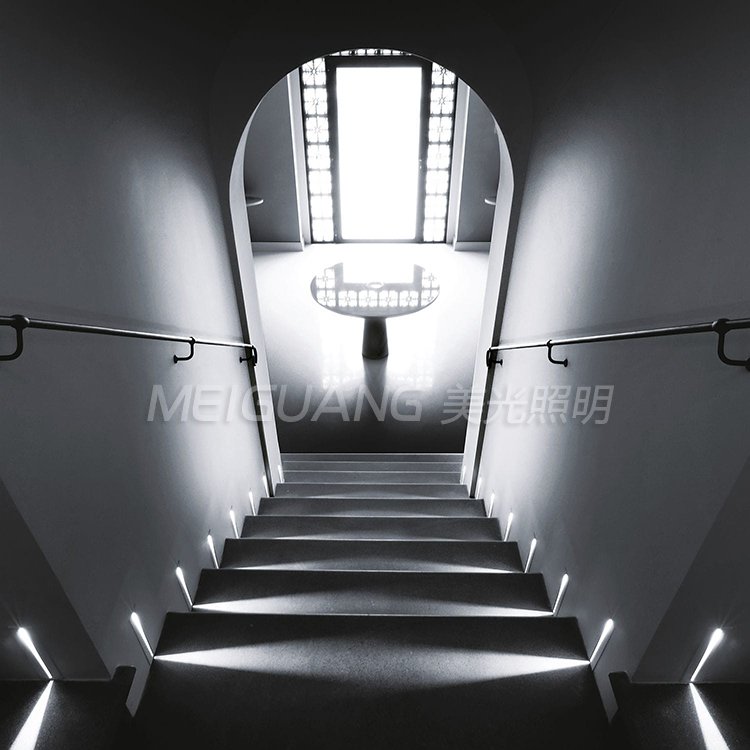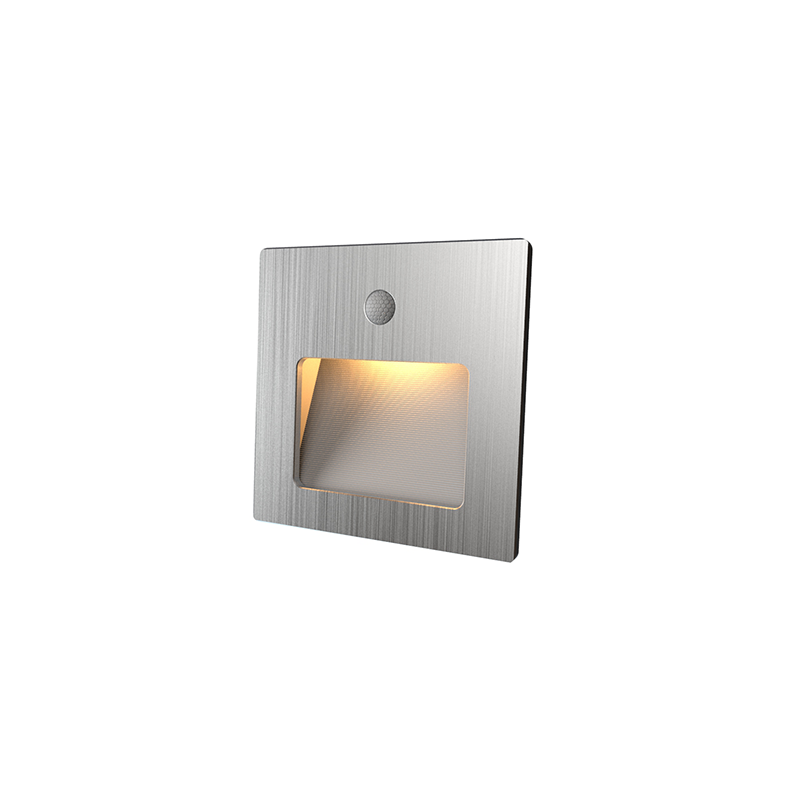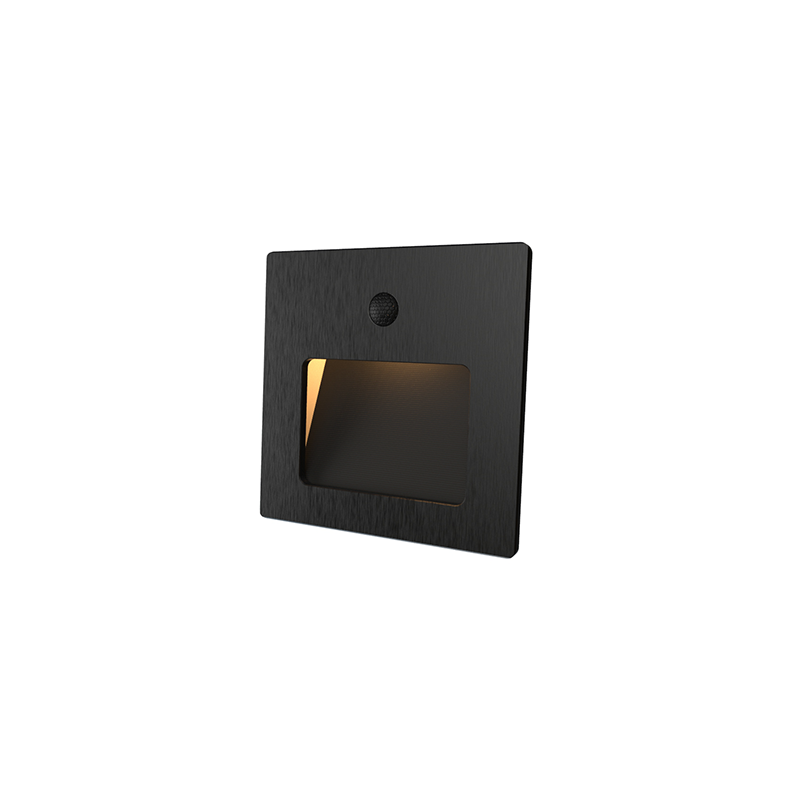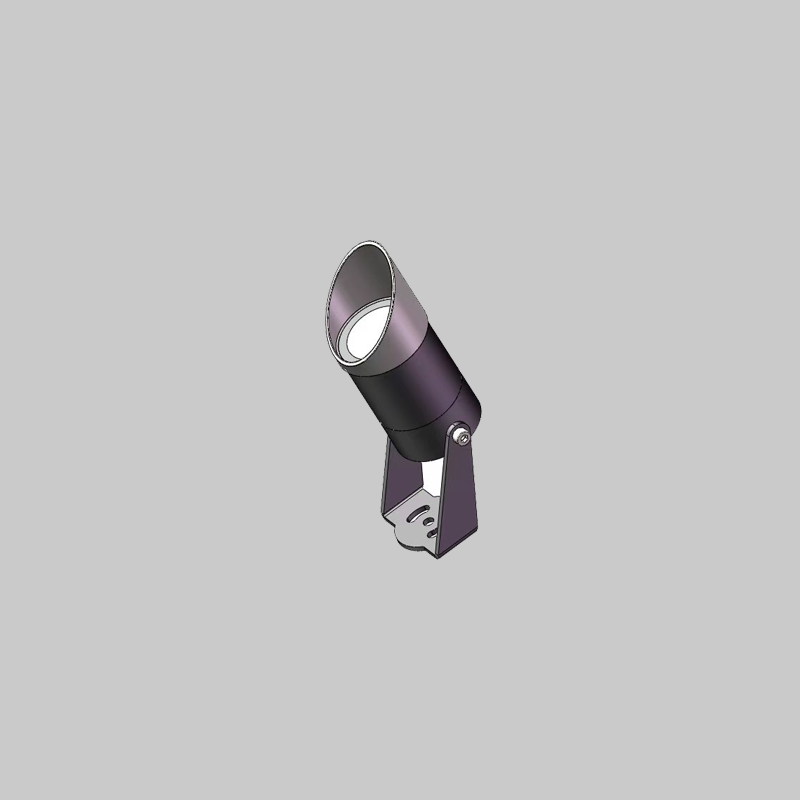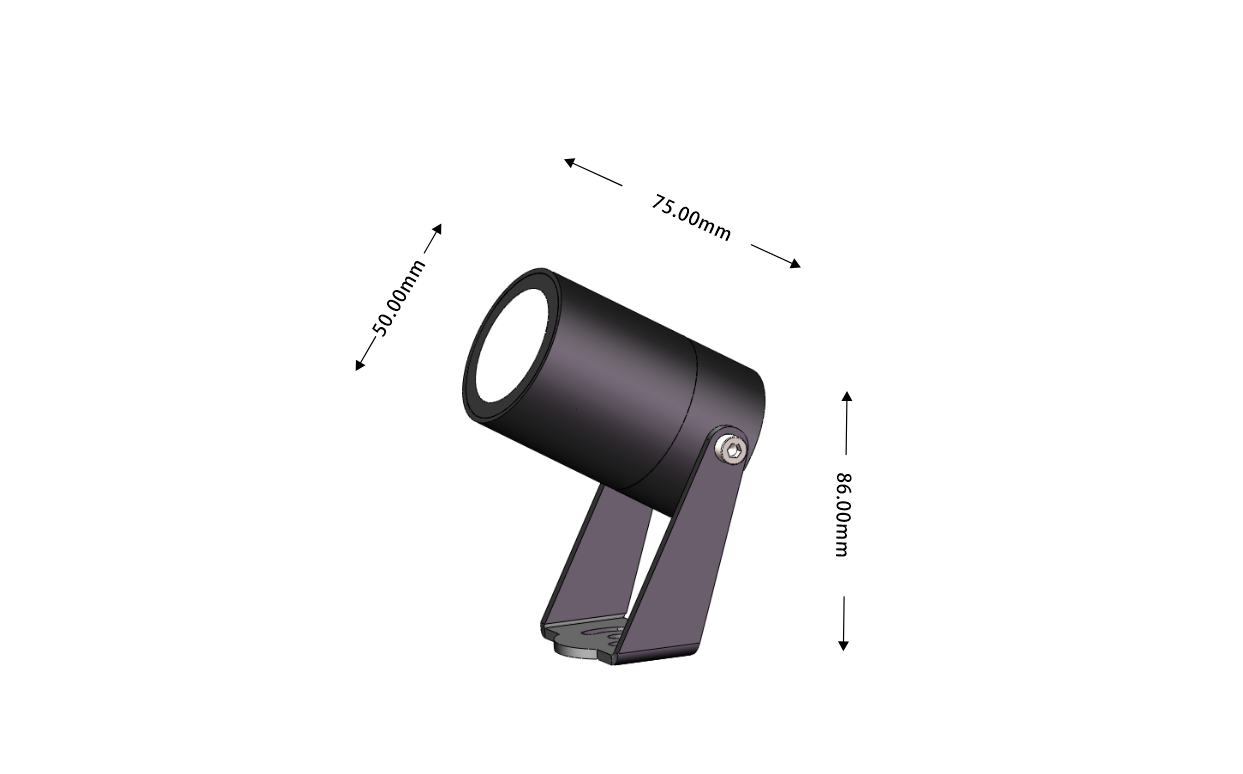
A well-placed ground light fixture is like a stage spotlight for your backyard—it turns plain concrete steps into a red-carpet entrance. Yet too many patios end up with patchy glare, dark corners, and fixtures that fizzle out after one rough winter. You want glow, not guesswork. Safety, mood, durability—all playing nice together without jacking up the power bill.
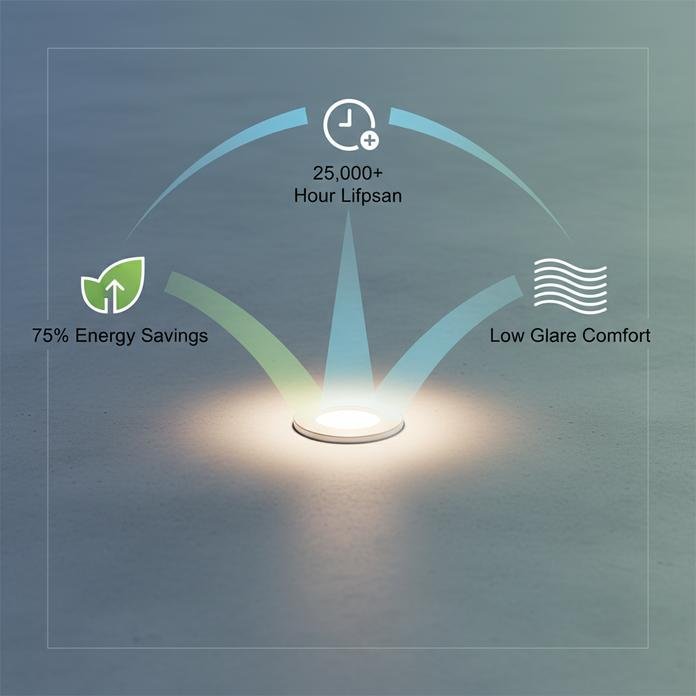
The U.S. Department of Energy notes that LED lighting can cut energy use by up to 75% compared to traditional sources. Grand View Research reports steady growth in outdoor LED demand, driven by efficiency and long lifespans. As the DOE puts it, “LEDs are transforming lighting.” Short quote. Big impact.
Here’s where layering low-voltage step lighting steals the show—stacking soft washes, crisp step markers, and subtle wall accents like instruments in a jazz trio. Done right, your space doesn’t just light up. It hums.
Radiant Quick Answers: Ground Light Fixture
→ Ensure high IP and IK ratings guard against moisture, debris, and impacts.
→ Choose low-voltage LED drivers (RoHS/ENERGY Star) for efficient, consistent illumination.
→ Layer step lights, wall fixtures, and plant wash for ambiance without glare or dark zones.
Ground Light Fixture Basics Explained
Ground light fixture systems sit low, take abuse, and still need to shine bright. From rain-soaked gardens to busy driveways, a well-chosen ground light, in ground light, or recessed ground lighting unit keeps paths safe and yards looking sharp. Here’s what really matters before locking in a ground light fixture.
Understanding Waterproof Rating and Dust Ingress Protection
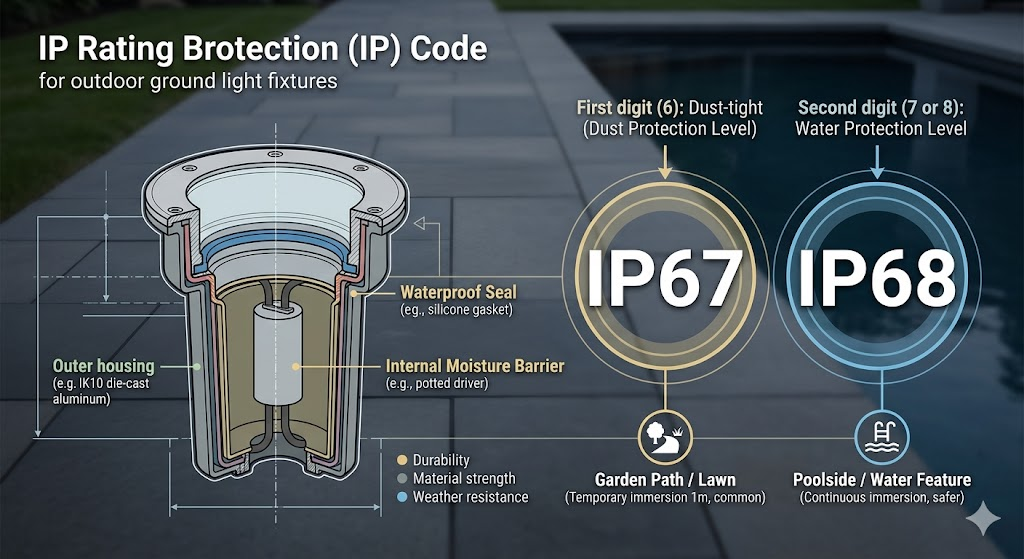
When choosing a ground light fixture, start with IP Rating. That number tells you how strong the Ingress Protection is against water and debris.
- Structure of IP Code
- First digit → Dustproof level
- Second digit → water resistance depth
- Protection Layers
- Outer housing
- Waterproof Seal
- Internal Moisture Barrier
| IP Rating | Dust Protection Level | Water Protection Level |
|---|---|---|
| IP65 | Dust-tight | Low-pressure jets |
| IP67 | Dust-tight | Temporary immersion (1m) |
| IP68 | Dust-tight | Continuous immersion |
For outdoor ground light fixture installs in lawns or stone decks, IP67 is common. Near pools, IP68 feels safer. A solid Weather Resistance design keeps your ground light fixture glowing instead of shorting out after the first storm.
Impact Resistance, IK Rating, and Corrosion Resistance
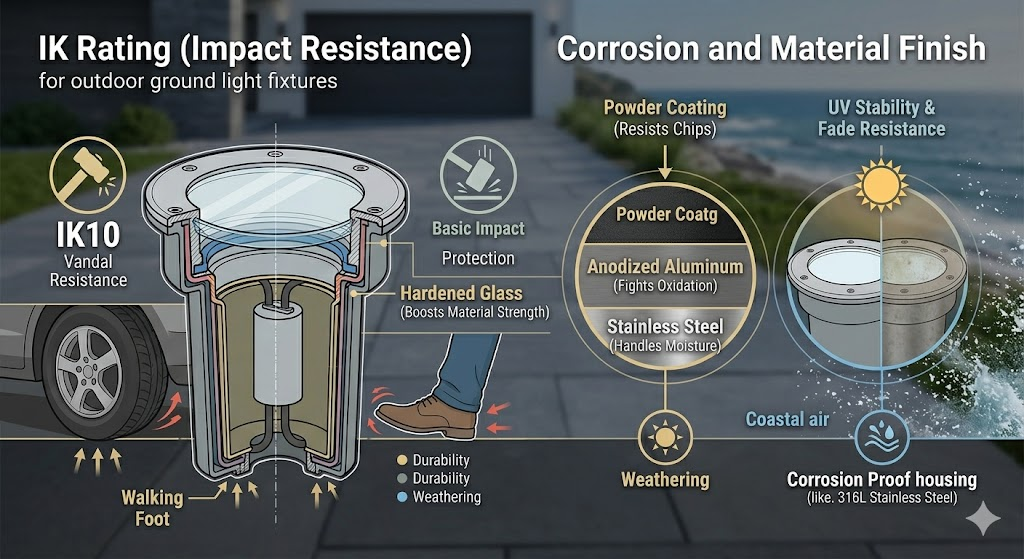
A driveway ground light fixture deals with foot traffic, bike tires, sometimes even cars. That’s where IK Rating steps in.
- IK08 → basic Impact Protection
- IK10 → high Vandal Resistance
- Hardened glass improves Material Strength
Add coastal air and things get rough. Look for Corrosion Proof housing and treated screws to boost long-term Durability.
The 2025 Global Outdoor Lighting Report by MarketsandMarkets notes that demand for IK10-rated in-ground luminaires is rising in urban projects due to increased pedestrian traffic and vandal resistance requirements.
Salt spray resistance isn’t hype; it keeps that ground light from rust stains and cracked trims.
Material Finish Options and UV Resistance
Finishes are not just about looks.
• Powder Coating resists chips
• Anodized Aluminum fights oxidation
• Stainless Steel handles moisture
Under strong sun, UV Stability and Fade Resistance matter. Without proper Surface Treatment, a ground light fixture turns dull fast. Good Weathering control keeps recessed ground lighting clean and sharp year after year.
Power Supply Voltage, Conduit Compatibility, and Wiring Diagram
Electrical setup can make or break a ground light fixture.
- Confirm Low Voltage (12V/24V) or line voltage.
- Match with correct Transformer capacity.
- Check Conduit size and sealing.
- Review Wiring layout and Circuit load.
- Calculate Voltage Drop over distance.
- Follow local Electrical Code.
Nested considerations:
- Power Source
- Distance from supply
- Load per circuit
- Safety
- Waterproof connectors
- Grounding method
A clean wiring plan keeps every ground light steady, bright, and safe.
5 Key Benefits of Low-Voltage Step Lighting
Low-voltage lighting does more than brighten stairs. It shapes comfort, cuts energy waste, and adds style without driving up bills. When paired with a well-placed ground light fixture, paths and steps feel safer and more inviting. A quality ground light fixture or in-ground light fixture can totally change how outdoor spaces work at night.
Enhanced Safety: Consistent Lumen Output for Walkway Illumination
Low-voltage systems focus on lumen output that stays steady across every tread and path. That means real consistent lighting, not random bright spots.
- Core Safety Factors
- Walkway illumination
- Stable brightness reduces dark patches
- Smooth light distribution supports nighttime navigation
- Pathway safety
- Clear edge definition
- Stronger hazard reduction
- Walkway illumination
When a ground light fixture is installed flush along stairs, visibility improves instantly. Add a light fixture for ground-level placement beside landings, and trips drop off fast. Many property managers now combine step lights with a ground lighting fixture to build layered safety.
Energy Efficiency: RoHS Compliant Drivers and Energy Star Savings
Energy savings come down to smart components and tight control of power consumption.
- Compliance & Performance
- RoHS compliant drivers
- Cleaner materials
- Safer disposal cycles
- Energy star alignment
- Lower reduced electricity demand
- Reliable driver efficiency
- RoHS compliant drivers
A 2025 update from the International Energy Agency noted:
“High-efficiency LED systems continue to cut global lighting electricity demand growth, even as installed capacity rises.”
That lines up with what users see—real cost savings and more sustainable lighting. Pair step lights with a ground light fixture to keep brightness high and bills low. MG Lighting integrates these drivers so projects feel future-ready without extra fuss.
Design Flexibility: Adjustable Beam Angle and Color Temperature
Style matters. Clean lines. Warm glow. Sharp highlights.
- Custom Control
- Beam angle
- Narrow focus for step edges
- Wider spread for shared zones
- Color temperature
- Warm tones for relaxed vibes
- Cool tones for crisp lighting design
- Beam angle
Adjustable features give true aesthetic control. A recessed ground light fixture can highlight textures, while an in-ground light fixture adds subtle depth along borders. The result is customizable ambiance that feels intentional, not overdone.
Durability: Salt Spray Resistance and Extended Lifespan Hours
Outdoor lighting takes a beating, so materials matter.
- Environmental Defense
- Salt spray resistance
- Protects against coastal air
- Slows corrosion resistance breakdown
- Structural Strength
- Preserved material integrity
- Stable long-term performance
- Salt spray resistance
High-rated fixtures with extended lifespan hours hold up through rain, frost, and heat swings. A sealed ground lighting fixture keeps moisture out and maintains outdoor resilience. MG Lighting designs each ground light fixture with weatherproof housing that keeps maintenance low and performance steady.
Easy Installation: Cable Length, Mounting Depth, and Drainage Considerations
Good installs prevent headaches later.
- Planning Basics
- Cable length
- Limits voltage drop
- Keeps wiring tidy
- Mounting depth
- Protects fixture body
- Supports even light spread
- Drainage
- Stops pooling
- Guards internal wiring
- Cable length
During the installation process, proper ground burial and site preparation make all the difference. A carefully placed ground light fixture with smart drainage avoids overheating and water buildup. MG Lighting supports installers with clear specs, so every light fixture for ground placement performs right from day one.
Low Voltage Versus Line Voltage: Which Wins?
Choosing the right power setup for your ground light fixture can feel like picking between sneakers and work boots. Both get the job done, but comfort, strength, and safety all play a part.
Low Voltage
Low voltage setups are a favorite for a ground light fixture placed along paths, patios, or garden beds. The reason is simple: safer wiring, easier upgrades, and smart control.
- Core Components
- Transformer
- Steps 120V down to 12V or 24V
- Reduces shock risk around ground light installations
- Wire gauge
- Thicker cable reduces voltage drop
- Critical when multiple LED ground light fixture units run on one line
- Control Devices
- Timer for scheduled lighting
- Photocell for dusk-to-dawn automation
- Transformer
- Performance Factors
- LED fixtures consume less energy
- Designed for decorative landscape lighting
- Flexible layout for in-ground light or recessed ground lamp designs
| Cable Length (ft) | Wire Gauge | Voltage Drop (%) | Recommended Load (W) |
|---|---|---|---|
| 25 | 16 AWG | 3% | 120W |
| 50 | 14 AWG | 4% | 180W |
| 75 | 12 AWG | 5% | 240W |
| 100 | 10 AWG | 6% | 300W |
Low voltage makes upgrades simple. Add another ground light fixture, adjust beam angles, swap in smart dimming. Brands like MG Lighting often design systems where the transformer capacity matches expansion plans, so your ground lighting doesn’t hit a wall later.
Line Voltage
Line voltage systems run on direct 120V direct wiring, built for power and endurance.
- Electrical Infrastructure
- Connected through junction boxes
- Protected by a circuit breaker
- Requires conduit rated for outdoor use
- Fixture Strength
- Built for high power output
- Compatible with outdoor rated fixtures
- Known for long-term durability
- Installation Path
- Load calculation
- Conduit routing
- Professional termination
This route fits large properties needing intense brightness from each ground light fixture. A professional installation is usually required, especially when integrating high-output ground light systems near driveways or security zones.
If low voltage feels flexible and forgiving, line voltage feels solid and industrial. The real win depends on scale, brightness needs, and how hands-on you want to be.
How To Avoid Uneven Light Distribution?
Uneven lighting along a pathway can make even a premium ground light fixture look sloppy. Dark patches, glare, and random bright circles usually come down to beam spread, wiring, or installation depth. When every ground, light, and fixture detail is handled right, your ground light fixture layout feels clean, safe, and professional.
Optimizing Beam Angle and Placement Spacing
Uniform lighting starts with understanding how each ground light fixture throws light.
- Beam Control Strategy
- Beam angle
- Narrow (15°–25°): focused accent on trees or columns.
- Medium (30°–45°): balanced walkway lighting.
- Wide (60°+): soft wash across open paving.
- Illumination pattern
- Circular spread for symmetrical paths.
- Elliptical for rectangular pathway width coverage.
- Light distribution
- Overlapping edges by 20–30% avoids scalloped shadows.
- Beam angle
- Spacing Logic
- Fixture-to-fixture distance should equal 1–1.5× the beam diameter at ground level.
- Keep consistent spacing to prevent hot spots.
- Adjust layout if pathway width changes.
- Coverage Check
- Test at night.
- Walk the path.
- If brightness feels patchy, reduce spacing or widen the beam angle.
Quality matters too. MG Lighting designs each light fixture to maintain stable coverage, so your in-ground light or ground lighting system looks smooth instead of scattered.
Calculating Cable Length and Power Supply Voltage Drop
A perfect layout fails fast if power drops along the line of a ground light fixture installation.
- Circuit Planning
- Map total cable length from power supply to the last ground light fixture.
- Add 10% buffer for routing turns.
- Calculate total circuit load in watts.
- Voltage Drop Control
- Choose proper wire gauge:
- Short run (<15m): standard gauge.
- Medium run (15–30m): one size thicker.
- Long run (30m+): upgrade gauge or split circuits.
- Confirm voltage regulation at the final fixture.
- Use a stable transformer rated 20% above load.
- Choose proper wire gauge:
- Stability Review
- Measure voltage at:
- Start point.
- Midpoint.
- End fixture housing.
- Difference should stay within 3%.
- Measure voltage at:
Consistent voltage keeps each ground light fixture delivering equal lumen output. MG Lighting systems are engineered so every outdoor ground light maintains steady brightness across the run.
Mounting Depth Adjustments and Conduit Compatibility
Installation details make or break performance.
- Mounting Depth Alignment
- Set correct mounting depth flush with ground level.
- Too high → glare.
- Too low → blocked light distribution.
- Match soil type for stability.
- Fixture Housing Protection
- Seal fixture housing properly.
- Confirm IP rating for weatherproofing.
- Allow airflow for heat control.
- Conduit and Wiring Structure
- Verify conduit diameter fits underground wiring.
- Use compatible connectors during installation.
- Plan drainage path beneath housing.
When each ground light fixture sits at the right depth with proper conduit support, the entire ground lighting setup stays level, dry, and stable for years. A well-installed ground light fixture doesn’t just shine—it stays reliable without constant fixes.
Layered Lighting: Steps, Walls, And Plant Wash
Layered outdoor lighting is not about throwing random fixtures into the yard and hoping for magic. It’s about stacking light in smart ways. A well-placed ground light fixture, paired with wall accents and soft plant wash, builds safety and vibe at the same time. With the right ground, light, and fixture balance, even simple paths feel upgraded.
Ground Lights for Steps: IP Rating and 0-10V Dimming Control
A reliable ground light fixture used in step lighting must handle rain, dust, and foot traffic without drama. That’s where IP rating and 0-10V dimming control come in.
- Core performance factors:
- IP rating for sealed outdoor lighting
- Stable low voltage operation
- Smooth dimming control using 0-10V
- Electrical reliability
- Moisture protection
- Visual comfort
For practical selection:
- ✓ Use recessed ground light fixture models for flush mounting
- ✓ Confirm compatibility with low voltage drivers
- ✓ Pair with centralized dimming control
Technical reference for step installations:
| IP Rating | Water Protection Level | Typical Use Case | Lifespan (hrs) |
|---|---|---|---|
| IP65 | Water jets | Covered steps | 30,000 |
| IP66 | Strong jets | Open staircases | 40,000 |
| IP67 | Temporary immersion | Poolside steps | 50,000 |
| IP68 | Continuous immersion | Wet zones | 50,000+ |
Under structured planning:
- Installation Layer
- Recessed housing
- Anti-corrosion trim
- Sealed lens
- Conduit routing
- Waterproof joints
- Recessed housing
- Control Layer
- Central dimmer
- 0-10V wiring
- Scene presets
- Central dimmer
Brands like MG Lighting design each ground light fixture to maintain consistent beam spread while allowing adjustable brightness, so steps stay safe without looking harsh.
Wall-Mounted Low-Voltage Fixtures with Smart Lighting Integration
A wall-mounted fixture running on low-voltage systems brings subtle glow without heavy wiring costs. It’s clean, efficient, and easy to scale.
Here’s how it usually plays out:
- Mount height affects beam angle.
- Driver placement affects heat control.
- Smart lighting integration affects daily comfort.
With lighting control platforms and wireless modules, users can:
- Schedule on/off times
- Adjust brightness remotely
- Sync wall and ground light fixture zones
“Smart outdoor lighting systems are projected to see double-digit annual growth through 2027 as residential automation demand accelerates,” noted MarketsandMarkets in its 2025 smart lighting outlook.
Short observations from field installs:
Low voltage means safer maintenance.
Wireless control reduces trenching.
Integrated systems reduce energy waste.
When a ground light fixture aligns with outdoor fixtures on the wall, lighting feels intentional instead of random. MG Lighting keeps compatibility open, so wall units and ground-based light fixture systems talk to the same controller.
Plant Wash Effects: UV-Resistant Finish and Photocell Sensor
Plant wash setups focus on texture, not glare. A well-aimed ground light fixture or in-ground light softly lifts foliage from below, highlighting bark and leaves.
Design hierarchy:
- Surface Durability
- UV-resistant coating
- Prevents color fading
- Extends fixture life
- UV-resistant coating
- Automation
- Photocell sensor
- Activates at dusk
- Shuts off at dawn
- Photocell sensor
- Beam Management
- Adjustable tilt
- Controlled lighting effects
In practical outdoor illumination planning:
- Select corrosion-resistant housing.
- Match beam width to plant height.
- Integrate automatic control for energy savings.
Soft plant wash lighting works best when the ground light fixture blends into soil lines without sticking out visually. Combined with broader landscape lighting, it creates depth. No fuss. Just calm, balanced outdoor glow that feels right every night.
Scenario-Based: Entertaining On Illuminated Terraces
Hosting friends on a glowing terrace just hits different. The mix of water reflections, architectural shadows, and a well-placed ground light fixture can turn a simple get-together into a night people talk about for weeks. Smart outdoor lighting isn’t flashy—it’s thoughtful, safe, and built to last.
Pool Deck Lighting with Motion Detection and CE Certified Fixtures
A lively pool deck needs lighting that reacts fast and stays safe around water. That’s where motion detection and CE certified performance step in.
- Core benefits:
- Faster response to movement near wet areas
- Reduced standby energy use
- Added safety lighting after sunset
- Motion-triggered activation
- Automatic dimming when idle
- Low energy draw under low voltage systems
When planning the layout, think in layers:
- Waterline Zone
- a. Recessed ground light fixture units sealed as waterproof fixtures
- b. Anti-glare trim to protect swimmers’ eyesight
- Walkway Edge
- a. Flush-mounted ground light
- b. Textured lens for slip-prone areas
- Lounge Perimeter
- a. Decorative light fixture accents
- b. Backup manual override
A properly installed ground light fixture near steps and transitions reduces trip risks. A quality ground light with sealed housing keeps humidity out and performance steady. MG Lighting integrates sensor-ready drivers so your light fixture system feels seamless, not overcomplicated.
Subtle glow. Quick response. No drama.
Architectural Accent Uplighting: DMX Compatibility and Driver Reliability
Good architectural accent design is about control. True uplighting isn’t random brightness—it’s precision, powered by DMX compatibility and strong driver reliability.
Here’s how it breaks down:
- Control Layer
- a. DMX channel mapping
- b. Scene presets for events
- c. Sync with music or pool reflections
- Power Layer
- a. Stable low voltage distribution
- b. Surge protection
- c. Heat-managed drivers
- Fixture Layer
- a. Outdoor fixtures rated for weather swings
- b. Recessed ground light fixture placement at façade base
- c. Adjustable beam angles for customizable lighting
★ Tip: Keep beam spreads varied—narrow for columns, wider for textured walls.
The right ground light fixture placed at structural intervals creates rhythm along stone or stucco. A ground lighting fixture with reliable drivers avoids flicker during long parties. When the beat drops and colors shift, you want clean transitions, not lag.
MG Lighting systems are built to handle DMX scenes without driver burnout, so your terrace vibe stays consistent from cocktails to midnight snacks.
Security Lighting: UL Listed Ground Lights and Replaceable Parts Maintenance
Security lighting isn’t about blasting brightness everywhere. It’s about smart placement, certified components, and easy upkeep.
Key structure:
- Compliance
- a. UL listed certification
- b. Tested grounding integrity
- c. Moisture resistance
- Perimeter Design
- a. Flush ground light fixture along fence lines
- b. Reinforced ground light housing
- c. Coordinated pathway illumination
- Maintenance Strategy
- a. Modular replaceable parts
- b. Tool-free lens access
- c. Scheduled maintenance checks
Below is a performance comparison for terrace security layouts:
| Installation Zone | Wattage (W) | Lumen Output (lm) | IP Rating | Avg. Lifespan (hrs) |
|---|---|---|---|---|
| Pool Edge | 5W | 420 lm | IP67 | 50,000 |
| Main Walkway | 7W | 600 lm | IP67 | 50,000 |
| Garden Border | 3W | 260 lm | IP65 | 40,000 |
| Stair Entry | 4W | 350 lm | IP67 | 50,000 |
| Gate Perimeter | 9W | 780 lm | IP68 | 60,000 |
A reliable ground light fixture with replaceable drivers extends usable life and protects warranty value. Swap a module, not the whole unit. That’s practical.
Strong security lighting, smart ground light placement, and durable light fixture design keep the party glowing—and the perimeter locked down.
FAQs about Ground Light Fixture
What makes a ground light fixture reliable for outdoor use?
A ground light fixture earns trust under open skies through layered protection.
- IP rating and dust ingress protection guard against rain and soil creep.
- IK rating and impact resistance stand up to foot traffic and garden tools.
- Material finish with corrosion resistance, salt spray resistance, and UV resistance keeps surfaces calm under sun, humidity tolerance, and wide temperature range.
The result feels steady, quiet, and built to endure.
How does a ground light fixture improve walkway safety at night?
For walkway illumination and pathway marker use, comfort matters as much as vision.
A stable lumen output paired with a soft color temperature eases the eyes.
A tuned beam angle avoids harsh glare while guiding each step.
Low-voltage power supply voltage adds peace of mind during late walks and busy evenings.
What should installers confirm before placing a ground light fixture in the ground?
Good installation calms future worries.
- Cable length and conduit compatibility support clean routing.
- Proper mounting depth and drainage considerations prevent water stress.
- A clear wiring diagram secures polarity and grounding.
These details protect driver reliability and extend lifespan hours.
Which certifications and controls matter for large projects using ground light fixtures?
Confidence grows when standards and control work together.
- UL listed, CE certified, RoHS compliant, with clear IP rating and IK rating for safety.
- Smart lighting integration opens control options:1) DMX compatibility for architectural accent scenes2) 0-10V dimming for calm transitions3) Photocell sensor or motion detection for energy star–minded operation
Supported by warranty period and replaceable parts, maintenance feels manageable, not tense.