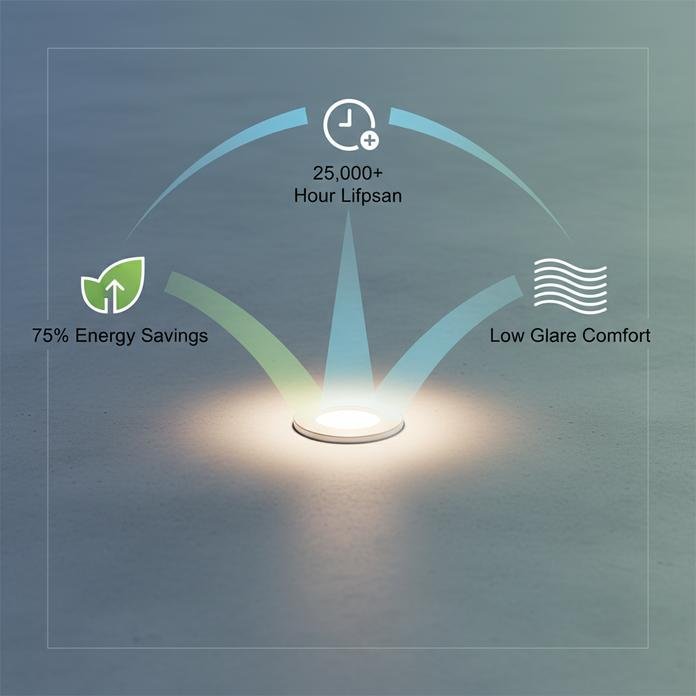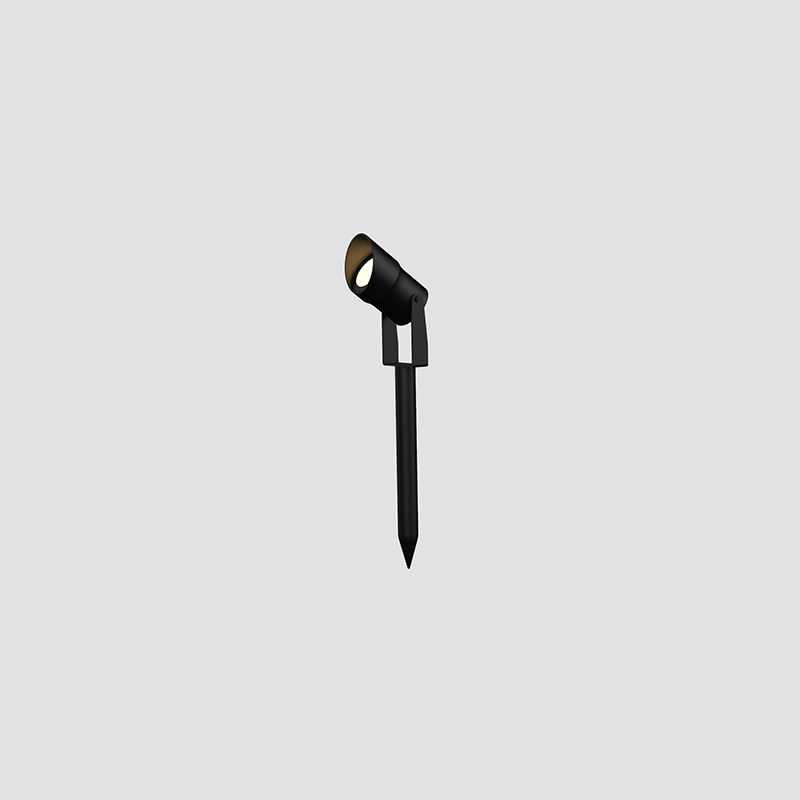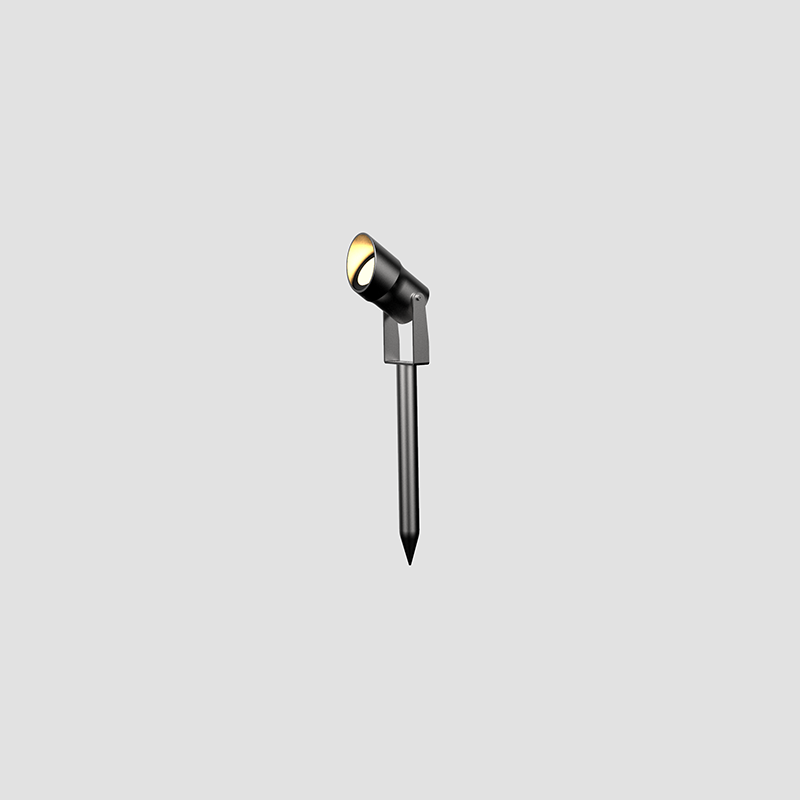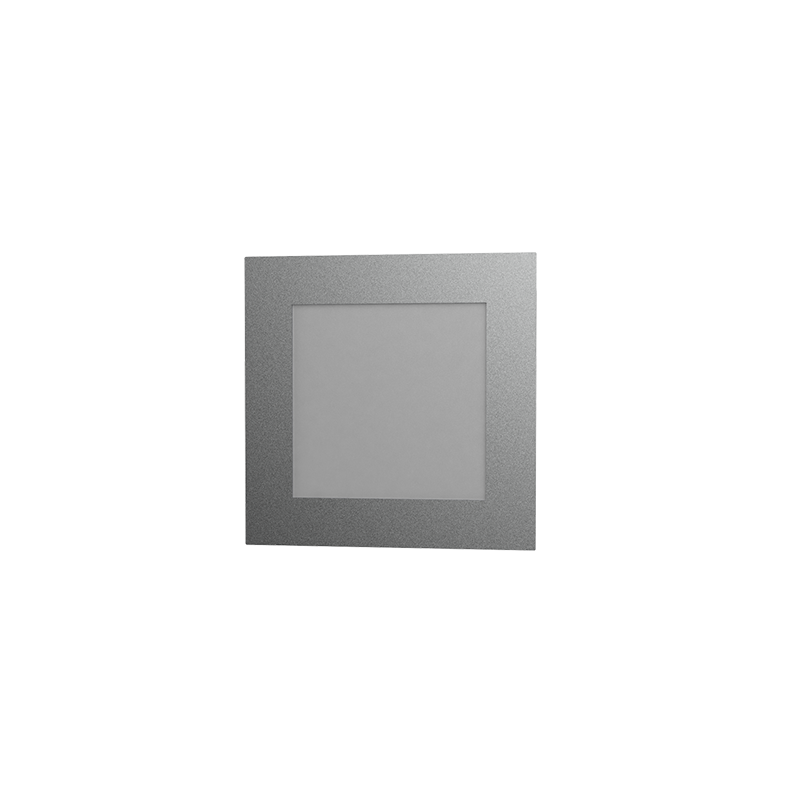
When lawnmowers strike, only tough In-Ground Lights survive—built for beauty, impact, and profit. Light up durability that sells big.
You drop a fortune on In-Ground Lights, picture-perfect across your lawn—and then the mower shows up like a bull in a china shop. One wrong turn and crunch. That low-profile glow you paid extra for? History. It’s the homeowner’s version of stepping on a LEGO, but with dollar signs attached.
Mowers aren’t out to destroy your investment—they’re just doing their job. But so are you: making sure these lights don’t crack under pressure (literally). “Impact resistance isn’t optional anymore—it’s survival,” says Dana L., senior systems engineer at MG Lighting, during an April 2024 product release in Austin. “We design every fixture assuming it’ll meet a lawnmower someday.”
So here we go—real talk about placement hacks, unbreakable builds, and slick tech that keeps things glowing and growing without turning into monthly repair bills.
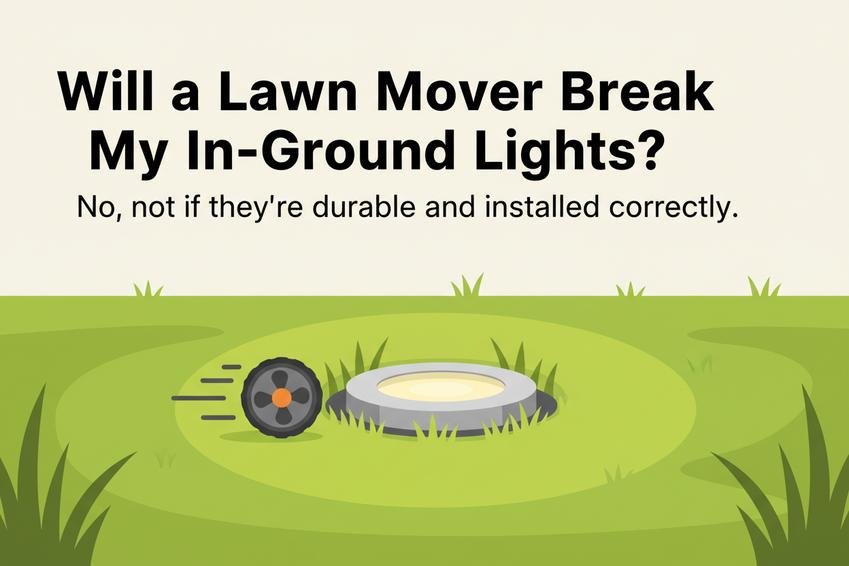
Can Mowers Damage In-Ground Lights?
Even the toughest lawns can hide threats to your lighting setup. Here’s what keeps your in-ground lights safe when mowers roll through.
Why Impact Resistance Matters in In-Ground Lighting
To keep your ground lights working season after season, impact resistance isn’t just nice—it’s essential.
1. Physical Threats from Lawn Equipment
- Mower blades can clip the edge of a fixture.
- Debris like stones or twigs get flung with force.
- Wheels may press directly on the lens or housing.
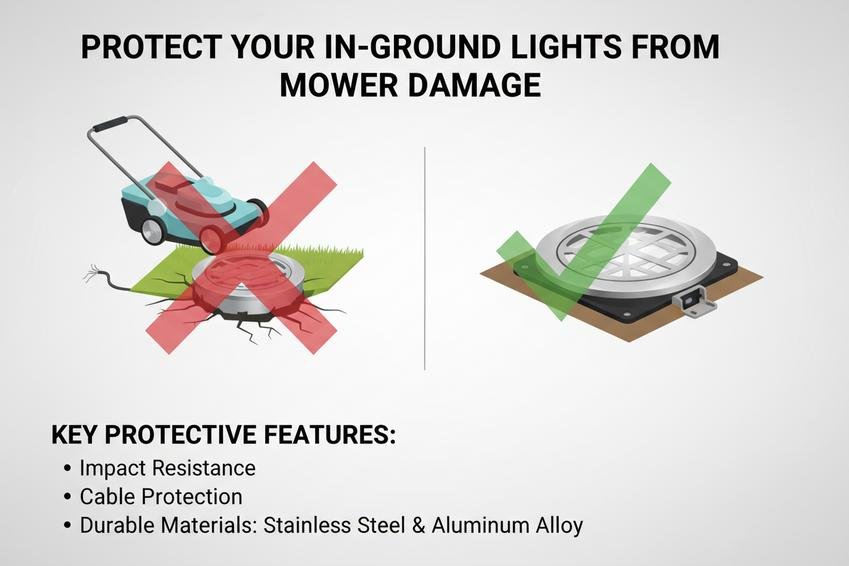
2. Material-Based Protection
- Tough lenses like shatterproof glass help absorb direct hits.
- Reinforced protective housing, often made of metal, prevents cracks or breaks.
- Sub-materials include:
- Tempered glass for high-pressure zones
- Polycarbonate for flexibility under stress
- Sub-materials include:
3. Design Features That Help
- Recessed installation reduces exposure.
- Flush-mount fixtures avoid standing above grass level.
- Slim profiles lessen surface area vulnerable to impact.
When MG Lighting engineers their fixtures, they focus on high-endurance materials and smart design that take real-world abuse into account—because durability isn’t optional when you’re up against machines built to cut.
Are Low Voltage Lights Safe from Mower Damage?
Low voltage setups are safer electrically—but that doesn’t mean they’re indestructible when mowers show up.
• Lower voltage = less risk of electric shock if wires are exposed
• Still, exposed cables can be sliced by sharp mower blades
1) Cable Protection Is Key
• Use conduit or bury wires deep enough to avoid accidental cuts.
2) Fixture Placement Strategy
• Keep units away from mower turning points or tight corners where wheels veer wide.
3) Don’t Forget the Transformer
• Place it well out of harm’s way—behind shrubs or near walls is ideal.
While low voltage adds safety, only rugged builds and smart placement will keep those lighting fixtures shining through every mow session.
How Stainless Steel and Aluminum Alloy Protect Lights from Lawn Equipment
Durability isn’t just about strength—it’s about surviving weather, rust, and gear like mowers over years of use.
A. Material Advantages
| Material Type | Corrosion Resistance | Strength Rating | Maintenance Needs |
|---|---|---|---|
| Stainless Steel | Excellent | High | Low |
| Aluminum Alloy | Good | Medium-High | Very Low |
| Plastic Housing | Poor | Low | High |
B. Real-Life Application Scenarios
- For wet climates: Go stainless steel—its superior corrosion resistance means no rust rings around your patio.
- For dry but rocky soil: Aluminum alloy balances toughness with lighter weight for easier install without sacrificing much in terms of protection.
- For budget installs: Avoid plastic unless you’re okay with replacing them every year or two after mower damage wrecks them.
MG Lighting uses both materials across its premium lineups because they know what you’re up against—rainstorms, kids playing soccer nearby, and yes… lawnmowers that don’t care what’s underfoot.
Each material choice supports long-term performance while keeping your yard looking clean and lit all year round.
Types of Mower-Safe In-Ground Lights
Choosing the right kind of in-ground lights can make or break your lawn’s safety game—especially when mowers are involved.
Choosing Weatherproof In-Ground Lights for Lawn Safety
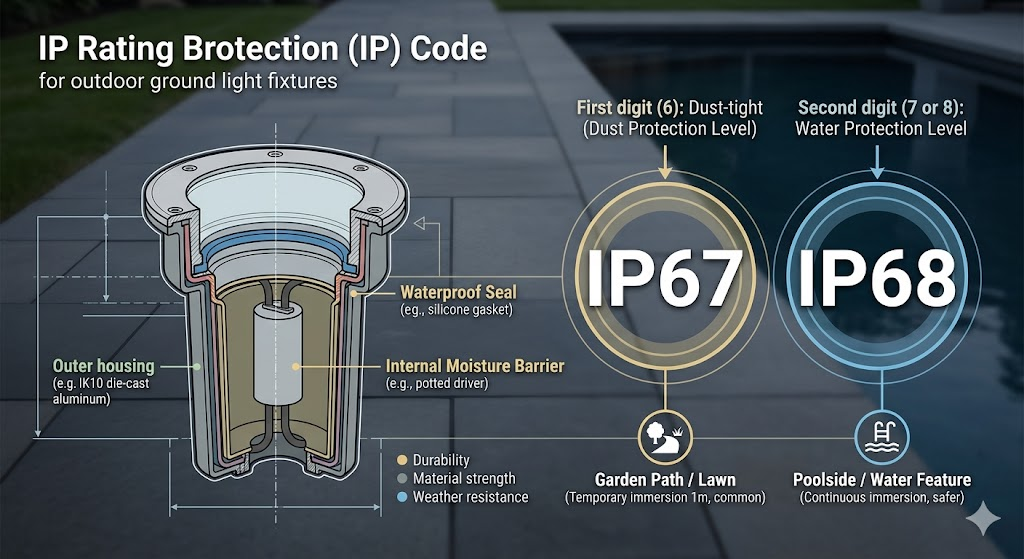
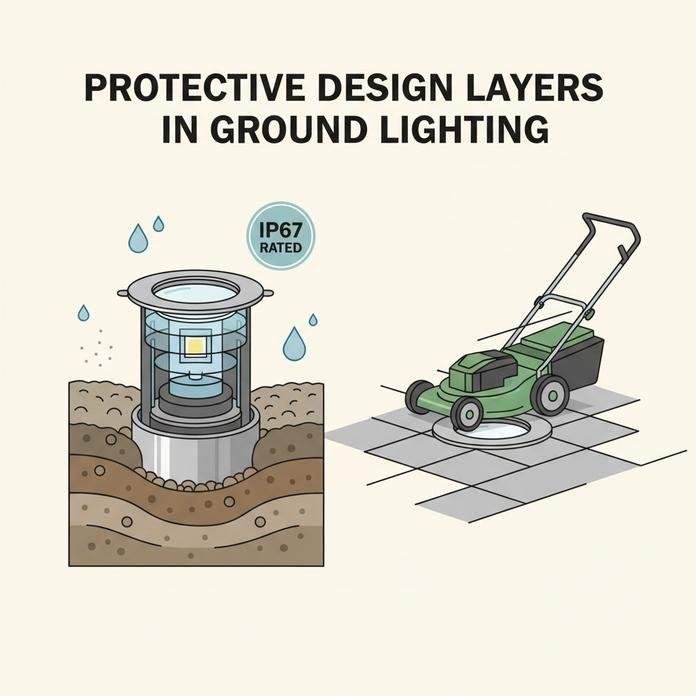
Keeping water out is a big deal. Moisture sneaks in and ruins wiring, bulbs, and everything in between. That’s why weather resistance and a solid IP rating matter so much with in-ground lighting.
- Look for lights with sealed enclosures to ensure strong moisture protection
- An IP67 or higher waterproof rating gives peace of mind during storms
- Durable materials help withstand harsh environmental factors
MG Lighting offers models that combine high-grade seals with long-term outdoor durability, keeping your lawn lit without shorting out.
Solar-Powered In-Ground Lights: Low Impact on Mowers
No wires? No problem. Solar-powered options keep things simple for mower movement while still delivering solid brightness.
- Powered by efficient photovoltaic cells
- Stores energy using a compact, built-in rechargeable battery
- Installs easily thanks to its fully wireless installation
Because they’re low-profile and operate on low voltage, these fixtures stay out of the way and reduce mower snags.
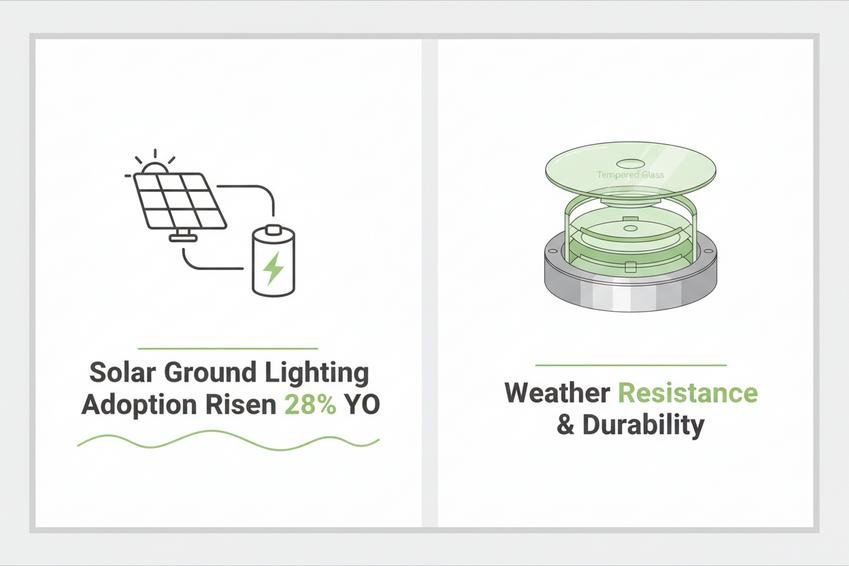
According to a 2024 report by Clean Energy Insights, “Solar ground lighting adoption has risen 28% year-over-year due to increased demand for safe, wire-free yard solutions.”
The Durability of Fiber Optic In-Ground Lights
You want lights that last, especially when mowers rumble over them weekly. That’s where fiber optic designs shine—literally.
☼ Light travels through flexible fiber optic cable, not bulky bulbs
☼ Remote light sources mean zero heat near the fixture
☼ Built-in flexibility improves overall impact resistance
These systems offer a sleek solution with almost zero maintenance needs over time.
Benefits of Corrosion-Resistant Tempered Glass Covers
The outer shell matters just as much as what’s inside. A top-tier cover means fewer cracks and better protection from mower blades.
• Made from thick, toughened tempered glass
• Offers strong corrosion resistance, even in wet climates
• Shields internal parts while staying practically invisible
Plus, the added bonus? Scratch-proof surfaces maintain clarity season after season—something MG Lighting gets exactly right with its premium builds across all their recessed lawn fixtures.
By combining smart design choices like these—from solar convenience to rugged materials—you’ll keep your outdoor space glowing without sacrificing mower safety or style.
Protective Design Layers in Ground Lighting
Durability isn’t just about toughness—it’s about smart design. Here’s how the right build keeps your in-ground lights working longer.
IP67 Rated In-Ground Lights: The Ultimate Protection
• Built to be tough, IP67-rated units are fully sealed—no water, no dust, no drama.
- These fixtures handle full submersion up to a meter deep for 30 minutes without skipping a beat.
- They’re also completely dustproof, thanks to their tightly sealed enclosures.
☑️ That means zero internal corrosion and fewer maintenance calls.
MG Lighting’s models use advanced materials that resist UV damage and thermal shock, making them ideal for high-traffic driveways or poolside installs where splashes are common.
You’ll get long-term value because the weather resistance is off the charts—rainstorms, sprinklers, even snowmelt won’t faze them.
And when you’re mowing the lawn? No worries. These lights are built with serious durability in mind so you won’t accidentally destroy your investment.
How Flush Mount and Recessed Designs Enhance Durability
A flush or recessed setup doesn’t just look sleek—it adds real-world protection too:
A. Primary Benefits
- Sits at exact ground level = zero tripping hazard.
- Blends into hardscapes = better visual flow.
- Reduces exposure = less wear from foot traffic and rolling tires.
B. Functional Impact
- Flush-mounting keeps fixtures below mower blade height.• Prevents chips and cracks from accidental strikes.• Minimizes vibration damage over time.
- Recessed placement shields edges from direct impacts.• Enhances long-term fixture integrity.• Preserves lens clarity by limiting scratches.
C. Integrated Fixture Protection
i) Designed with built-in gaskets that absorb shocks
ii) Mounted using anti-vibration brackets
iii) Often paired with stainless steel trims for added surface strength
MG Lighting engineers all this into their builds—so your outdoor lighting doesn’t just shine bright; it lasts longer too.
By combining smart design like flush mounting, rugged materials, and thoughtful installation methods, these setups offer unbeatable impact resistance while looking clean as heck on any patio or pathway.
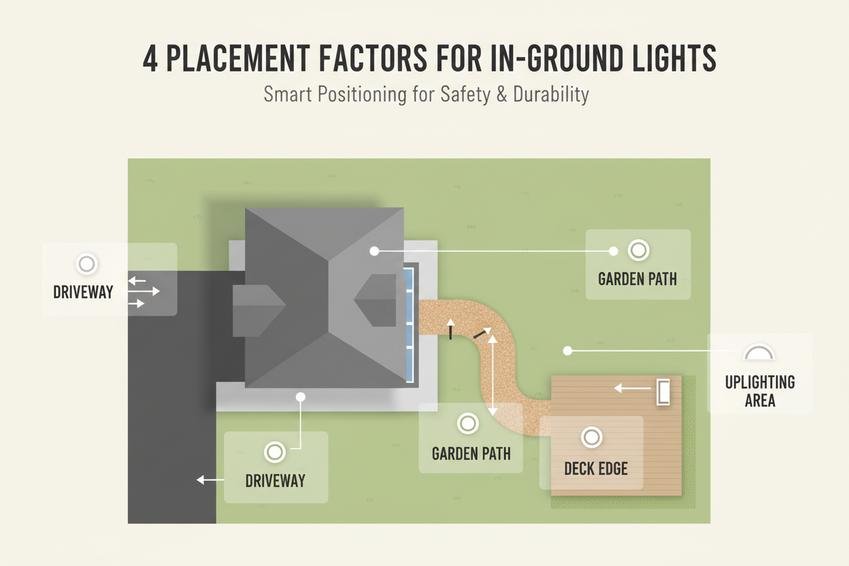
4 Placement Factors for In-Ground Lights
Getting your in-ground lights placed right isn’t just about looks—it’s about safety, durability, and making your yard work with you, not against you.
Driveway Illumination: Balancing Light Output and Mower Safety
To get the most out of driveway lighting, you’ve gotta think smart about where those fixtures go. Here’s how:
- Fixture height and placement matter:
- Keep them flush with the ground to avoid tripping or mower damage.
- Choose low-profile models that sit below tire level.
- Beam angle makes a difference:
- Use wide beam spread optics to light more area with fewer units.
- Avoid narrow beams that create glare or blind spots near cars.
- Edge positioning strategy:
- Set lights slightly off the main drive path.
- Align with landscaping borders to double as visual guides at night.
This combo keeps your driveway lit without turning it into a mower obstacle course.
Landscape Integration: Protecting Lights While Beautifying Your Lawn
When you’re placing landscape lighting, it’s all about blending function with form. Here’s what works:
- Near hardscapes like stone paths or edging—these offer natural protection.
- Nestled beside shrubs or tall perennials to use plants as soft shields.
- Avoid high foot traffic zones where kids, pets, or mowers roam freely.
Layer these placements with durable materials and you’ll boost both lawn aesthetics and fixture longevity. Smart positioning means less maintenance—and fewer broken lenses from rogue mower blades hitting unprotected lights.
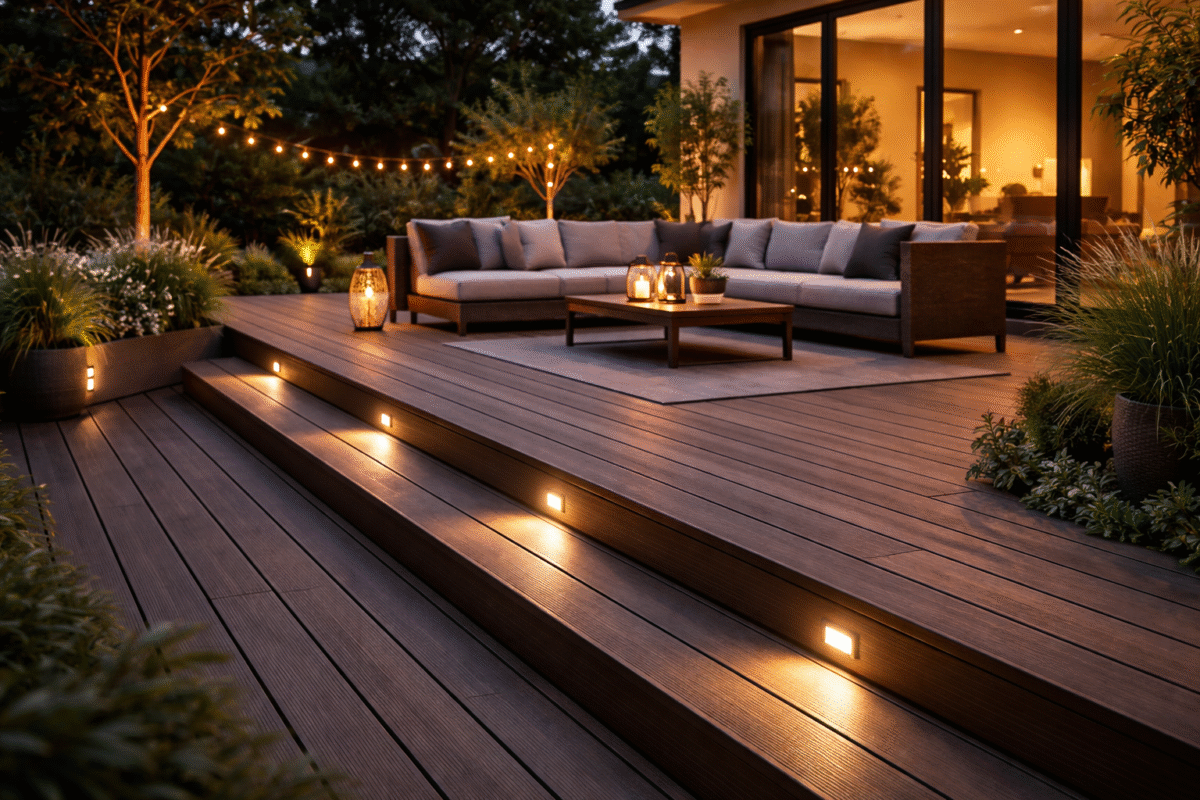
Deck Lighting: Placement Techniques for Mower-Friendly Installations
Decks demand clever thinking when it comes to installing deck lighting, especially around grassy edges. Here’s how to stay mower-safe:
- Use recessed fixtures along deck skirts—flush-mounted lights avoid sticking up where mowers can snag them.
- Stick close to the deck’s perimeter but keep some clearance so grass doesn’t overgrow the lens.
- Ensure proper installation depth so fixtures don’t shift after seasonal soil movement.
- Opt for sealed designs that resist moisture if your deck runs close to sprinklers or wet zones.
That way, you get gorgeous ambient glow without worrying every time someone fires up the mower nearby.
Uplighting Considerations: Positioning for Maximum Protection
Uplights are tricky—you want drama without drama from busted bulbs. Good news? There’s a sweet spot between bold design and smart protection:
• Angle beams upward toward tree trunks or walls—this enhances visual impact while keeping light away from mower paths.
• Tuck fixtures behind dense foliage when possible; this adds a layer of shielding using natural elements like bushes or mulch beds.
• Go deeper—bury part of the housing below grade level for added resistance against kicks, bumps, and mowing gear.
“Outdoor lighting installations exposed to routine yard maintenance need recessed anchoring systems rated at least IP67,” noted in a recent 2024 report by Outdoor Safety & Design Journal.
Protective placement doesn’t mean hiding your light—it means letting it shine longer without constant repair calls.
In-Ground Lights vs. Path Lamps
A quick peek into how in-ground lights and path lamps compare on durability, light spread, and mower-friendly design.
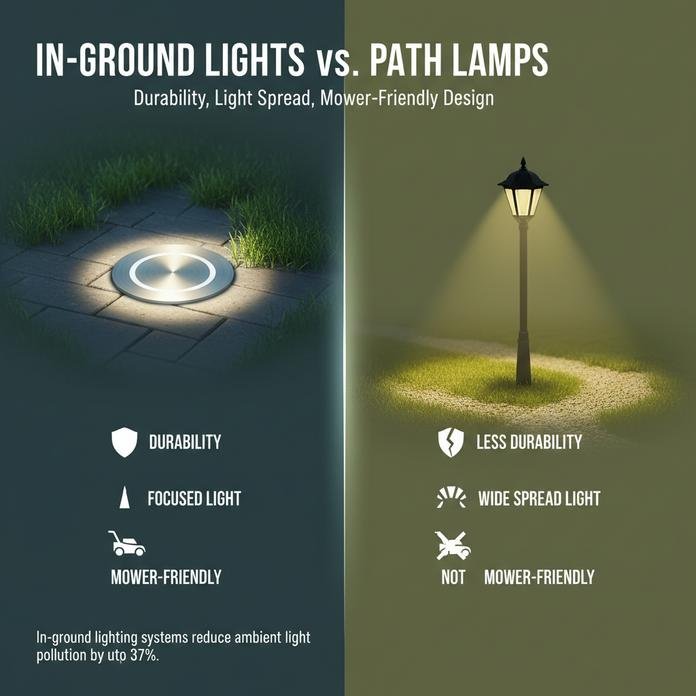
In-Ground Lights vs. Path Lamps: Durability and Longevity
When it comes to getting banged up by weather or foot traffic, in-ground lights usually take the win.
- Fixture materials in in-ground designs are often stainless steel or cast brass—tough stuff that resists corrosion.
- Direct ground contact shields these fixtures from wind-borne debris, unlike tall path lamps.
- Path lamps may wobble over time due to poor vibration tolerance, especially in high-traffic zones.
- Maintenance-wise, path lamps need more frequent bulb changes due to their exposed build.
- In contrast, most modern recessed fixtures boast a 50,000+ hour lifespan, especially with LED modules.
- Their low-to-no profile also reduces risk of physical damage from pets, kids, or garden tools.
✱ Harsh winters? No problem for sealed in-ground units with high weather resistance and impact-tested lenses.
Long story short: if you’re after something that can take a beating without constant upkeep, go recessed. These things are built like tanks but shine like stars.
Light Distribution Differences: Path Lamps vs. In-Ground Lighting
The way each fixture throws light totally changes how your space feels at night.
• Path lamps shoot out a wide beam—great for walkways but not so hot for mood lighting.
• Recessed options focus beams upward or outward with minimal glare thanks to tight beam angle control.
• You’ll notice fewer weird shadows or uneven spots since they avoid those annoying hot spots common with cheap spike lights.
According to the 2024 IES Outdoor Lighting Performance Report: “In-ground lighting systems reduce ambient light pollution by up to 37% compared to traditional upright fixtures.”
Multiple styles exist too—some offer soft uplighting under trees; others give you clean perimeter glows along concrete edges using smart lensing for better glare reduction.
It’s all about choosing your vibe: broad visibility versus sleek accents.
Which Lighting Technology Is Better for Mower-Safe Installations?
Mowers and tall light fixtures? Not exactly best friends. That’s where low-profile recessed units shine—literally and figuratively.
- Start with the basics: use LED-based setups with solid-state drivers—they’re energy-efficient and practically immune to vibration damage.
- Choose models with flush-mounted housings and reinforced glass tops; these provide excellent protection against blunt force hits.
- Make sure wiring is tucked beneath soil layers inside conduit tubes for full-on wiring protection.
- For extra safety, go with models featuring polycarbonate lenses rated as fully shatterproof, just in case you hit them while trimming edges.
Now group that all together:
- ✅ Low-profile = no snagging
- ✅ Deep-set install = mower-safe
- ✅ Durable housing = long-term peace of mind
These underground champs combine smart design and ruggedness so you don’t have to worry every time you mow near your patio lights—or let the kids run wild outside again.
Lawn Mowing: Protecting In-Ground Lights
Keeping your in-ground lights safe during mowing isn’t just smart—it’s necessary. Here’s how motion sensors and timers can help you avoid costly mishaps in the yard.
How Motion Sensors Can Prevent Mower Accidents with In-Ground Lights
- Motion sensors detect movement from a mower and can temporarily shut off light activation, avoiding heat buildup that might damage the lens or housing.
- Most models allow you to adjust the detection range, so they only trigger when needed—no false alarms from wind-blown leaves.
- Some systems even include built-in safety features that alert you when a mower gets too close, helping protect both the fixture and your blades.
- A mower approaches → sensor detects movement.
- The system disables nearby in-ground lights instantly.
- Once motion stops, lights resume their normal function.
💡 Smart placement of these sensors, especially near high-traffic turf zones, adds a layer of automatic protection without requiring constant attention.
According to a 2024 report by Outdoor Tech Insights, “Integrating motion-triggered lighting systems into landscaping has reduced accidental fixture damage by up to 38% in residential areas.”
Timer Functions: Automatically Managing Lawn Lighting and Mower Interference
Timers are like quiet guardians for your yard setup—they manage when your lawn lighting goes on or off without needing manual input.
- Set schedules to keep lighting cycles outside of mowing hours—early morning or late evening works great.
- Use weekly programming features to adapt around weather delays or seasonal changes.
- Avoid unnecessary energy use while preventing any chance of mower-related breakage due to active fixtures.
1️⃣ Choose preferred lighting times based on typical mowing windows.
2️⃣ Program timer settings using built-in controls or mobile apps.
3️⃣ Sync with smart home devices for even smoother automation.
This hands-off approach helps prevent accidental contact between mowers and delicate low-profile fixtures like in-ground lights, especially ones installed flush with grass lines where visibility is low.
FAQs about In-Ground Lights
How do in-ground lights survive contact with lawn mowers?
Built for battle against blades:
- Stainless steel housings hold their form under sudden knocks.
- Tempered glass covers shield the light core from flying debris.
- Flush mount profiles keep edges low, so mower paths glide over without catching.
Why is IP67-rated protection important for outdoor walkway lighting?
An IP67 seal guards each fixture like armor—dust stays out, water slides away—allowing LED or Solar-powered units to glow steadily through rain showers and irrigation sprays around pathways and driveways.
Which materials thrive longest in wet lawns and busy public spaces?
Endurance comes from nature’s strongest allies: stainless steel resists corrosion year after year; aluminum alloy keeps weight down but stands firm against impact; tempered glass preserves elegance while deflecting hazards in parks or landscaped plazas.
Can timers cut costs for large-scale recessed lighting near landscapes?
Yes—timer functions are quiet caretakers of efficiency: lights rest during the day, wake at dusk, and pause during mowing hours; across dozens of fixtures this disciplined rhythm saves both energy and maintenance effort.
How does placement influence mower safety without dimming uplight beauty?
Shift installations just beyond cutting strips; angle beams toward trees or architecture so lumens dance where they’re wanted while lenses stay safe—protecting brilliance as well as the investment itself.