Why Lumens Matter for Your Outdoor Steps
You want your steps to look great and keep everyone safe at night. Most outdoor step lights work best between 12 and 100 lumens. If you’re after extra safety, aim for 50 to 200 lumens instead. The right brightness helps you see each step clearly while adding some serious style to your home. When you use outdoor solar step lights, picking the right lumens makes a huge difference.
Key Takeaways
- Stick with 12 to 100 lumens for most outdoor step lights. That’s enough to help people see and stay safe. Want more safety? Go with 100 to 200 lumens. This is especially good for older adults or little kids.
- Try out different lumen levels to find what works best for your space. Pick the brightness that fits your style and needs.
- Place your lights in the right spots. Space them 4 to 6 feet apart for even light and better safety.
- Clean your lights regularly and check for damage. This keeps your outdoor solar step lights bright and working like they should.
Why Lumens Matter
Safety Benefits
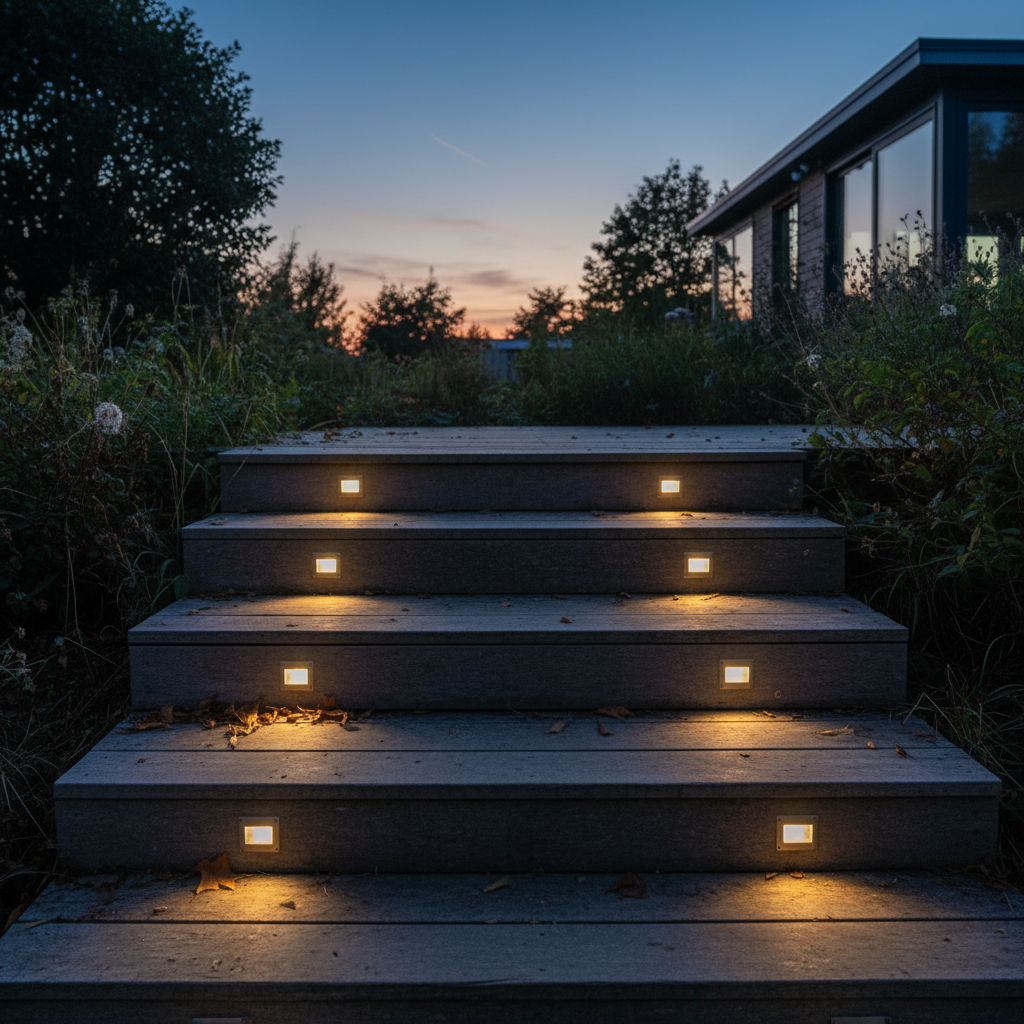
Nobody wants to trip on their outdoor steps. The right amount of lumens helps keep you safe. Enough light lets you see each step and avoid a nasty fall. Studies show that good lighting lowers your chance of slips and trips. Plus, you’ll see way better when you’re coming home after dark.
Check out this table. It shows what the experts say about lighting and safety:
|
Evidence Description |
Findings |
|---|---|
|
Importance of Adequate Lighting |
Good lighting lowers slip and fall risks. It also helps you see better when going in or out. |
|
Recommended Illuminance Levels |
The IES says 100–200 lx is best for work areas. This means steps need enough light for safety. |
|
Comparison of Luminaires |
Area luminaire-1 worked best for extra lighting. This shows that the right design makes steps safer. |
You don’t need your steps to be blindingly bright. You just need enough light to see clearly. Most step lights work fine with 12 to 100 lumens. For extra safety, you can bump it up to 200 lumens. This range helps you and your guests feel safe every time you use the steps.
Tip: If your steps are wide or uneven, use brighter lights or add more fixtures for better coverage.
Visual Appeal
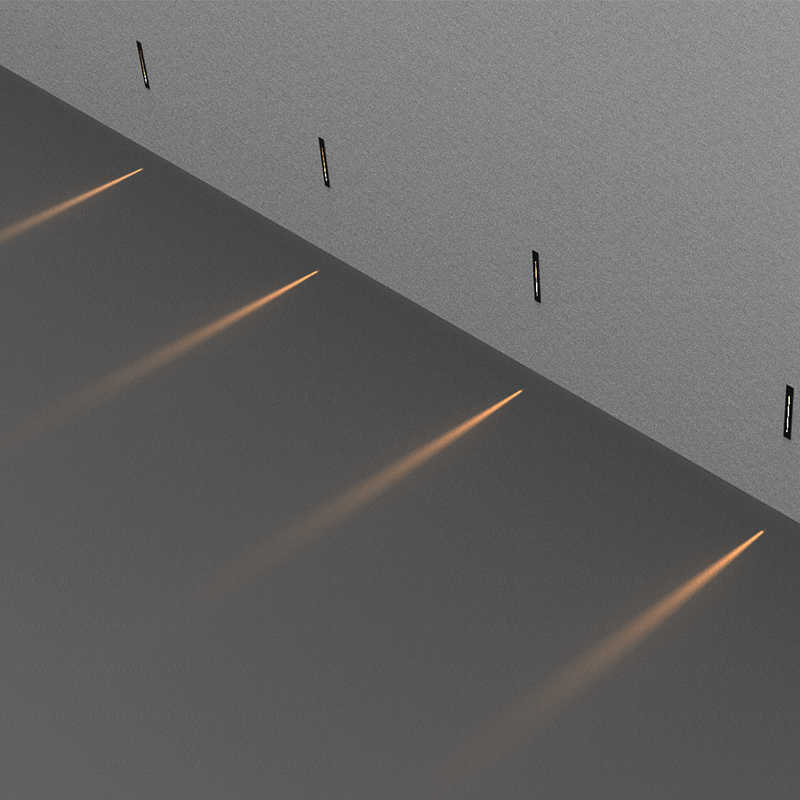
Step lights do more than just keep you safe. They also make your outdoor space look good. The right lumens create a warm, inviting vibe. Your steps can either have a soft glow or a bold, dramatic look.
- Step lighting is key for safety. It lights up areas to stop trips and falls.
- These lights usually need 12 to 100 lumens, depending on your step size.
- Good step lights make your space safer and boost its appearance.
You can pick lights that match your style. Take the STB16 Integrated Brass Step Light, for example. It’s made of solid brass with an integrated LED. That design keeps your steps looking sharp and working well. Placing lights in the right spots shows off your yard and house. Your home will feel welcoming after dark.
Note: Try different lumen levels to see what works best. Sometimes, a softer light beats a super bright one.
Recommended Lumen Range
Optimal Lumens for Steps
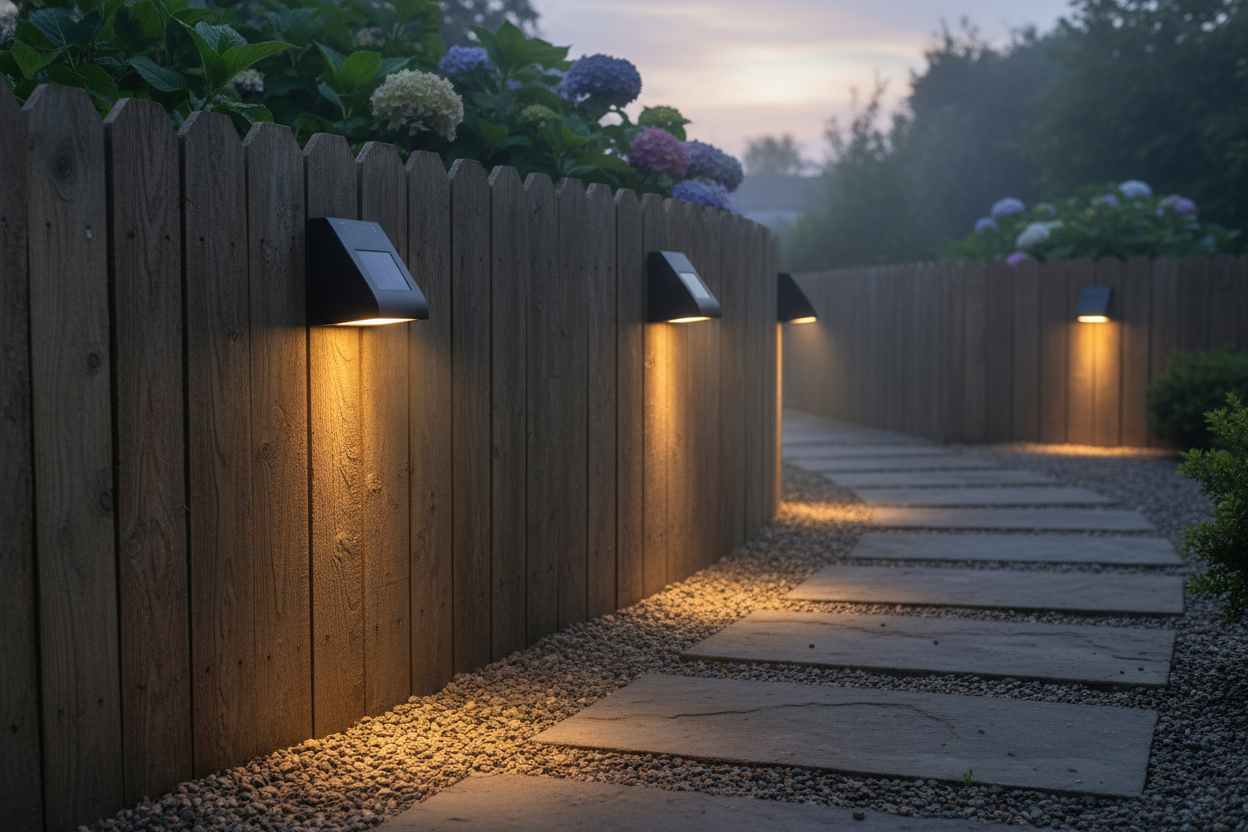
You want your steps to feel safe and look great. The right lumen range makes a big difference. For most homes, you only need 12 to 100 lumens per step light. That range gives you enough light to see where you’re going without making your steps too bright or harsh.
If safety’s your top concern, you can go with brighter lights. Safety-focused step lights usually work best between 100 and 200 lumens. These help you see every edge and corner, even in the darkest spots. You might want that extra brightness if you’ve got older family members, kids, or lots of guests around.
Some spots need even more light. High-traffic areas or special-needs steps sometimes use step lights with up to 100 lumens each. You’ll see these in busy public spaces or commercial buildings. Most homes don’t need that much, but it’s good to know your options.
Tip: Start with lower lumens if you want a cozy feel. Go brighter if you’re focused on safety.
Lumen Reference Table
Use this table to dial in the right brightness for your steps. It breaks down the best lumen range for different needs:
|
Type of Lighting |
Recommended Lumens Range |
|---|---|
|
Decorative Step Lights |
12-100 |
|
Safety-Focused Installations |
100-200 |
|
High-Traffic or Special Needs |
Up to 100 |
Want your steps to pop and look sharp? Stick with 12 to 100 lumens. More worried about safety? Go with 100 to 200 lumens. For high-traffic areas or special setups, you can push up to 100 lumens per light. Most folks find that 50 to 200 lumens hits the sweet spot for outdoor safety.
Note: You don’t need the brightest lights on every step. Try a few different levels and see what fits your space and style best.
Factors That Affect Lumen Choice
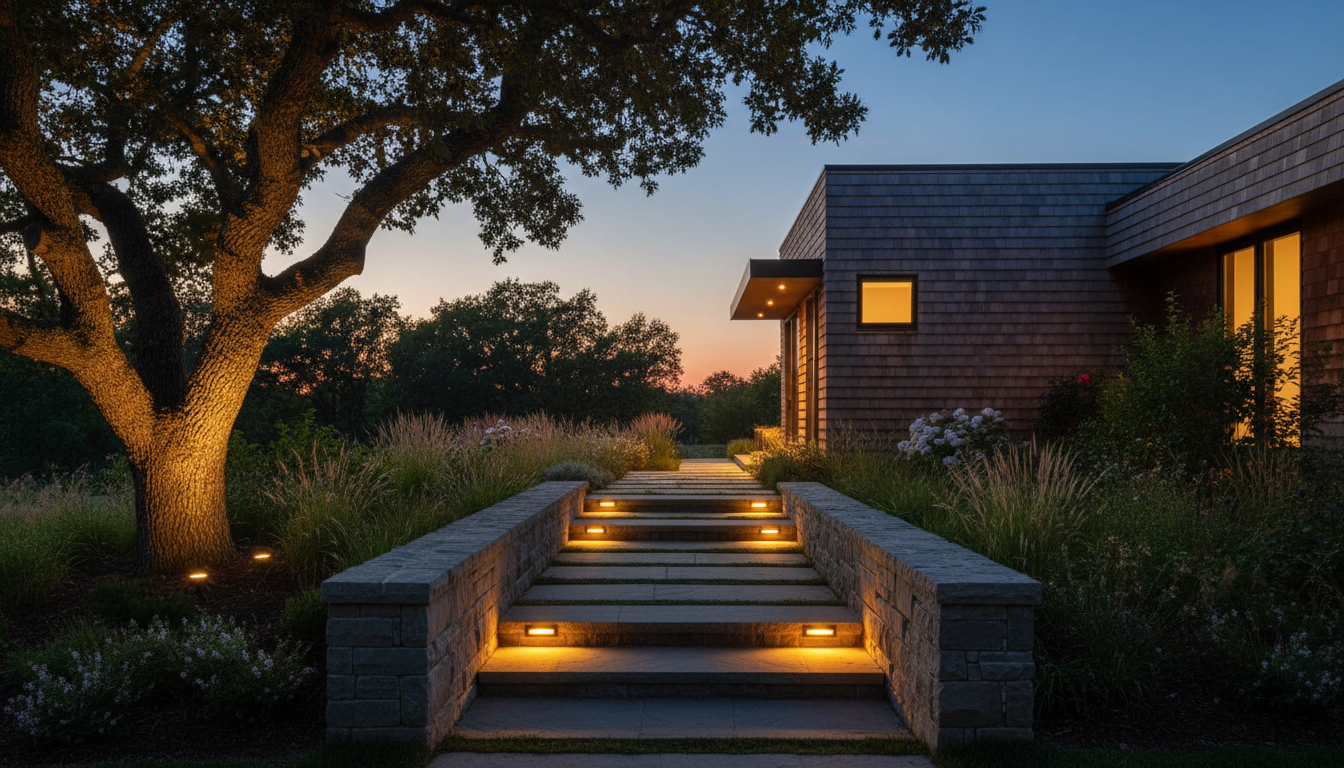
Step Size & Spacing
When you’re picking step lights, think about your step size and how far apart they are. Bigger steps need more light so you can see every edge clearly. Smaller steps can get away with less light and still look great. Here’s what to keep in mind:
- If your steps are close together, shielded riser lights with lower lumens (around 12) work well. They help cut down on glare.
- Placement is key. You want each step to get enough light so no one misses a step.
- Spacing lights 4 to 6 feet apart keeps your steps bright and safe. This distance helps you avoid dark spots and gives a clean look.
- Mounting lights along railings or on every other step also works. You’ll get enough light to walk safely.
Tip: Try spacing your lights 4 to 6 feet apart for a balanced look and better safety.
Ambient Light
Take a look at how much light is already hitting your steps. If you’ve got streetlights or porch lights nearby, you might not need super bright step lights. Darker areas need more lumens so you can see clearly. Always check your space at night before you decide on your lights.
Desired Effect
Think about the vibe you’re going for. Do you want your steps to have a soft glow or really stand out? For regular pathway lighting, you’re usually looking at 100 to 300 lumens. Security lights? Those can hit 700 lumens or more. If you’re aiming for a cozy, summer-night feel, go with softer lights. When winter rolls around and safety is key, you’ll probably want something brighter. Keep in mind, things like trees, buildings, and even the season can change how bright those steps actually look.
- Use more lumens when safety and visibility are the priority.
- Use fewer lumens for a soft, welcoming mood.
- Adjust brightness if you’ve got a lot of trees or walls nearby.
Note: Your lighting can shift with the seasons. Try brighter lights in winter and softer ones in summer.
Location Considerations
Where you put your step lights makes a huge difference. Check out this table to see what matters:
|
Factor |
Description |
|---|---|
|
Surrounding Light |
More ambient light means you need fewer lumens. Dark spots need more. |
|
Purpose |
Task lighting needs more lumens. Accent lighting needs less. |
|
Size |
Bigger areas need more light. Smaller spaces need less. |
|
Reflectivity |
Shiny surfaces bounce light, so you can use lower lumens. |
|
Desired Ambiance |
Soft mood? Use lower lumens. Need visibility? Go higher. |
|
Personal Preference |
Pick the brightness that feels right for you. |
Remember, your space is unique. Test out different lights to find what works best for you.
Choosing the Right Lumens
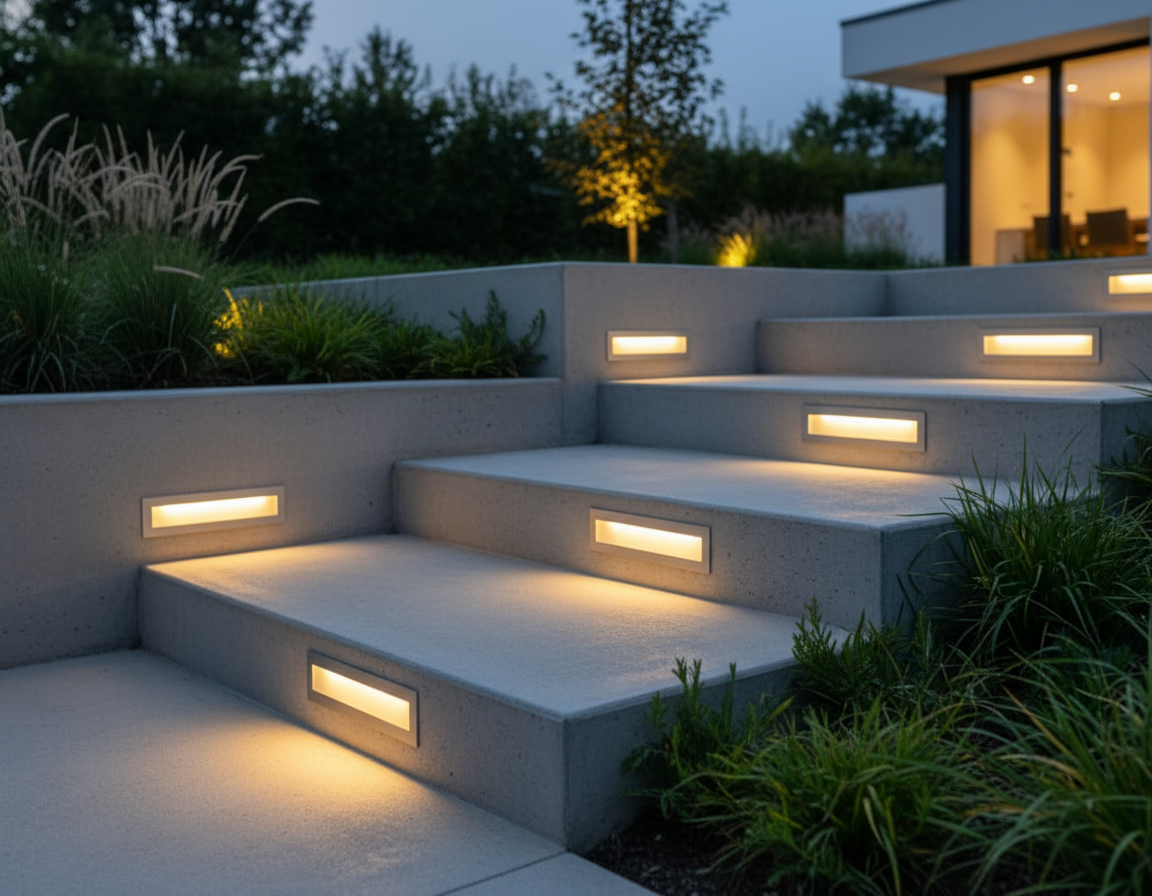 Picking the right brightness for your outdoor steps can feel a bit tricky, but you’ve got this with a simple plan. Here’s how to find the perfect lumens for your space.
Assess Your Space
Start by taking a good look at your steps and the area around them. Ask yourself a few questions:
- What do you want your lights to do? Is it for safety, showing off your steps, or just making things look nice?
- Will you use the steps for other stuff, like sitting or decorating?
- Are there any features nearby, like ponds or statues, that you want to highlight or keep safe?
You can also use this table to see what experts recommend for step lighting:
|
Outdoor Area |
Recommended Lumens |
Purpose or Additional Notes |
|---|---|---|
|
Steps |
100 |
Minimum for good visibility, but adjust for your environment |
Look at your steps at night. Notice if streetlights or porch lights are already helping out. If your steps are in a dark spot, you’ll probably need more lumens.
Match Lumens to Needs
Now let’s match brightness to what you’re actually trying to do. If you want a cozy, welcoming vibe, stick with lights on the lower end—think 12 to 50 lumens. For safety, especially if you’ve got kids or older folks around, go higher, like 100 or even 200 lumens. Keep in mind how wide and deep your steps are. Bigger steps need more light to really work.
Tip: You don’t have to use the same brightness everywhere. Mix and match to get the look and safety you’re after.
Test and Adjust
Before you install everything, test a few options first. Try these methods:
- Use a light meter to check how bright your steps are at night.
- Try photometric software if you want to see how the light will spread.
- Check your energy use with a power meter, especially if you’re using lots of lights.
Move your lights around and try different brightness levels. Step back and see how your steps look and feel. Keep adjusting until you find that perfect balance of safety and style. Sometimes a small change makes a huge difference!
Outdoor Solar Step Lights: Lumen Guide
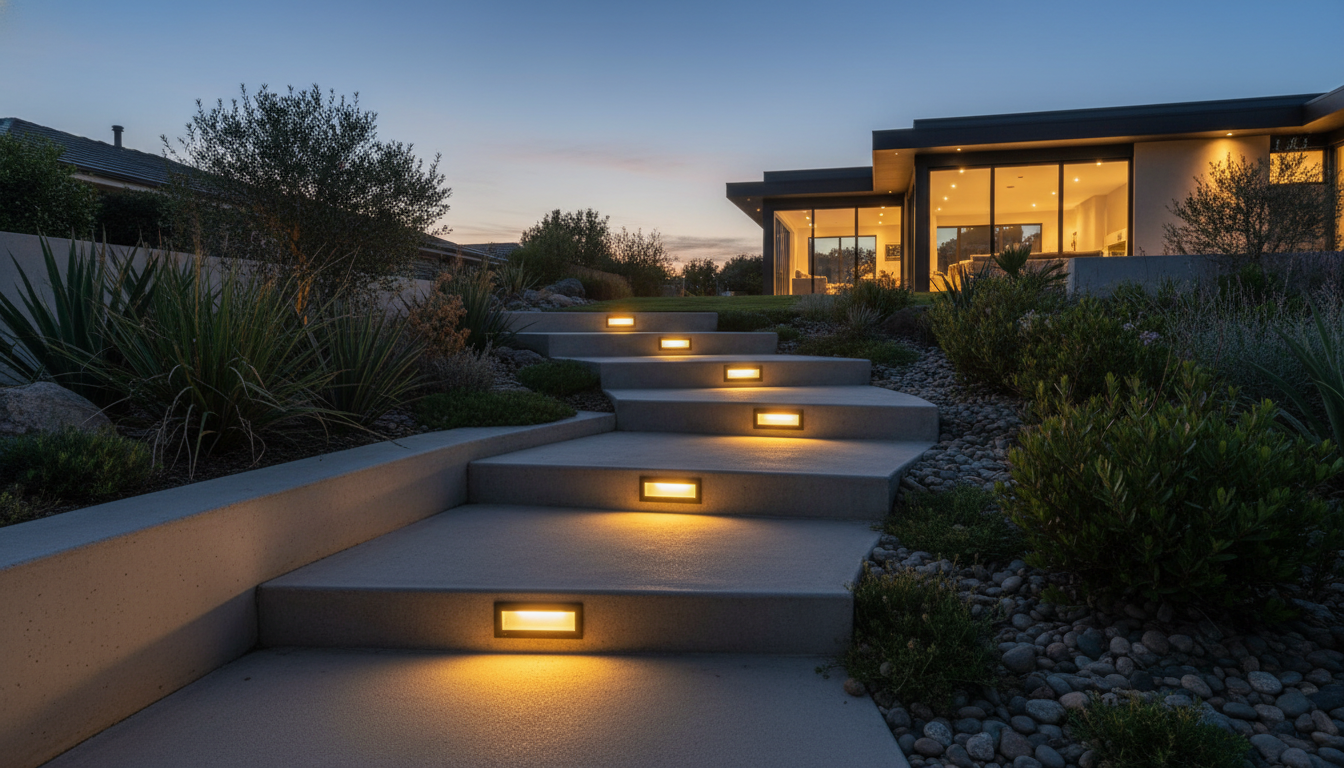
Solar vs. Wired Options
When you’re checking out outdoor solar step lights, you might wonder how they stack up against wired step lights. Both have their own strengths. Solar lights use the sun’s energy, so you don’t have to worry about wiring or finding an outlet. You can install them just about anywhere. Wired lights connect to your home’s power, so they shine bright every night, no matter the weather.
Here’s a quick table to help you see the differences:
|
Feature |
Solar Step Lights |
Wired Step Lights |
|---|---|---|
|
Brightness |
Usually lower than wired options |
Brighter and more consistent |
|
Reliability |
Depends on sunlight and weather |
Works every night, rain or shine |
|
Installation |
Easy, no wires needed |
Needs wiring and sometimes a pro |
If you want easy setup and no extra costs, outdoor solar step lights are a solid choice. If you need the brightest light for safety, wired lights might work better for you.
Tip: Place solar lights where they get lots of sun during the day. That helps them shine brighter at night.
Lumen Output for Solar Lights
You might be wondering, “How bright are outdoor solar step lights?” Most of them fall somewhere between 20 and 200 lumens. Budget-friendly models usually sit at just 20 lumens, which is fine if you’re just going for decoration. On the other hand, high-end solar caps can hit 100 to 200 lumens each. When you use a few together, they can light up your steps like a 60-watt bulb.
Here’s a quick table to help you get a feel for those lumen ranges:
|
Type of Light |
Lumen Output Range |
|---|---|
|
Solar Post Caps |
20 – 200 lumens |
|
High-end Solar Caps |
100 – 200 lumens |
|
Pathway Lights |
100 – 300 lumens |
Wired LED step lights tend to pump out more light. Since they don’t rely on the sun, they’re great for shady spots or cloudy days. That said, outdoor solar step lights can still be bright enough for most homes, especially if you install more than one.
Note: For the best results, put your outdoor solar step lights in open areas. Try to keep them away from trees or roof overhangs.
If you’re after a simple, eco-friendly way to light up your steps, outdoor solar step lights are a solid option. Just make sure to check the lumen rating before you buy, so you end up with the brightness you actually need.
Common Mistakes to Avoid
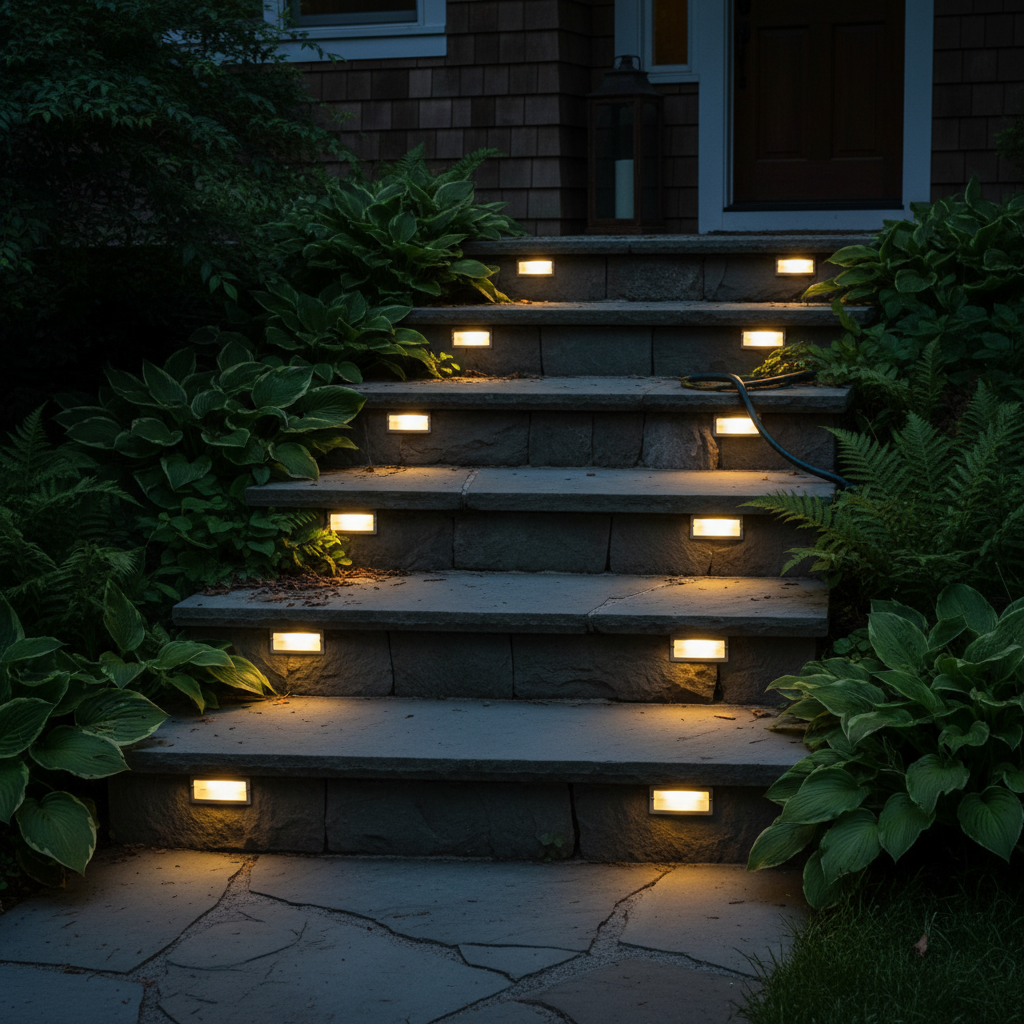
Too Bright or Too Dim
Getting the brightness just right is super important for step lights. Pick something too bright, and you’ll get harsh glare that’s tough on the eyes and actually makes it harder to see. Go too dim, and you’re left with shadowy steps, which is a real safety hazard.
- Well-lit stairs help prevent accidents, especially if you’ve got kids or older folks at home.
- Studies show that poor lighting is a top cause of stair-related injuries.
- The best stair lighting shines down onto each step and spreads the light evenly.
A really common mistake is grabbing lights that are way too bright or putting them where they cause glare. Overly bright fixtures can create harsh shadows and mess with the whole vibe of your yard. Stick to 100 to 200 lumens for pathway and accent lighting. For most steps, you don’t need more than 300 lumens per fixture.
You can also add motion sensors. They’ll kick the lights on when someone walks by, making your steps safer to use at night.
Ignoring Step Layout
You’ve gotta think about how your steps are built before you start installing lights. If you just ignore the layout, you’ll probably end up with dark spots or uneven lighting.
- Putting lights too high or too low creates shadows that make it tough to see.
- Without a solid plan, your lights might not hit every step, which is a real safety risk.
Take a few minutes to map out your steps and decide where each light goes. It’ll help you avoid missed spots and keep every step visible.
Poor Placement
Where you put your lights matters just as much as how bright they are. Poor placement can hide obstacles and make it easy to trip.
- Bad lighting can cover up stuff you need to see, like uneven steps or toys left outside.
- Good lighting helps guests find their way and can even keep intruders away.
- Lights that guide people along the path make your home feel safer and more welcoming.
Using fixtures with shields or directional beams helps control where the light goes and cuts down on glare. Warmer color lights also make your steps look more inviting.
Don’t forget to follow the instructions for installation and use outdoor-rated fixtures. That keeps your lights working well, even in bad weather.
Installation Tips
Best Placement
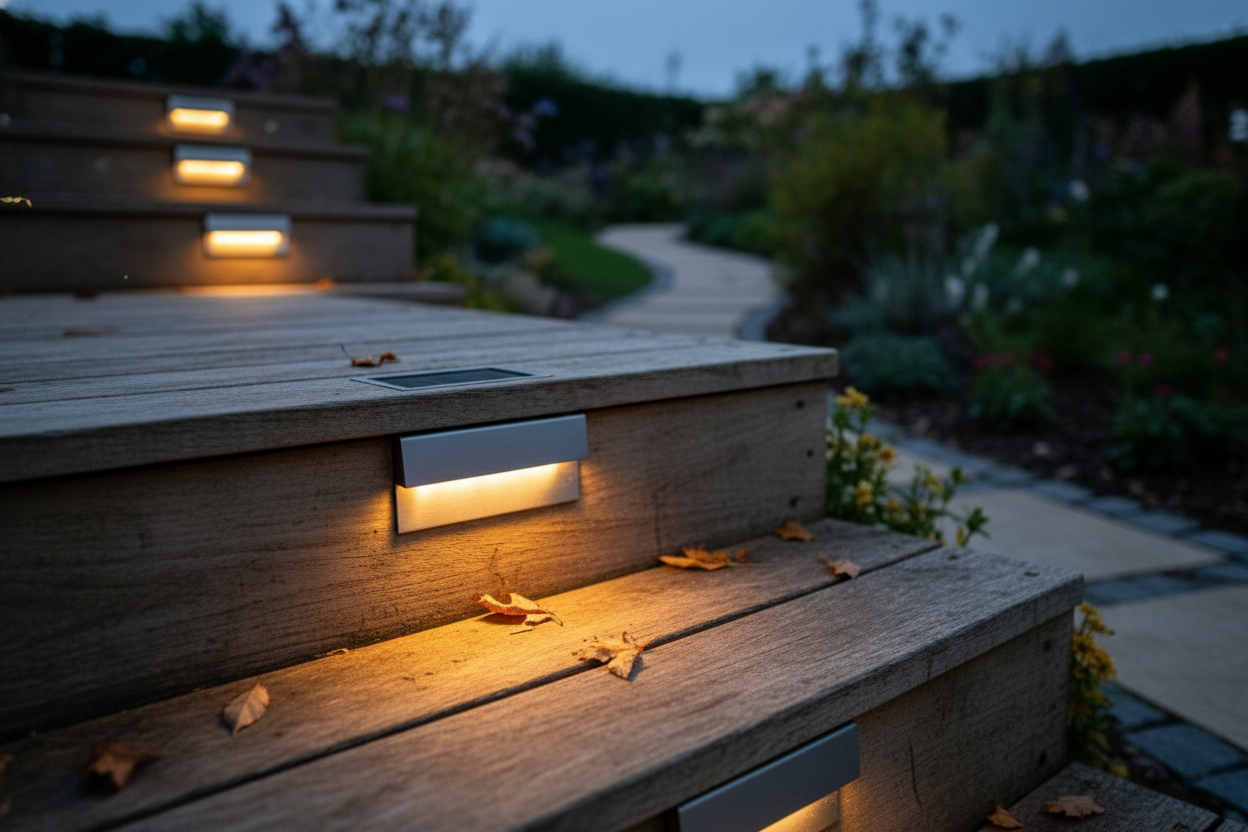
You want your step lights to shine where you need ’em most. Start by planning your layout before you install anything. Place your lights at the bottom or top of the steps for even coverage. Space ’em about 4 to 6 feet apart so you avoid dark patches. Position each light to shine directly onto the steps and avoid glare. This keeps your walkways safe and comfortable.
Here are some quick tips for best placement:
- Install lights 2 to 4 inches above the ground to prevent tripping.
- Use warm white (2700K-3000K) for a cozy feel or cool white (4000K-5000K) for brighter visibility.
- Choose motion-sensing or solar-powered lights for easy installation and energy savings.
- Make sure your lights have a weatherproof rating of IP65 or higher.
Tip: Always follow the manufacturer’s instructions and check local codes if you use hardwired fixtures.
Even Lighting
You want every step to look bright and inviting. Pick the right lumen range for your space. For homes, choose lights with 12 to 30 lumens for gentle, even lighting. If you need more safety, go up to 30 lumens per light. For public or commercial spaces, use 30 to 100 lumens for extra brightness.
|
Area Type |
Lumen Range |
Lighting Effect |
|---|---|---|
|
Residential |
12-30 |
Soft, cozy glow |
|
Commercial |
30-100 |
Bright, safe steps |
Softer lighting works well for ambiance, while brighter lights help with safety. Try different levels to see what looks best on your steps.
Maintenance
Keep your step lights working their best with regular care. Clean the lights every few months using a damp cloth. Dirt and debris can block the light and make your steps look dull. Check for cracks or damage, especially after storms. Replace broken parts right away to avoid bigger problems.
If you use solar or battery-powered lights, test the batteries and solar panels often. Replace batteries when they lose power. Wipe off solar panels to keep them charging well.
A little maintenance goes a long way. Your steps will stay bright and safe all year!
You want your outdoor steps to look great and stay safe. Aim for 12 to 100 lumens for most homes, or up to 200 lumens for extra safety. Test different lights to find what works best for you. Before you buy, think about your space and needs. Check installation and maintenance tips to get the best results.
- Good placement lowers the risk of slips and falls.
- Smart lighting makes your yard feel welcoming.
- Regular care keeps your lights shining bright.
FAQ
How many lumens do I need for outdoor step lights?
You usually need 12 to 100 lumens for most steps. If you want extra safety, go up to 200 lumens. Try different levels to see what looks best for your space.
Can I use solar step lights for all outdoor stairs?
Yes, you can use solar step lights on most stairs. Just make sure they get enough sunlight during the day. If your steps are in the shade, wired lights may work better.
Will brighter step lights last longer?
No, brightness doesn’t affect how long your lights last. The lifespan depends on the quality of the light and how often you use it. LED lights usually last the longest.
How do I stop step lights from causing glare?
Try using shielded fixtures or putting the lights lower on the steps. Point them down so they light up the step, not your eyes. Softer, warm white bulbs also help cut down on glare.