Essential Features of Garage Lighting
When you walk into your garage, you want bright and clear light. That makes every job a whole lot easier. LED lights are a solid choice because they use less energy. They also shine brighter and last way longer than old-school bulbs. Picking the right fixture matters. Wraparound lights work great for low ceilings, while shop lights handle most tasks just fine. You’ll also want to think about brightness, color temperature, and how easy it is to set things up. Take a look at how much energy you can save with LED lights:
|
Description |
Amount |
|---|---|
|
Existing Annual Energy Cost |
$5.24 |
|
Proposed Annual Energy Cost |
$0.00 |
|
Amount Saved |
$5.24 |
Think about how big your garage is and how high the ceiling goes. Don’t forget what you actually do in there, either. If you’re trying to go green, solar garage lights might be the way to go.
Key Takeaways
- Go with LED lights for your garage. They use less power, last a long time, and help cut down your electricity bills.
- Aim for at least 20,000 lumens in a two-car garage. That level of brightness cuts down on shadows and makes it easier to see, keeping you safe and productive.
- Pick the right color temperature. For work areas, stick with bulbs in the 5000K to 6500K range. That daylight-like glow helps you stay focused.
- Factor in your garage size and ceiling height when you’re picking fixtures. Bigger spaces need more light, and low ceilings pair well with wraparound styles.
- Check out solar garage lights if you want an eco-friendly option. They lower energy costs and don’t require any wiring, so installation is a breeze.
Brightness and Lumens
You want your garage to feel bright and safe. The amount of light, measured in lumens, makes a big difference. For a standard two-car garage, you should aim for at least 20,000 lumens. Here’s why:
- The Illuminating Engineering Society suggests 50 lumens per square foot.
- Most two-car garages are about 400 square feet.
- More lumens mean fewer shadows and better visibility.
If you use your garage for repairs or hobbies, each fixture should give you between 300 and 800 lumens. Good lighting helps you find tools, work safely, and avoid accidents.
Tip: Plan your lights so every corner gets enough brightness. This helps you see clearly and keeps your garage safe.
Color Temperature
The color of your lights matters, too. You’ll see numbers like 3000K or 5000K on light bulbs. These numbers show how “warm” or “cool” the light looks.
- For workspaces, pick bulbs between 5000K and 6500K. This mimics daylight and helps you focus.
- For storage, 4000K gives you a neutral white light.
- For relaxing or hanging out, warmer lights (2700K–3000K) feel cozy.
Most people like cool white or daylight bulbs (4000K–5000K) in garages. These make everything look brighter and help you work better.
Energy Efficiency
LED lights save you money and energy. They use less power than old bulbs. Take a look at this table:
|
Lighting Type |
Number of Bulbs |
Total Watts Used |
Annual Energy Cost |
|---|---|---|---|
|
Incandescent |
4 |
240 |
$70–$75 |
|
LED |
3-4 |
35-48 |
$10–$15 |
Switching to LEDs means lower bills and less hassle.
Installation and Maintenance
You want lights that are easy to install and last a long time. LED bulbs can last up to 50,000 hours. That’s way longer than fluorescent or incandescent bulbs. You might only need to check your lights every 6 to 12 months.
- LEDs turn on instantly, so you get full brightness right away.
- Less maintenance means more time for your projects.
Note: Choose fixtures that are simple to mount and easy to reach. This makes changing bulbs or cleaning much easier.
Best Types of Garage Lights
LED Shop Lights
You want your garage to feel bright and welcoming. LED shop lights make that happen. These fixtures come in different sizes, like 4-foot and 8-foot lengths. The longer ones give you more lumens, which means more light for bigger spaces. If you work on cars or crafts, you’ll notice the difference right away.
- 8-foot shop lights shine brighter than 4-foot ones. You need fewer fixtures for large garages.
- Both sizes use less power than old fluorescent lights. A 4-foot LED shop light uses about 40 watts, while an 8-foot one uses around 80 watts.
- You save money on your electric bill because LEDs are so efficient.
Here’s a quick look at how LED shop lights stack up against fluorescent lights:
|
Feature |
LED Shop Lights |
Fluorescent Lights |
|---|---|---|
|
Energy Efficiency |
Uses up to 44% less energy |
Less efficient than LEDs |
|
Lifespan |
25,000 to 50,000 hours |
7,000 to 15,000 hours |
|
Cost Over Time |
Higher initial cost but lower lifetime cost |
Lower initial cost but higher costs over time |
You pay more upfront for LED shop lights, but you save hundreds of dollars each year. Most people see their investment pay off in just a few years. Plus, LED shop lights last much longer and don’t need frequent replacements.
Tip: If you want natural light, pick daylight LEDs. They help you see colors clearly and make your garage look lively.
Wraparound Fixtures
Wraparound fixtures work great if your garage has a low ceiling. These lights mount flush against the ceiling, spreading light evenly across the space. You won’t bump your head, and you get fewer shadows.
Installing wraparound fixtures is pretty simple. Here’s how you do it:
- Turn off the power at your circuit breaker.
- Measure and mark where you want the fixture.
- Drill holes for the mounting bracket.
- Attach the bracket securely.
- Connect the wires (white to white, black to black).
- Mount the fixture onto the bracket.
- Restore power and test the light.
Wraparound fixtures use LED bulbs, so you get the same energy savings and long life as shop lights. They’re sturdy and don’t flicker, making them perfect for garages where you need reliable lighting.
LED Tube Bulbs
LED tube bulbs fit into existing fluorescent fixtures. You don’t have to buy new hardware, which saves you money. These bulbs are bright, efficient, and last a long time.
|
Feature |
LED Tube Bulbs |
Traditional Garage Light |
|---|---|---|
|
Brightness (Lumens/Watt) |
130–160 lm/W |
60–90 lm/W |
|
Energy Efficiency |
Up to 80% savings |
High energy use |
|
Lifespan |
50,000–70,000 hrs |
5,000–10,000 hrs |
|
Maintenance |
Minimal |
Frequent replacements |
|
Light Quality |
Stable, no flicker |
Flickers or yellows |
|
Heat Output |
Low |
High (wastes energy) |
|
Startup Time |
Instant |
Delayed |
|
Cost Over Time |
Low |
High |
You get instant light with LED tubes. They don’t flicker or get hot. You spend less time changing bulbs and more time working on your projects.
Fluorescent and Incandescent Options
Some folks still use fluorescent or incandescent lights in their garages. These options cost less upfront, but they’ve got some real downsides.
- Fluorescent lights can get pretty hot, especially in tight spaces.
- Poor ventilation shortens the life of those bulbs.
- Incandescent bulbs use a ton of energy and burn out way too fast.
Traditional lights might seem like a bargain, but you’ll end up spending more on replacements and electricity. LEDs last longer and use way less power, so you actually save money over time.
Note: If you want to stop changing bulbs and cut down on those high bills, switch to LED options.
Solar Garage Lights
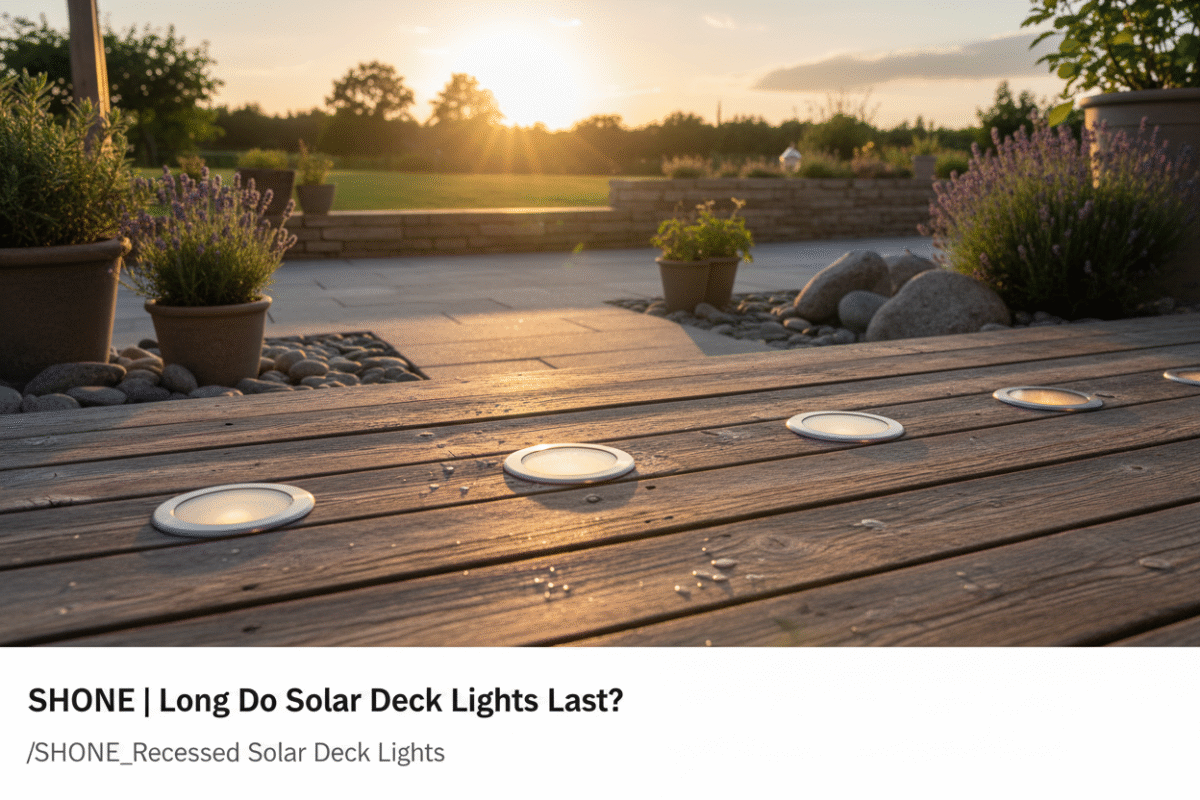
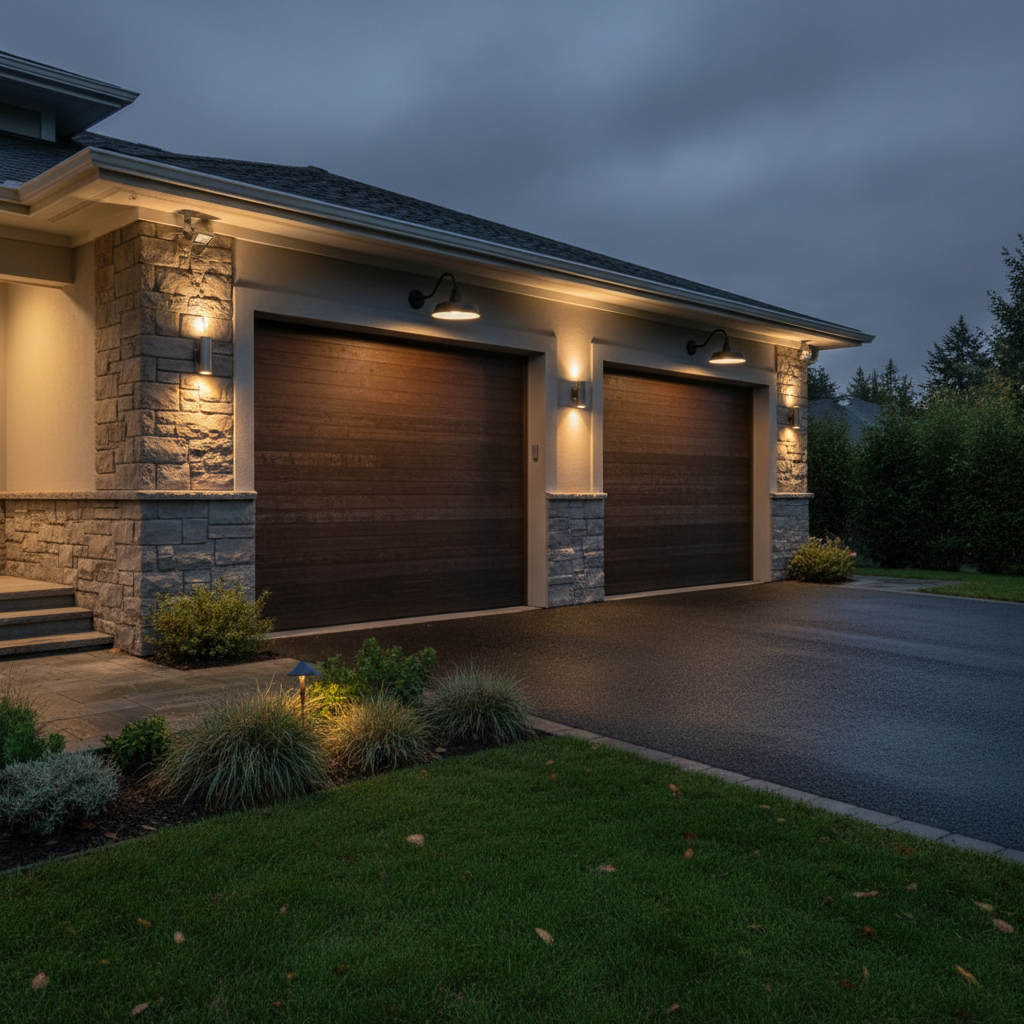
If you’re into being eco-friendly, solar garage lights are a solid pick. These lights soak up sunlight during the day and light up your garage at night. No need to worry about wiring or electricity bills.
Advanced solar garage lights work great even when it’s cloudy. Some models use smart tech to adjust brightness and save energy. You can add timers or motion sensors to make ’em even more efficient.
To keep your solar garage lights performing at their best, clean the panels regularly. In winter, brush off snow and tilt the panels to catch more sunlight. Spring’s a good time to wash off dust and dirt.
Solar garage lights help you save cash and shrink your carbon footprint. They’re reliable all year, especially if you go with models that have backup batteries or hybrid systems.
Tip: Combine solar garage lights with LED fixtures for the brightest, most energy-efficient garage you can get.
Choosing the Right Light for Your Garage
Assessing Garage Size
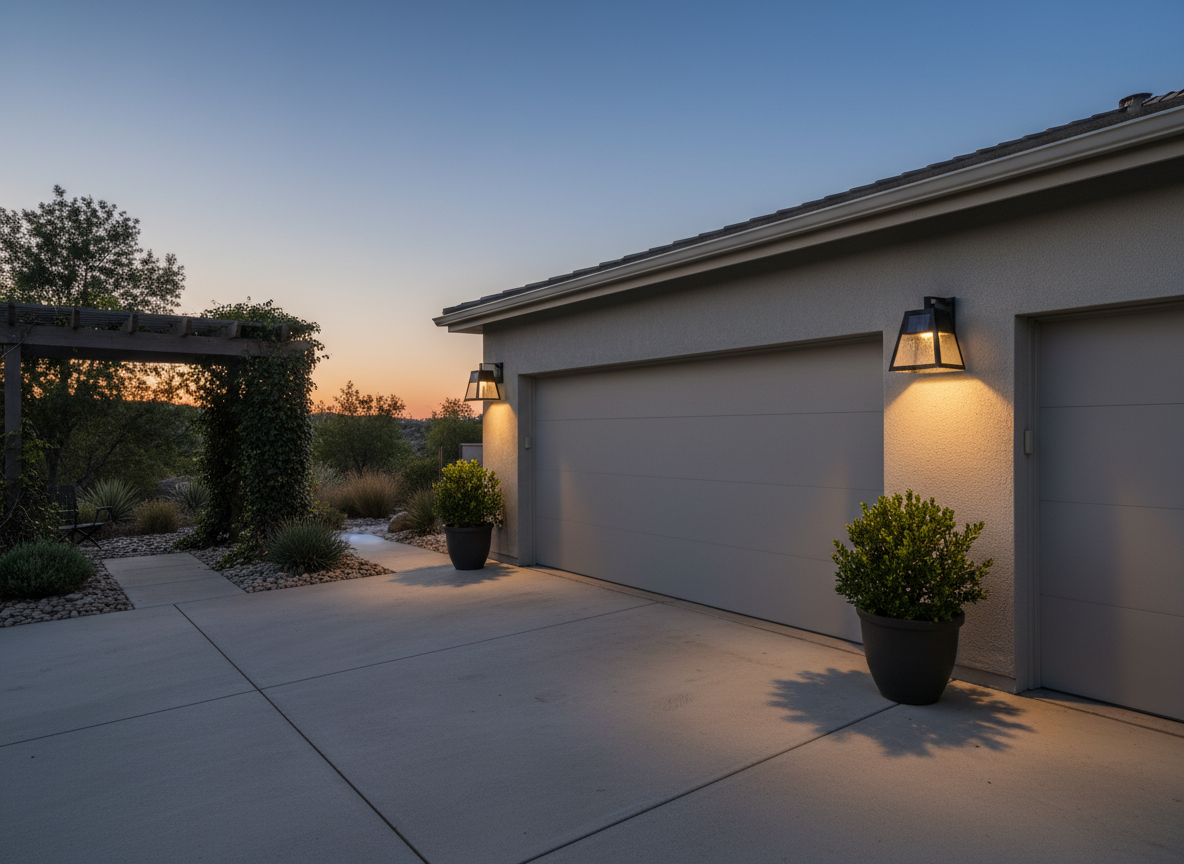
Your garage size plays a big role when you’re picking out lights. If you’ve got a large garage or a workspace, you’ll need more fixtures to keep everything bright. Smaller garages can usually get away with just a few lights in the right spots. Think about what you actually do in there. If it’s mostly for storage, you can get by with less light. But if you’re working on projects, you’ll want more brightness. The color of your walls and how much natural light comes in also affects how many garage lights you need. Dark walls soak up light, so you might need extra fixtures.
- Large garages need multiple lights for good coverage.
- Small garages can use fewer, well-placed fixtures.
- Brightness depends on garage size and what you do in there.
Ceiling Height Considerations
Your ceiling height changes the type of light you should go with. If you have high ceilings, regular fixtures might not light up the floor well. High-bay lights work best for tall ceilings since they shine down and spread light evenly. For low ceilings, wraparound fixtures or LED shop lights fit snugly and keep the space bright. Placing lights in the right spots helps cut down on shadows.
- High ceilings need high-bay lights.
- Low ceilings do better with flush-mount fixtures.
- Good placement means fewer dark corners.
Usage Needs (Workshop, Storage, Parking)
What you do in your garage decides how much light you really need. If you’re just parking your car and storing boxes, you don’t need super bright lights. If you use your garage as a workshop, you’ll want daylight-level brightness. Well-lit garages help you stay safe and find things easily. If you’re trying to save energy, solar garage lights are a smart choice for basic lighting needs.
Tip: Match your lighting to your main garage activity. You’ll get the best results and save money.
Budget Planning
You don’t have to spend a ton to upgrade your garage lighting. Basic LED retrofits cost between $100 and $300. If you want motion sensors or smart controls, expect to pay $400 to $1,200. Professional installation usually runs $250 to $600. Here’s a quick look at the price ranges:
|
Type of Upgrade |
Cost Range |
|---|---|
|
Basic LED retrofit |
$100–$300 |
|
Mid-range with motion sensors |
$400–$700 |
|
Smart lighting upgrade |
$700–$1,200 |
|
Pro installation (full setup) |
$250–$600 |
Plan your budget based on your needs and how much you want to save on energy bills.
Installation Tips
Safety First
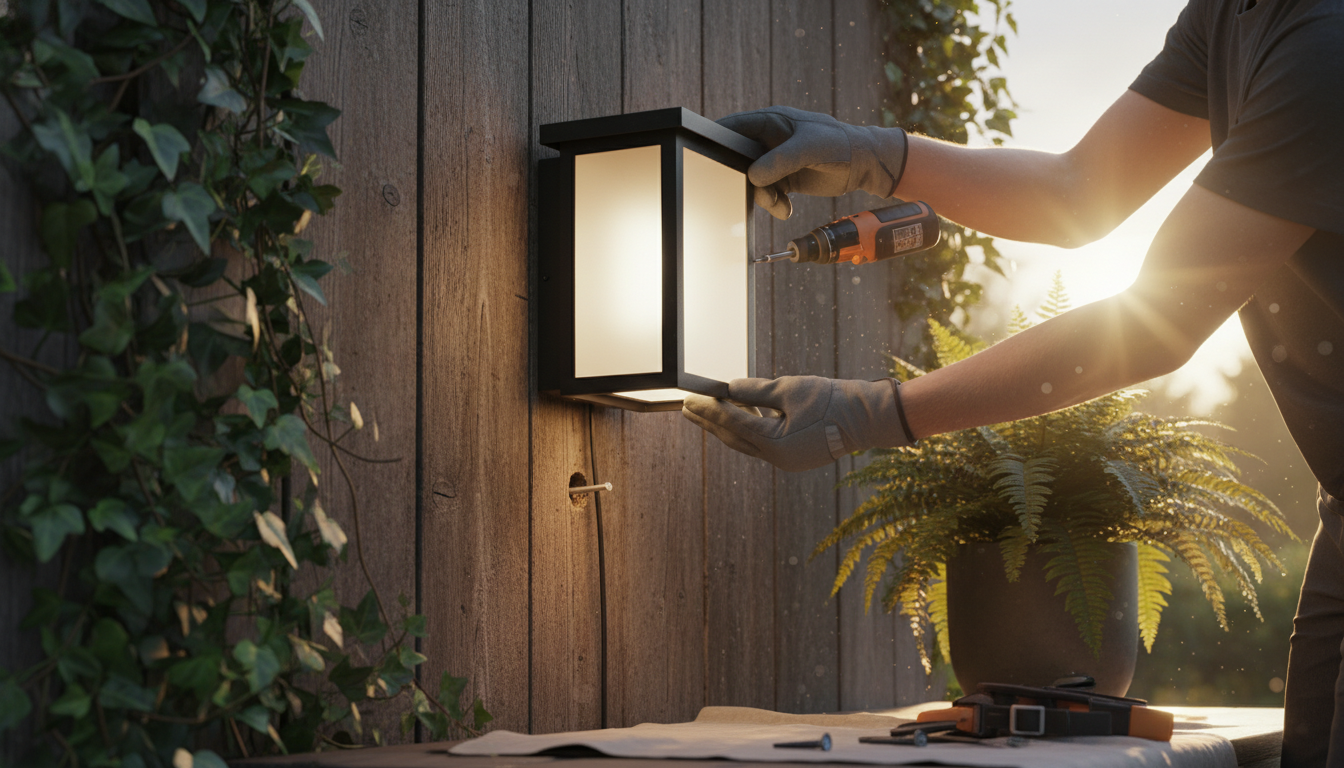
You want to stay safe when installing new garage lights. Always turn off the power at your circuit breaker before you start. This step keeps you safe from electric shocks. Use LED lights that are rated for damp locations. Garages can get humid or wet, so these lights last longer and work better. Wear gloves and safety glasses to protect your hands and eyes. Keep a flashlight nearby in case you need extra light while you work.
Tip: Double-check that the power is off by flipping the light switch before you touch any wires.
Fixture Placement
Good lighting starts with smart placement. Here’s a simple way to plan your setup:
- Measure your garage to figure out how much light you need.
- Divide your space into zones like parking, workbench, storage, and entry points.
- Layer your lighting. Use bright overhead lights for general use, and add task lights for work areas.
- Test your setup. Turn on the lights and look for dark spots. Move fixtures if needed for even coverage.
Place fixtures near entry doors and workbenches for the best results. This setup helps you see clearly and keeps your garage safe. Good garage lighting makes all the difference.
Wiring Basics
You can install LED shop lights with a few basic tools. You’ll need electrical cables, wire nuts, wire strippers, a screwdriver, wire connectors, and a drill with screws. Here’s a quick guide:
- Mark the spots for your fixtures.
- Drill holes for the mounting brackets.
- Connect the wires as shown in the instructions.
- Secure everything with screws or anchors.
- Install the LED bulbs.
- Turn the power back on and test your garage lights.
Keep cables neat with cable staples. This step makes your garage look tidy and keeps wires safe.
Maximizing Coverage
You want every corner bright and totally shadow-free. Install ceiling-mounted fixtures evenly across open spaces. Put lights near entry points and work zones for better visibility. Use wall-mounted lights in corners and along the garage’s edges to kill those dark spots. Adjustable fixtures let you aim light exactly where you need it. For high ceilings, go with high-bay LED fixtures for wide, even coverage.
Note: Multiple fixtures spread light way better than one big light. This setup helps you dodge shadows and makes your garage feel open and safe.
You want your garage to be bright and safe, and easy to use too. LED shop lights and wraparound fixtures are solid picks. They help you save energy and cut down on shadows. These lights also make it easier to see what you’re doing. Check out this table to compare them:
|
Feature |
LED Shop Lights |
Wraparound Fixtures |
|---|---|---|
|
Efficiency |
High |
High |
|
Brightness |
Very bright |
Even, wide lighting |
|
Safety |
Great for workspaces |
Good for all ceilings |
Switching to energy-saving lights means you pay less on your power bill. You also don’t have to swap bulbs as often. If you’re trying to help the planet, give solar garage lights a shot. Make your garage brighter and more usable today!
FAQ
What’s the best color temperature for garage lights?
You want a color temperature between 4000K and 5000K. That range gives you bright, clear light that looks like daylight. It helps you see details and work safely.
How many lumens do I need for my garage?
Aim for at least 20,000 lumens in a two-car garage. If you use your garage for projects or repairs, you might need more. More lumens mean fewer shadows and better visibility.
Can I install LED shop lights myself?
Yeah, you can install LED shop lights on your own. Just turn off the power first. Follow the instructions that come with the lights. You’ll need basic tools like a drill and screwdriver.
Are solar garage lights bright enough?
Solar garage lights work fine for basic lighting. They might not be as bright as wired LEDs. If you want strong light for work, use solar lights with backup batteries or combine them with LED fixtures.
How long do LED garage lights last?
Most LED garage lights last between 25,000 and 50,000 hours. So you won’t need to change bulbs very often. That means less hassle and more time for your projects.