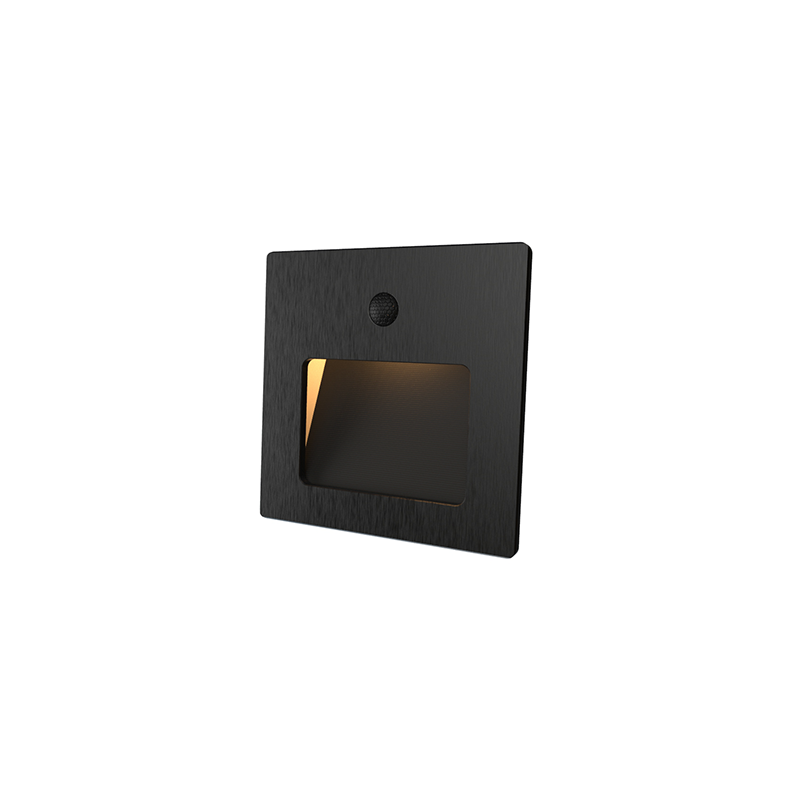
Solar Brick Lights vs. Regular Lights: Which One’s Right for You?
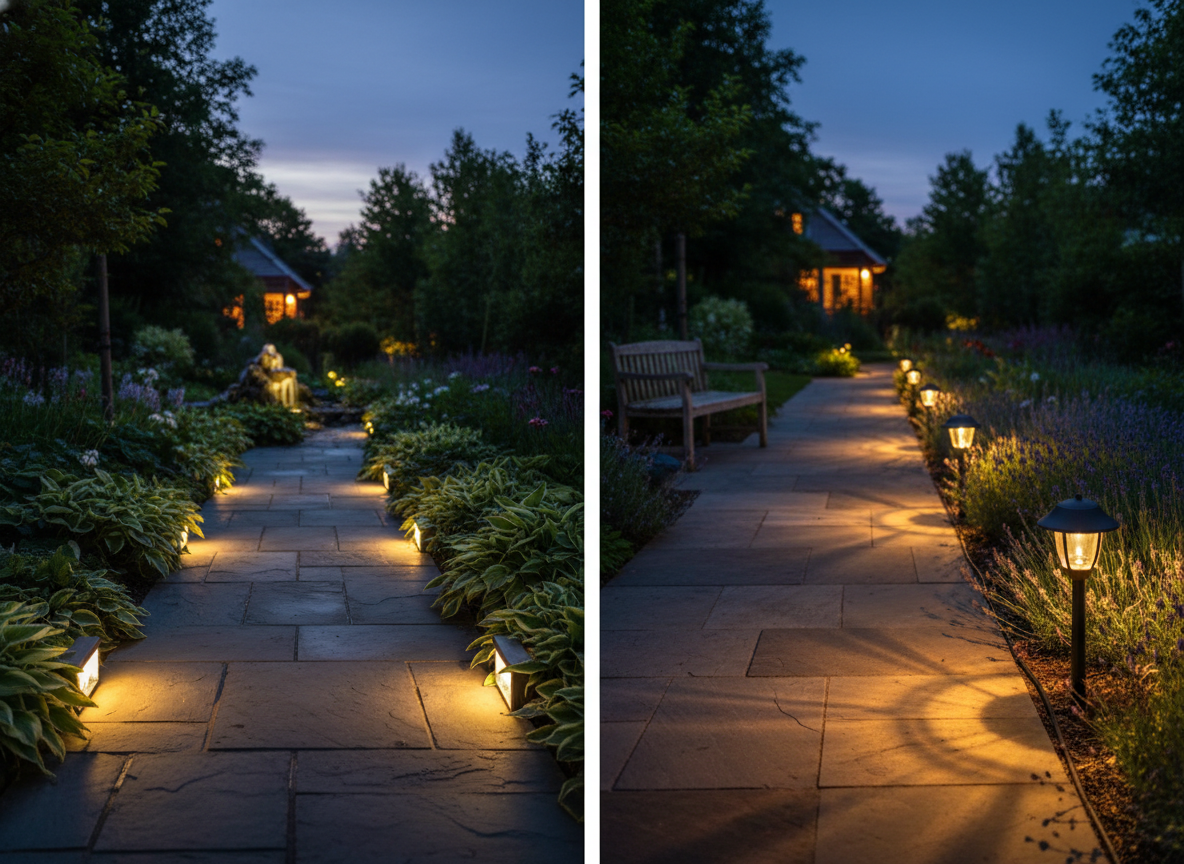 If you’re looking for eco-friendly lighting for your outdoor space, solar brick lights often steal the show. They run on the sun’s energy, so you get lower bills and way less upkeep. Regular lights, on the other hand, are brighter and keep shining even when it’s cloudy. Your choice really comes down to what you value more—saving money, going green, or having consistent, strong light. Think about your yard, your budget, and how much brightness you actually need.
Key Takeaways
- Solar brick lights save you money over time since they use sunlight. Regular lights can bump up your energy bills.
- Regular lights are brighter and offer steady illumination, making them great for safety and visibility.
- Installing solar brick lights is a breeze—no wires needed. Regular lights often require a pro to set up.
- Solar brick lights are better for the environment and help shrink your carbon footprint. Regular lights rely on electricity, often from fossil fuels.
- Figure out your lighting needs and budget before deciding between solar brick lights and regular lights.
Quick Comparison
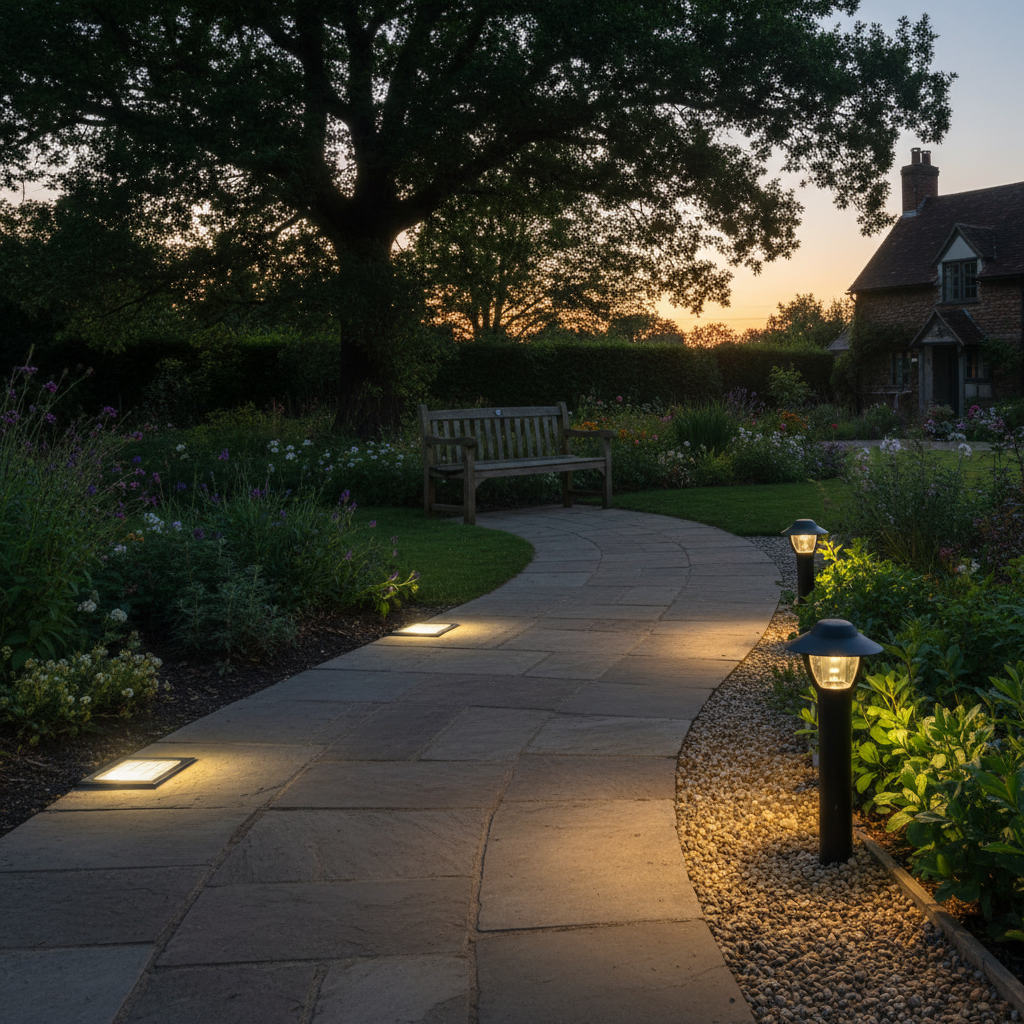 Here’s a fast look at how solar brick lights and regular lights compare. This table breaks down the key factors you care about:
|
Feature |
Solar Brick Lights |
Regular Lights |
|---|---|---|
|
Cost |
Higher upfront, but no energy bills |
Lower upfront, but higher energy bills |
|
Performance |
Less bright, depends on sunlight |
Brighter, works any time |
|
Installation |
Easy, no wiring needed |
Needs wiring, sometimes professional |
|
Maintenance |
Simple cleaning and battery checks |
Bulb changes, wiring checks |
|
Environmental Impact |
Uses solar energy, eco-friendly |
Uses electricity, more carbon footprint |
Cost
- You’ll pay more upfront for solar brick lights, but they save you cash over time since they run on sunlight, not electricity.
- Regular lights are cheaper to buy, but your yearly bills will be higher.
- Here’s a quick breakdown of the costs:
|
Light Type |
Annual Operating Cost |
|---|---|
|
Traditional Lights |
$150 – $250 per fixture |
|
Solar Lights |
$0 (no energy costs) |
If you’re looking to lower your energy bills, solar brick lights really make a difference.
Performance
- Regular lights are brighter and give you steady light, even when it’s cloudy.
- Solar brick lights work best in sunny spots. They might get a little dim on rainy or cloudy days.
- Here’s how bright different options can get:
|
Type of Light |
Lumen Output Range |
|---|---|
|
Security Lights |
700-1400 lumens |
|
Decorative Wall Lights |
50-150 lumens |
|
Decorative Post Lights |
100-400 lumens |
|
Pedestrian Post Lights |
500-2000 lumens |
|
Landscape, Garden and Pathway Lights |
50-250 lumens |
|
Deck, Fence and Pergola Lights |
5-250 lumens |
- When the sun’s not out, solar brick lights lose some power. Regular lights keep shining no matter the weather.
|
Light Type |
Performance in Low Sunlight Conditions |
|---|---|
|
Solar Brick Lights |
Reduced efficiency during prolonged cloudy days, implying lower performance in low sunlight. |
|
Traditional Lights |
Consistent performance regardless of sunlight availability. |
Installation
- You can install solar brick lights yourself. No wires, no digging—just put them where you want.
- Regular lights usually need wiring, and sometimes you’ll need a pro to set them up.
- Solar brick lights are waterproof and tough, so rain or snow isn’t something you’ll have to worry about.
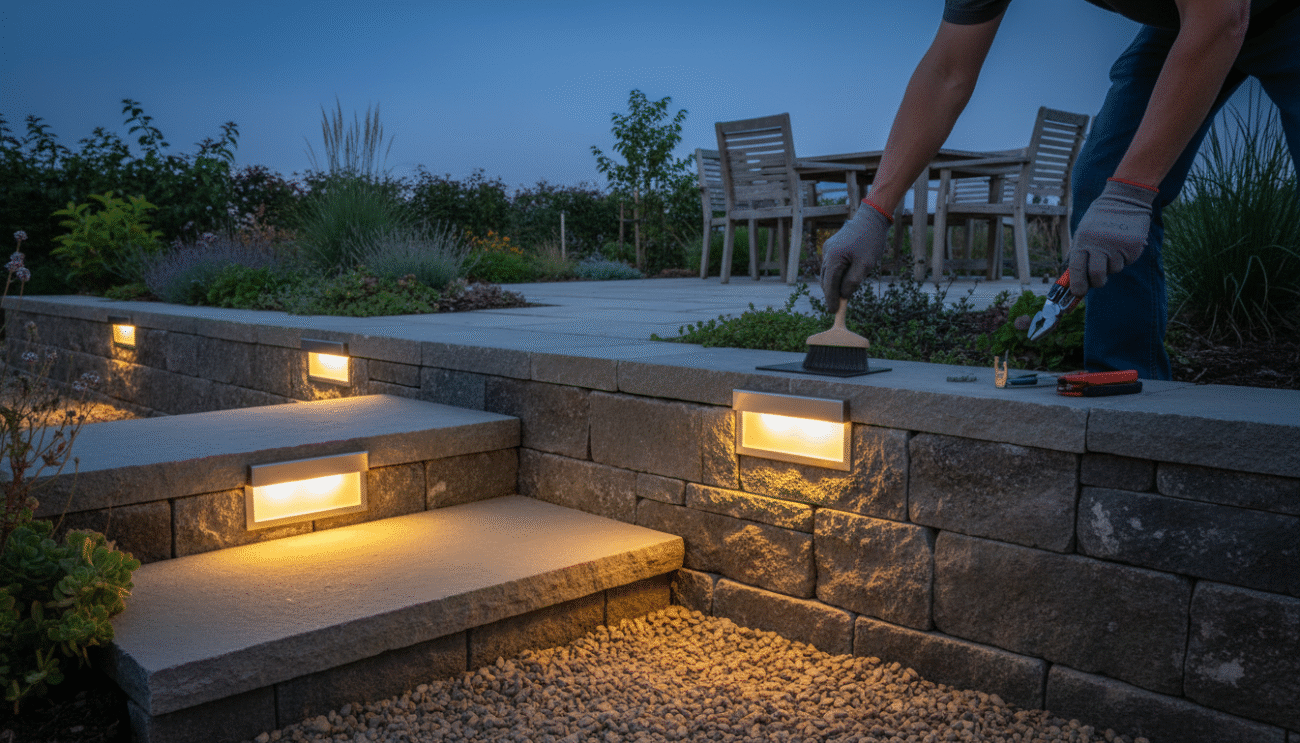
Taking care of solar brick lights is pretty low-effort. You really just need to wipe down the panels and check the batteries every so often. Regular lights? They’re a different story—you’re looking at swapping out bulbs and checking the wiring.
Here’s a quick maintenance rundown for solar brick lights:
- Give the panels and covers a clean to keep them running at their best.
- Inspect the batteries and wires for any wear or issues.
- Make sure nothing’s blocking the sun from hitting the panels.
- Keep the area around the lights clear of leaves, dirt, or anything else.
Most solar brick lights last anywhere from 1 to 5 years. A little cleaning and swapping out the batteries when needed can really stretch that lifespan.
Environmental Impact
Since solar brick lights run on sunlight, they won’t add a dime to your electric bill or pump up your carbon footprint. Regular lights, on the other hand, pull from the grid—which often means fossil fuels are involved.
Artificial lighting can mess with wildlife, especially at night. Bright lights confuse birds, bugs, and even sea turtles. Cutting back on light use or going solar is a simple way to help out local critters.
Cost
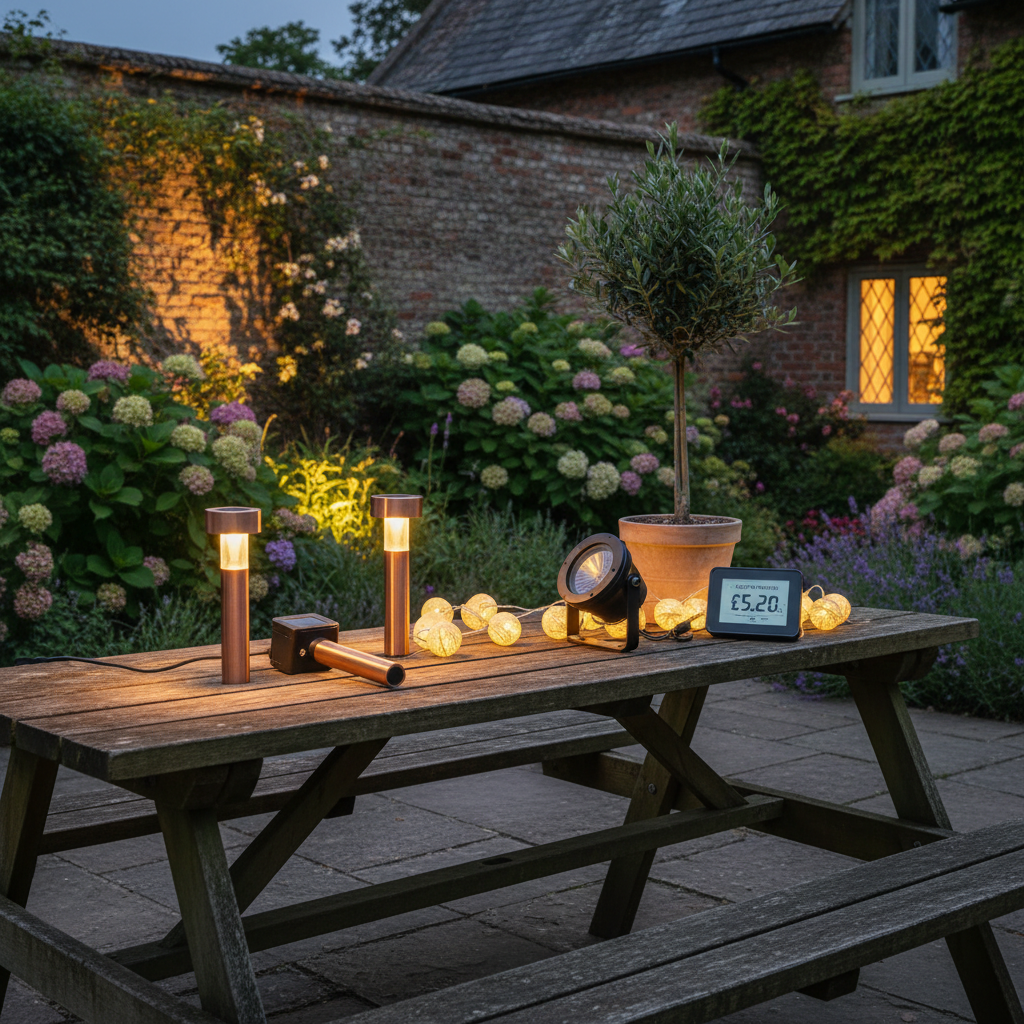
Initial Price
When you’re shopping for outdoor lighting, price is always a factor. Solar brick lights usually come with a higher upfront tag. You might see a single one for around $44.90, and a 10-pack can hit $439.00. Some stores sell them from A$31.90 up to A$278.00, depending on the style and features.
Regular lights often look cheaper on the shelf. But don’t forget installation costs. Here’s a quick breakdown of what you might pay to get each type set up:
|
Type of Light |
Installation Cost Range |
|---|---|
|
Traditional Lights |
$3,000–$5,000 per fixture |
|
Solar Lights |
$2,500–$4,000 per fixture |
Traditional lights cost more to install because you’ve got to dig trenches for the wiring. Solar brick lights skip all that, so you save on both labor and time.
Long-Term Savings
You might be wondering if the higher price tag on solar brick lights is really worth it. Over time, you end up saving because there’s no electricity bill to worry about. You’ll also spend less on repairs and replacements. These lights are built to last and need way less upkeep. No more swapping out bulbs or messing with wires. In the long run, that means more cash stays right where it belongs—in your pocket.
Tip: If you’re looking to cut costs year after year, solar brick lights are a solid way to do it.
Energy Use
Solar brick lights run on sunlight. That means zero energy bills. Regular lights? They use electricity, and that adds up fast. Check out this table:
|
Type of Light |
Annual Energy Consumption (KWh) |
Cost Over 5 Years ($) |
|---|---|---|
|
Solar Street Lights |
0 |
347,360 |
|
Electric LED Street Lamps |
1,462,920 |
497,638 |
It’s pretty clear—solar brick lights don’t use any electricity at all. Over five years, you’re looking at serious savings on both money and energy. If you want to lower your bills and do something good for the planet, going solar is the way to go.
Performance
Brightness
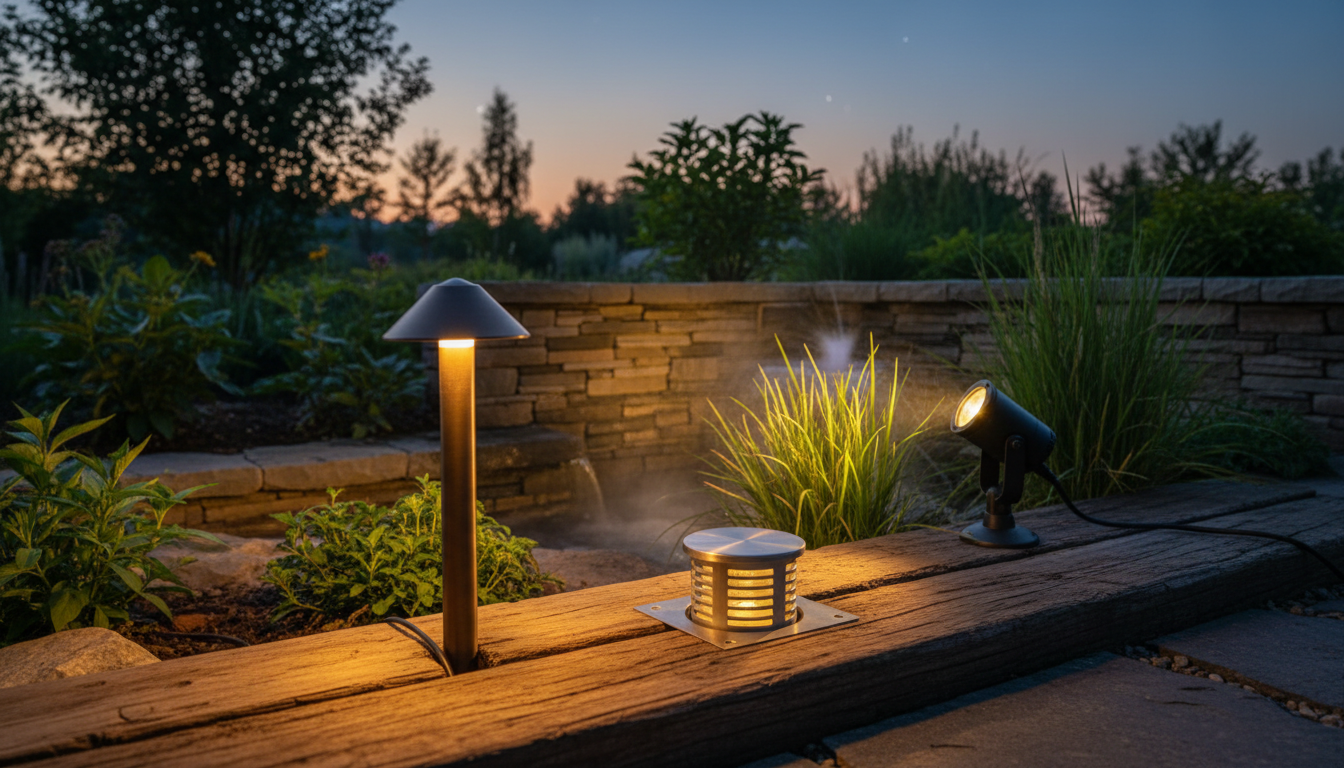
You want your outdoor space to feel safe and look great once the sun goes down. Regular lights give you strong, steady brightness. They light up driveways, patios, and walkways without breaking a sweat. If you need to see every corner, regular lights get the job done. Solar brick lights give off a softer glow. They’re best for gentle pathway lighting or adding a cozy vibe to your garden. On cloudy days or in shady spots, they might not shine as bright. But if you’re after a warm, inviting look, solar brick lights can totally get you there.
Durability
Wondering if solar brick lights can handle rough weather? The good news is, plenty of solar lights are built tough. They stand up to heavy rain, strong winds, and even snow. Some solar street lights keep working through storms and power outages, so you don’t have to stress about losing light when things get rough. In colder climates, solar lights keep shining all winter long. Regular lights last a while too, but they’re useless if the power goes out. Here’s a quick look at how long different solar lights last:
- Solar pathway lights: 2-4 years
- Solar spotlights: 3-5 years
- Solar wall lights: 3-5 years
- Solar floodlights: 5-7 years
How long they last really depends on the quality and how well you take care of them. More expensive solar brick lights often outlast the cheaper ones.
Lighting Consistency
You want your lights to work every single night, right? Regular lights give you the same brightness all the time. They don’t depend on the weather or the sun. Solar brick lights work best when they soak up a lot of sunlight during the day. If you live in a sunny place, you’ll see good results. But on rainy or cloudy days, these lights might get dim or turn off early. If you need steady light no matter what, regular lights are the better choice.
Tip: Place solar brick lights where they get full sun for the best performance.
Installation
Solar Brick Lights: Installation
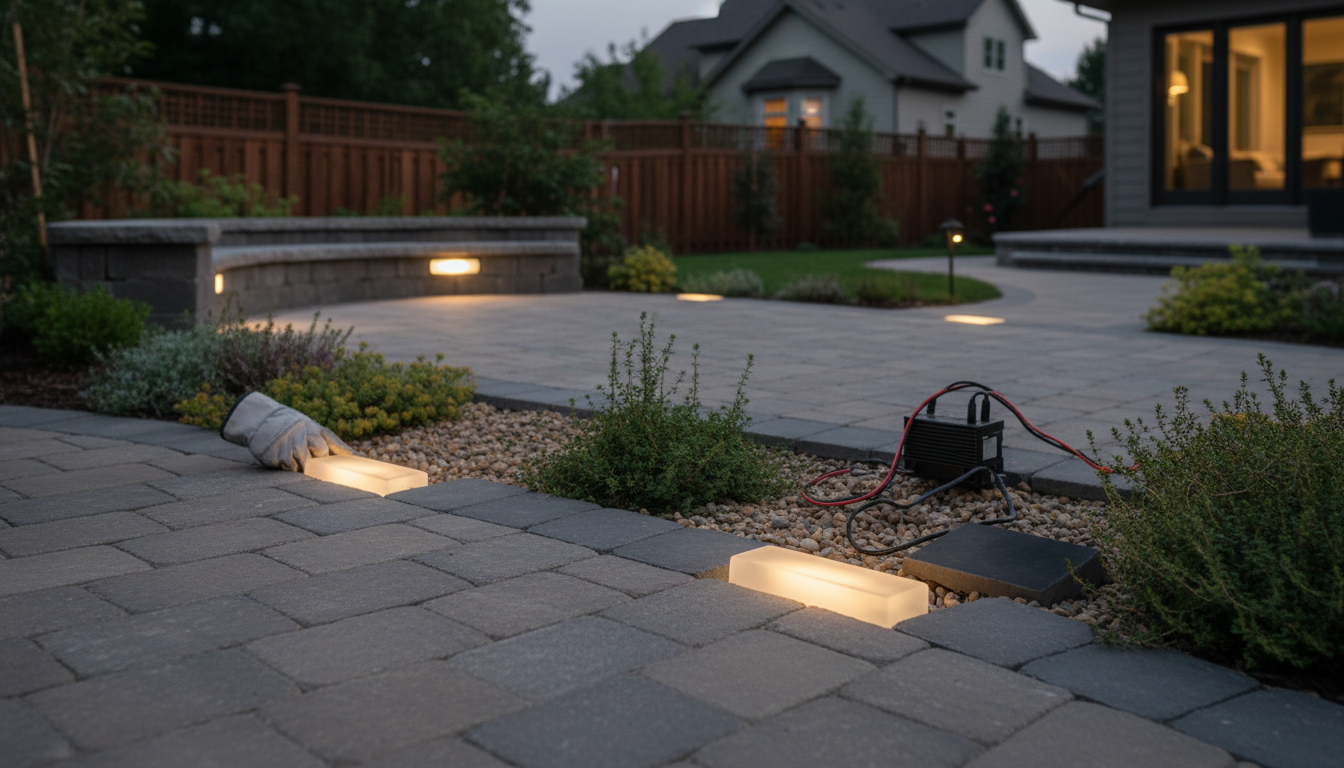
You can install solar brick lights without calling an electrician. Most people finish the job in less than an hour. No need to mess with wires or dig up your yard. These lights are perfect for DIY projects. Here’s how you set them up:
- Pick a spot that gets 6–8 hours of direct sunlight every day.
- Mark where you want the mounting bracket. Use a pencil to note the screw holes.
- Drill holes at the marked spots. If you have concrete or brick, use anchors for extra grip.
- Attach the light to the wall or ground with screws or adhesive.
- Turn the light on and check if it works.
You don’t need special tools. Just a drill, screws, and maybe some anchors. The waterproof design keeps the lights safe during rain or snow. The tough materials help them last for years, even in harsh weather. Place them along walkways, patios, or garden beds. If you want a simple and quick way to light up your outdoor space, solar brick lights make it easy.
Tip: Clean the solar panel before you install the light. This helps it charge faster.
Regular Lights: Installation
Installing regular lights takes more time and planning. You’re working with wires and electricity, so safety’s a big deal. First, kill the power at the breaker box. Here’s the drill:
- Switch off the power and double-check with a voltage tester.
- Take down the old fixture. Snap a photo of the wiring first—it’ll save you later.
- Read the instructions for your new light and get the wires prepped.
- Grab your tools, climb a ladder, and get to it.
If you’re not comfortable messing with electricity, it’s smart to call a pro. Regular lights usually need more tools and extra steps, like digging trenches for wires or installing junction boxes. That means more time and money compared to putting in solar brick lights.
Maintenance
Upkeep Needs
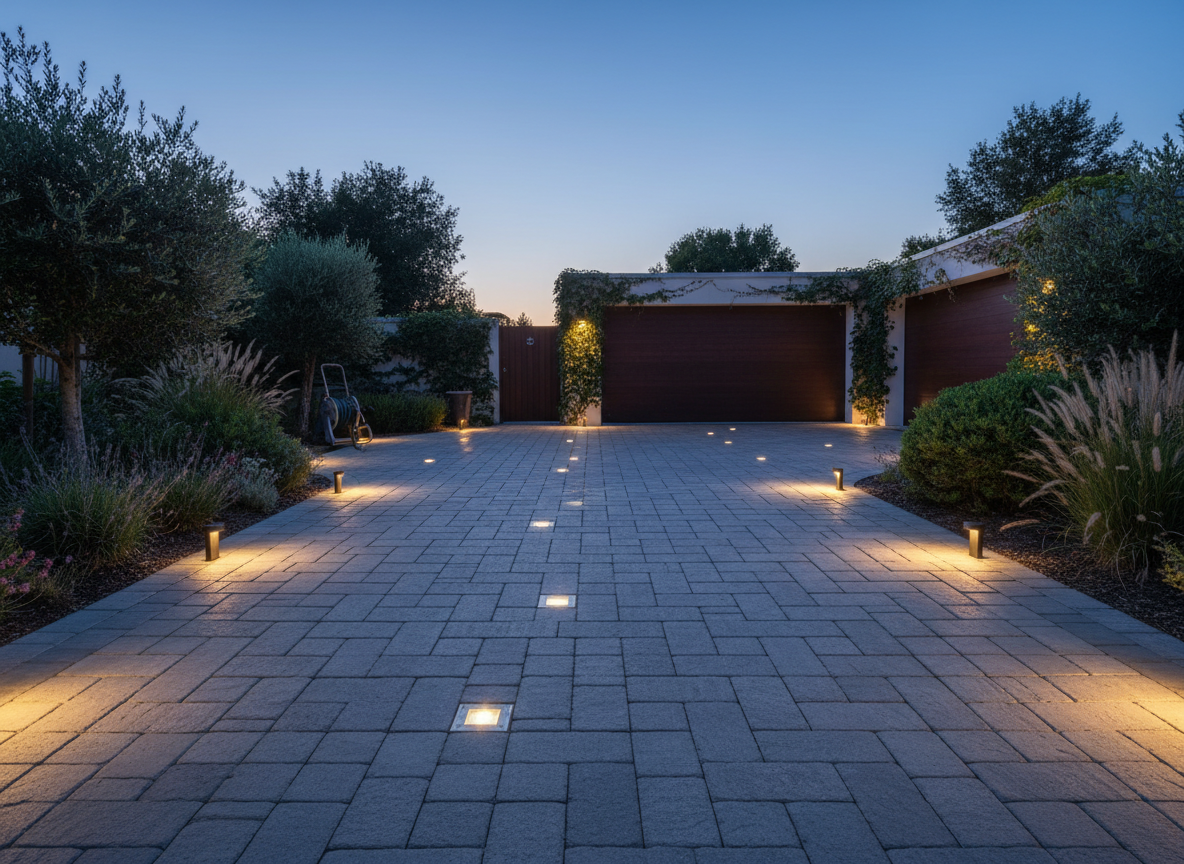
When you’re picking outdoor lighting, you want something that’s easy to take care of. Solar brick lights keep things simple. No tangled wires to stress over, no constant repairs. Most of the time, you just need to wipe the solar panels clean. Dust, leaves, even bird droppings can block sunlight and mess with the light’s power. A quick pass with a damp cloth keeps them shining bright.
You might run into a few common hiccups with solar brick lights:
- Sometimes the batteries stop charging or don’t hold a charge well.
- Batteries can corrode or wear out, especially if you grab the wrong type.
- Extreme heat or cold can mess with how the lights perform.
- Dirty panels slow down charging.
If your lights look dim or stop working, check the batteries first. Swapping them out usually does the trick. Just make sure you’re using the right kind. If you live somewhere with harsh winters or scorching summers, you might need to check on them more often.
Regular lights need a bit more TLC. You’ve gotta swap bulbs when they burn out, and check the wiring for damage after storms. Sometimes that means calling an electrician to handle things.
Tip: Clean your solar panels every month for the best results. Check the batteries once or twice a year.
Lifespan
You want your lights to last as long as possible, right? Solar brick lights usually stick around for 1 to 5 years, depending on the quality and how well you take care of them. The batteries inside might need swapping every 2 to 3 years. If you keep the panels clean and replace batteries when they start to fade, you can really stretch their lifespan.
Regular lights can go the distance, especially if you’re using LED bulbs. Some LED fixtures work for up to 10 years. But yeah, you’ll still need to swap out bulbs and fix wiring now and then.
Here’s a quick look at how long each type can last:
|
Light Type |
Average Lifespan |
|---|---|
|
Solar Brick Lights |
1–5 years (battery: 2–3 years) |
|
Regular LED Lights |
5–10 years (bulb: 2–5 years) |
If you’re after low-maintenance lights, solar brick lights are a solid pick. If you want something that lasts even longer, regular LED lights might be more your speed.
Environmental Impact
Energy Efficiency
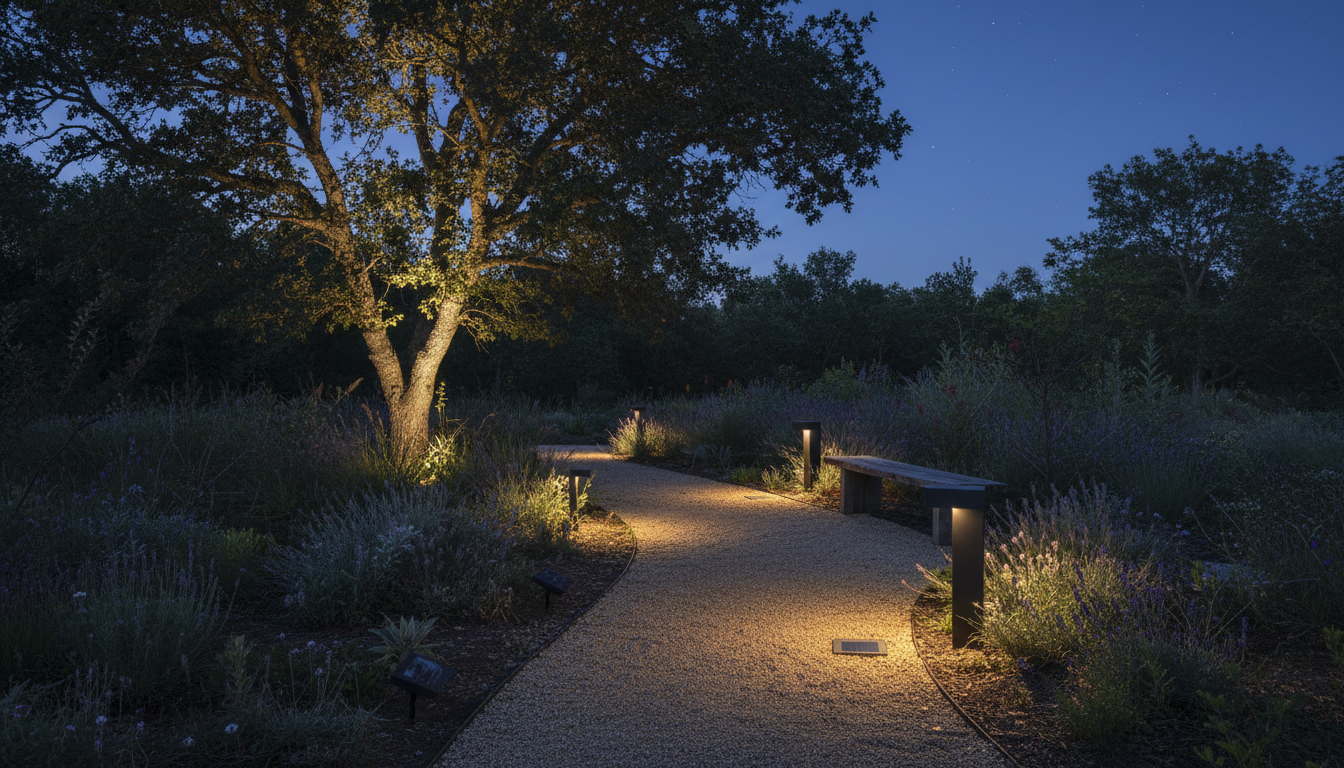
You probably want lights that save energy and cash. Solar brick lights do exactly that. They run on the sun’s power, so you don’t pay a dime for electricity. You can put them almost anywhere, even if there’s no outlet nearby. Here’s what makes solar brick lights stand out:
- They cut your electricity costs since they run on sunlight.
- No need to stress about power outages or wiring issues.
- They work great in spots regular lights can’t reach.
Regular lights pull electricity from your home or the grid. That means bigger bills and more energy use. If you want to cut down on waste, solar brick lights are a smart move.
Want to save money and help the planet? Try switching to solar-powered lighting for your outdoor spaces.
Sustainability
You care about the environment. Solar brick lights help you protect it. These lights don’t create pollution when they run, and they don’t add to your carbon footprint. You’re using clean energy every single night. That’s good for you and for nature.
Regular lights use electricity that often comes from burning fossil fuels. That process releases greenhouse gases, and over time, it harms the planet. Solar brick lights offer a greener solution. You get light without hurting the environment.
If you want to make your yard more eco-friendly, solar brick lights are a great step. You help wildlife by using softer, natural lighting. Plus, you show your neighbors that sustainability matters to you.
Small changes, like choosing solar lighting, can make a big difference for the earth.
Best Uses
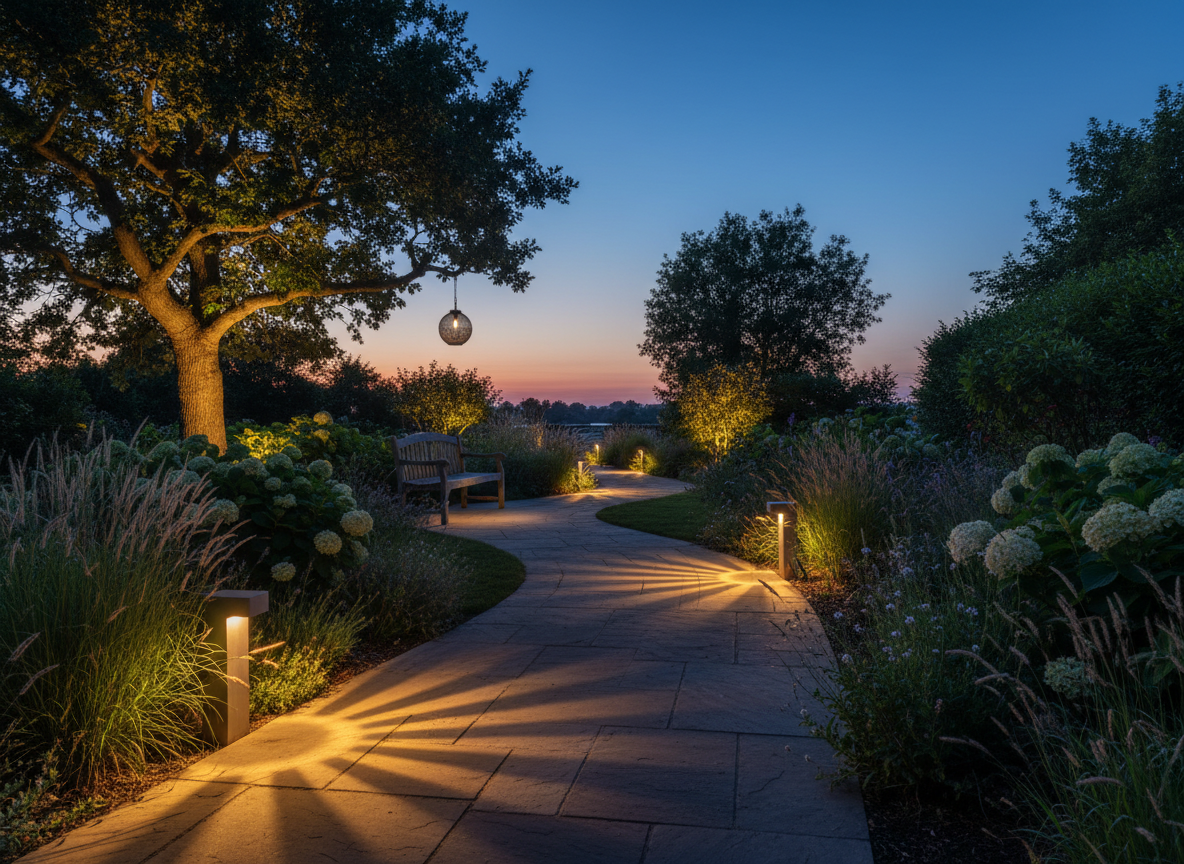
Solar Brick Lights: Ideal Scenarios
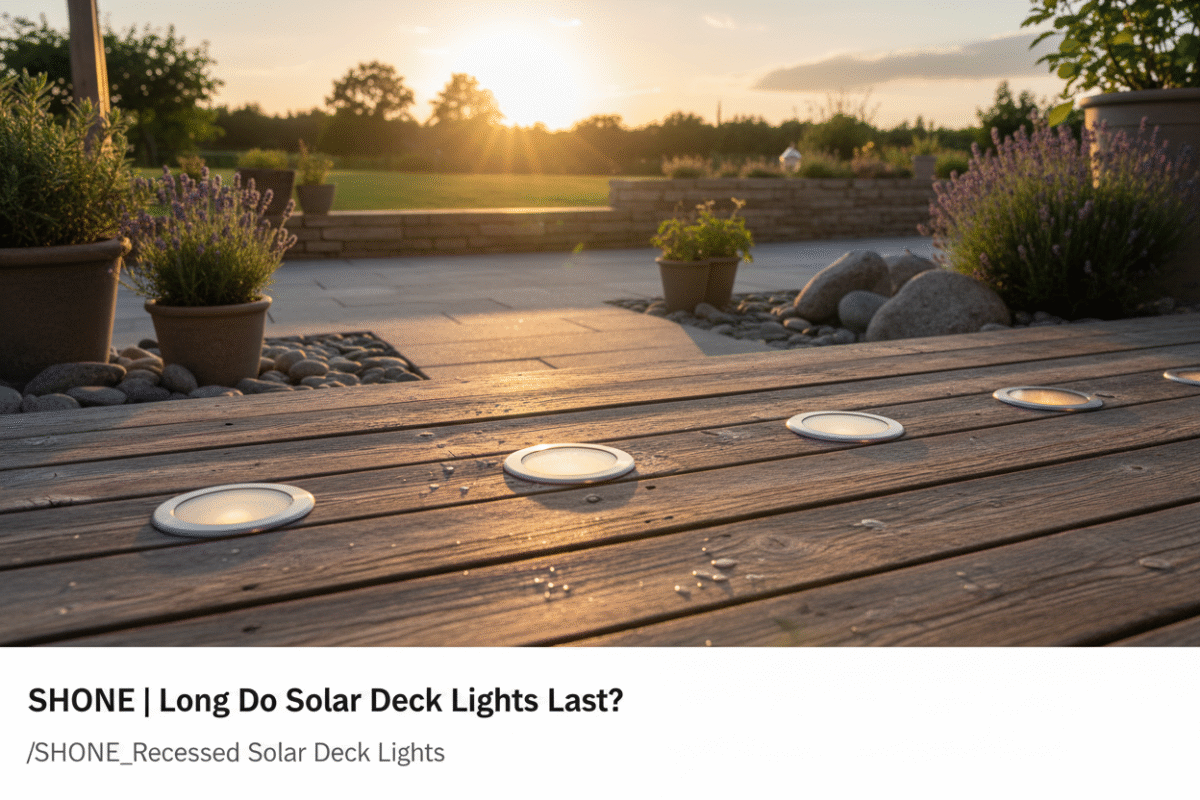
Solar brick lights work great in places that need a simple setup. You don’t have to deal with wires or hunt for a power outlet. Put them along your patio or garden path to help you see at night. Parks can use solar brick lights if there’s no electricity nearby. These lights are perfect for remote spots or short-term events, like outdoor parties or pop-up gardens.
Solar brick lights make walkways and gathering areas easy to spot. They help keep outdoor spaces safe and friendly after dark. Many park managers pick solar lighting to make parks safer and more useful. More people are looking for energy-saving tech for outdoor lights. If you want to help the planet, solar brick lights are a smart choice.
Here are some places where solar brick lights excel:
- Patios and decks
- Garden paths
- Parks and public spaces
- Remote areas without electricity
- Temporary outdoor installations
- Poolside walkways
- Driveways
Solar brick lights help you show off the shape of your yard. They look nice and keep things safe and easy to use.
Regular Lights: Ideal Scenarios
Regular lights let you control how bright they get and when they turn on. You can use ’em just about anywhere you need strong, steady light. Put ’em on your porch or driveway for better safety at night. They’re great for lighting up trees or garden decorations, too. And yeah, you can hang ’em for parties on fences or patios.
Common outdoor spaces for regular lights include:
- Garden beds
- Pathways
- Security lighting around doors and windows
- Front porch areas
- Floodlit driveways
- Spotlights for trees or statues
- Motion sensor lights for safety
- Wall lights for entrances
- Bollard lights for walkways
- Outdoor string lights for parties
- Outdoor can lights for covered patios
- Outdoor wall lights for accent lighting
- Outdoor flood lights for large areas
Regular lights give you a mix of style and safety. You can make your yard cozy or keep it secure with the right setup.
If you want lights that are easy to set up and save energy, solar brick lights are a solid choice. But if you need bright, steady light for safety or looks, regular lights give you way more options.
You’ve got two great choices for outdoor lighting. Solar brick lights work best if you want easy setup, low bills, and a greener option. Regular lights shine brighter and stay on no matter what the weather throws at ’em. Think about your space, your budget, and how much light you really need. Weigh the pros and cons. If you’re looking to save money and help the planet, go solar. If you need strong, steady light, pick regular lights. Either way, you can make your yard shine!
FAQ
How long do solar brick lights last?
Most solar brick lights last 1 to 5 years. You’ll probably need to swap out the battery every 2 to 3 years. Clean the panels regularly to help ’em last longer.
Can solar brick lights work in the winter?
Yeah, solar brick lights work in winter. You might notice they’re a bit dimmer on cloudy days or when snow covers the panels. Just wipe off snow and dirt for the best results.
Are solar brick lights waterproof?
Most solar brick lights are waterproof. You can leave ’em outside in rain or snow. Always check the product label to be sure before you buy.
Do regular lights use more energy than solar lights?
Yeah, regular lights pull electricity straight from your home. Solar lights, on the other hand, grab energy from the sun—so you’re not paying a dime for power. That’s why solar lights are a solid way to save money and cut down on energy use.
Where should I place solar brick lights for best results?
- Set them up where they’ll get 6–8 hours of direct sunlight every day.
- Stay away from shady spots under trees or roof overhangs.
- Keep those panels clean to get the brightest light possible.