Incandescent, LED, or Fiber Optic: Picking the Right Pool Lights
Pool lighting usually comes in three main types: incandescent, LED, and fiber optic. Each one brings something different to your backyard. LED lights save energy and last a long time. Incandescent lights cost less at first but use more electricity. Fiber optic lights keep electricity away from the water, making them extra safe. You want your swimming pool lights to match your style, budget, and safety needs.
Key Takeaways
- You can pick from three main types of pool lighting: incandescent, LED, and fiber optic. Each type has its own special features and good points.
- LED lights use the least energy. They can save you up to 80% on your electric bill. They last a long time and have bright color options.
- Incandescent lights cost less at first. But they use more energy and need to be replaced often. They give a warm and classic light.
- Fiber optic lights are safe because electricity does not touch the water. They make pretty effects but can cost more to put in.
- Think about your budget, safety, and style when you pick swimming pool lights. The right lights make your pool look better and work well.
Incandescent Pool Lighting
Incandescent Lighting Features
When you look at swimming pool lights, incandescent bulbs are the classic choice. You usually find them in older pools. These lights use a filament inside a glass bulb to create light. Most incandescent pool lighting fixtures run between 100 and 500 watts. The higher the wattage, the brighter your pool looks at night. Here’s a quick look at the wattage range:
| Wattage | Brightness Level |
|---|---|
| 100W | Low |
| 300W | Medium |
| 500W | High |
If you want to compare brightness and energy use, check out this chart:
Pros and Cons
You might like incandescent swimming pool lights because they cost less up front. They give off a warm, inviting glow that feels cozy. But these lights have some big drawbacks:
- Incandescent lights only turn about 10% of electricity into light. The rest becomes heat.
- They last about 1,000 hours, so you’ll need to replace them often.
- Running these lights costs more because they use more power.
If you use your pool lighting for four hours each day, you’ll probably need new bulbs before the year ends. That means more trips to the store and extra work for you.
Common Uses
You’ll see incandescent swimming pool lights in older pools or places where people want a soft, classic look. Some homeowners choose them for budget reasons. If you want simple pool lighting and don’t mind changing bulbs, these lights might work for you. But most people now pick other types for better energy savings and longer life.
LED Pool Lighting
LED Lighting Features
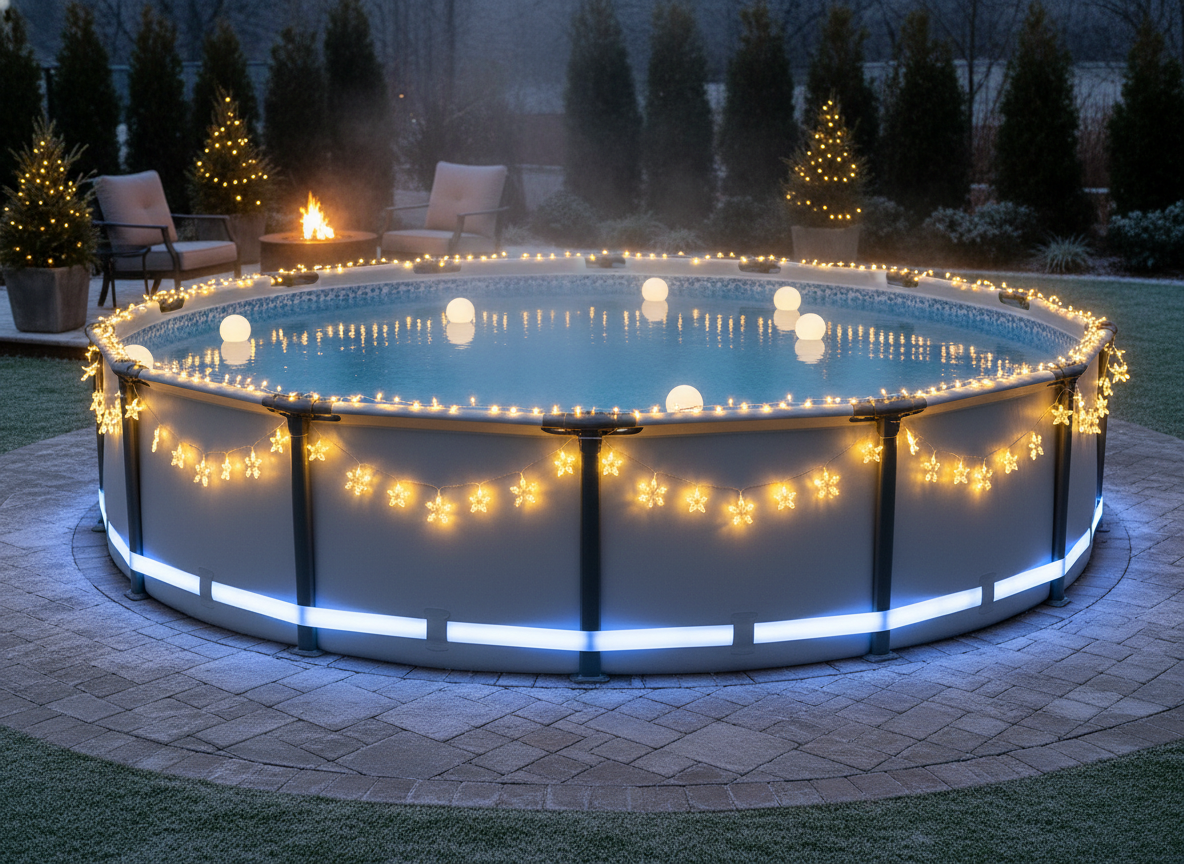
If you want modern pool lighting, LED stands out. You get bright colors, cool effects, and smart controls. Many new systems let you change the mood with a remote or your phone. You can pick vibrant hues for parties or soft ambers for relaxing evenings. Some LED lighting even covers your whole pool with 360° illumination, making night swimming safer.
Here’s a quick look at what makes LED lighting special in 2024:
- Full 360° coverage for even light.
- Multi-dimmable color options across the spectrum.
- Choices for cool or warm white light.
- Split lighting zones for different moods.
- Smart controls with apps or remotes.
- Motion-sensor technology for extra safety.
- Home system integration for a seamless experience.
You also get high-lumen options for big pools, using only 6-65 watts. That means you save energy but still get plenty of light.
|
Feature |
Description |
|---|---|
|
Energy Efficiency |
LED lights use up to 90% less energy than old bulbs. |
|
Customization |
You can pick from many colors and brightness levels. |
|
Smart Technology |
Control lights with apps or remotes. |
|
Long Lifespan |
LED lights last much longer, so you change bulbs less often. |
Pros and Cons
You’ll probably love led lighting for your pool because it saves you cash in the long run. It only uses about 20-25% of the energy that old incandescent lights need. You’re looking at up to 80% efficiency, which means less heat and way more light.
|
Lighting Type |
Energy Consumption (%) |
Efficiency (%) |
|---|---|---|
|
LED |
20-25% |
75-80% |
|
Incandescent |
100% |
10% |
|
Fiber Optic |
|
|
But led lighting does have a few downsides. If a light goes out, you can’t fix it—you have to swap out the whole fitting. The upfront cost is higher, and you’ll need special transformers. Some older models had problems with leaks, though the new resin-filled ones help with that.
Tip: If you want less hassle, go with resin-filled led lighting. It helps stop leaks and lasts longer.
Common Uses
You see led lighting in almost every new pool these days. Inground pools use built-in fixtures for full coverage. You can add accent lights to steps and ledges. Above-ground pools use magnetic kits or wall-mounted lights, so you don’t have to cut into the pool. Lots of homeowners pick swimming pool lights with LED tech for easy control, bright colors, and lower bills. If you want swimming pool lights that look great and work well, LED is a smart choice.
Fiber Optic Pool Lighting
Fiber Optic Features
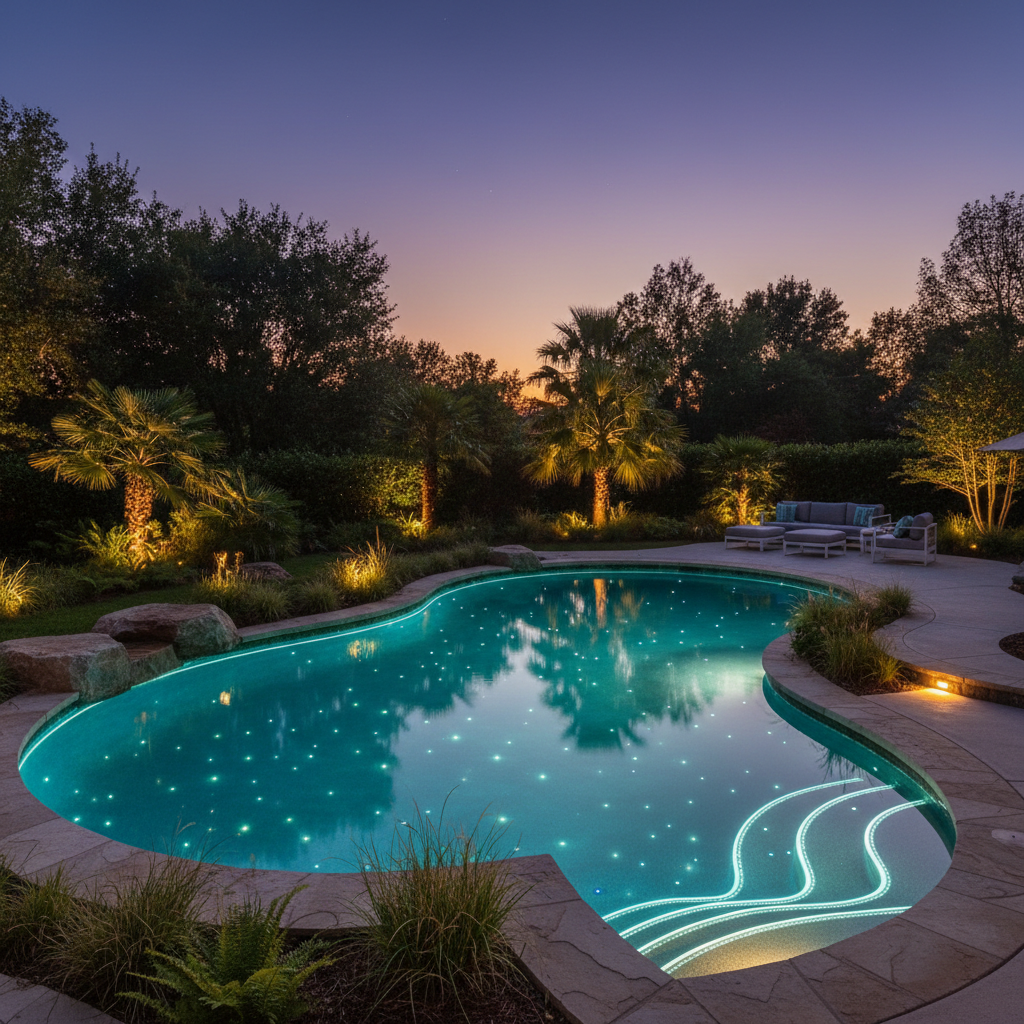
You might want to check out fiber optic lighting if you’re after something different for your pool. This type of pool lighting sends light through thin cables instead of putting bulbs in the water. The main bulb sits in a dry box, away from the pool. The light travels through the cables and shines out at the edges or in special spots. You never have to worry about electricity mixing with water.
Here’s a quick look at how fiber optic lighting compares to led lighting:
|
Feature |
Fiber Optic Lighting |
LED Lighting |
|---|---|---|
|
Method of Illumination |
Bulb in a dry box, light transmitted through fiber optic cables |
Bulbs submerged in water |
|
Ease of Bulb Replacement |
Easy access, can be changed in less than 5 minutes |
More difficult to access |
|
Safety |
No electricity in the water |
Electricity in the water |
You can change the bulb fast, usually in under five minutes. You also get peace of mind because there’s no power in the pool water.
Fiber optic lighting gives you a safe and stylish way to light up your pool. You can create glowing outlines, star effects, or even color-changing shows. You might like how easy it is to replace the bulb. You don’t have to drain the pool or call a pro every time.
But fiber optic lighting costs more to install than other swimming pool lights. Take a look at this table:
|
Lighting Type |
Average Installation Cost |
|---|---|
|
Fiber Optic |
$1,300 – $1,700 |
|
LED |
$1,000 – $1,500 |
|
Incandescent |
$450 – $650 |
You also need to keep the lens covers clean. If algae builds up, the lights can look dim. Sometimes, old seals or gaskets let water in, which can make the lights flicker or stop working. You should check and replace these parts to keep your swimming pool lights bright and safe.
Tip: Clean the lens covers often and check the gaskets. This helps your fiber optic lighting stay bright and last longer.
Common Uses
You see fiber optic lighting in pools where safety matters most. Many families pick this type for kids’ pools or shallow areas. You also find it in fancy pools that want a special look, like glowing edges or twinkling stars. Some people use fiber optic lighting to highlight waterfalls or garden paths around the pool. If you want swimming pool lights that stand out and keep electricity away from the water, this type could be your best choice.
Comparing Pool Lighting Types
Energy Efficiency and Cost
You want your pool lighting to look great and save money. Incandescent lights cost less to install but use more power and need more replacements. LED lights cost more at first but use much less energy. Fiber optic lights sit in the middle for cost and energy use. Take a look at this table to see how much you might spend each year:
|
Lighting Type |
Annual Operating Cost |
Lifespan (hours) |
Replacement Needed Over 11 Years |
|---|---|---|---|
|
Incandescent (300W) |
$131 |
5,000 |
3 |
|
LED (40W) |
$17 |
30,000 |
1 |
|
Fiber Optic |
|
6,000 |
2 |
LED pool lighting design stands out as the most energy efficient lighting. It uses up to 80% less power than old bulbs. That means lower bills and less impact on the planet.
Aesthetics and Customization
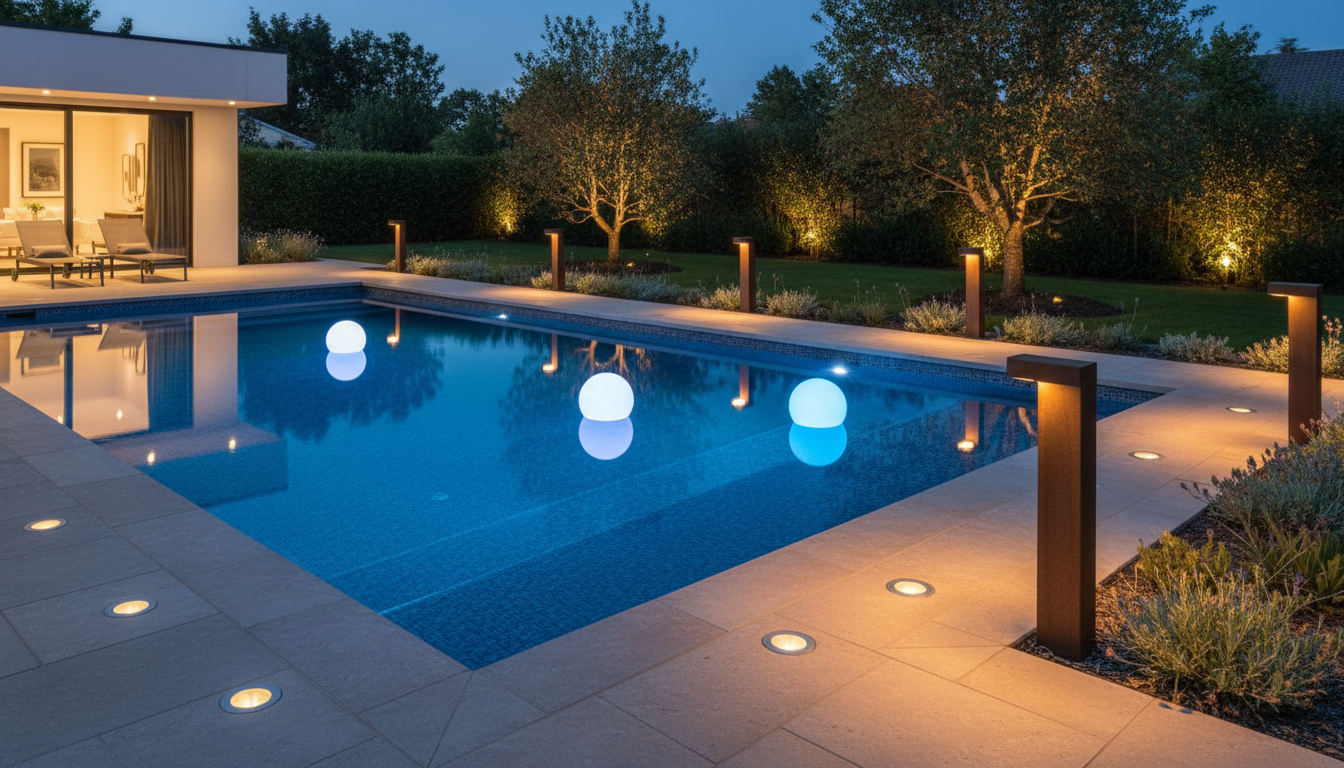
You want your pool lighting design to match your style. LED lights give you the most choices. You can pick colors, set light shows, and control everything from your phone. Fiber optic lights create dreamy effects and glowing outlines. Incandescent lights give a classic look but have limited color options.
|
Type of Lighting |
Customization Options |
|---|---|
|
White or multi-color, custom shows, remote controls |
|
|
Incandescent Lights |
Limited color options |
|
Fiber Optic Lighting |
Custom patterns, soft colors, star effects |
Lots of pool owners say LED pool lighting design looks stunning and creates an amazing vibe. Fiber optic lighting options add fun and dynamic effects to your pool.
Maintenance and Longevity
You want your swimming pool lights to last and stay bright. LED lights last the longest—up to 10 years or more. Incandescent bulbs burn out faster and need more changes. Fiber optic systems last 3 to 7 years if you keep them clean. Check your underwater lighting at least once a month and do a full check every six months. Good maintenance keeps your pool lighting design safe and beautiful.
|
Lighting Type |
Typical Lifespan |
|---|---|
|
LED |
10–15 years |
|
Incandescent |
1–2 years |
|
Fiber Optic |
3–7 years |
Tip: Practice regular maintenance to keep your pool lighting design working well and looking great.
Choosing Swimming Pool Lights
You’ve got a ton of options when it comes to pool lighting design. So, what matters most to you?
- Want to save some cash and cut down on energy? Go with LED pool lighting design.
- Prefer a classic, old-school vibe for your underwater lighting? Try incandescent.
- Safety is your number one priority for your pool lighting design? Fiber optic’s the way to go.
- Craving lots of colors and cool effects? LED and fiber optic are your best bets.
Halogen lights are out there, but they’re not as popular as the big three. They eat up more energy and don’t last nearly as long as LED.
When you’re picking out swimming pool lights, think about energy use, cost, style, and how much maintenance you’re up for. The right pool lighting design will make your backyard pop and match your lifestyle.
You’ve really got three main choices for pool lights: incandescent, LED, and fiber optic. Each one brings something different to the table. So when you’re making a decision, keep these key points in mind:
- Figure out if you’re after safety, style, or a bit of both.
- Set a budget for buying the lights and running them.
- Check how bright you need your pool to be.
- Look for options that are waterproof and built to last.
- Pick colors and controls that feel right for you.
Here’s a quick guide to help you narrow it down:
|
Type of Light |
Best For |
|---|---|
|
LED Pool Lights |
Modern, energy-saving, colorful pools |
|
Extra safety and unique effects |
|
|
Halogen Pool Lights |
Small pools and tight budgets |
|
Solar Floating Lights |
Easy, eco-friendly, simple setups |
Just pick the pool lights that fit your pool’s size, your style, and how you plan to use it. The right lighting really makes your backyard shine.
FAQ
What pool lighting lasts the longest?
LED pool lights are the champs here. You can expect them to shine for up to 15 years. That means way fewer swaps compared to incandescent or fiber optic options.
Can you install pool lights yourself?
You can handle some pool lights yourself, like solar or magnetic LED kits. But for wired stuff, call a pro. Safety’s a big deal when you’re mixing electricity and water.
Do pool lights use a lot of electricity?
LED pool lights barely sip electricity. Incandescent lights? They guzzle power and cost more to run. Fiber optic sits somewhere in the middle. Bottom line: you’ll save money with LED.
Are pool lights safe for kids?
Pool lights are totally safe when they’re installed the right way. Fiber optic models give you an extra layer of safety since there’s no electricity near the water. Just make a habit of checking your pool lights regularly and keeping them in good shape.
Can you change the color of pool lights?
Yeah, you can switch things up with LED or fiber optic pool lights. Most systems let you pick your favorite color using a remote or an app. Incandescent bulbs, though? They’re pretty much stuck with one color.