Key Takeaways
- Go with LED and recessed lights for safe stair lighting. They’re bright and fit pretty much any home style.
- Mix different types of light—like ambient and accent—to make stairs safer and your home feel warmer.
- Think about energy savings when choosing lights. LED lights use way less power and can really cut down your electric bill.
- Place your lights right. Good placement stops dark spots and keeps everyone on the stairs safe.
- For outdoor stairs, pick lights that can handle the weather—or go with solar. That keeps things safe and visible no matter what.
Key Factors for Staircase Lighting
Safety and Visibility
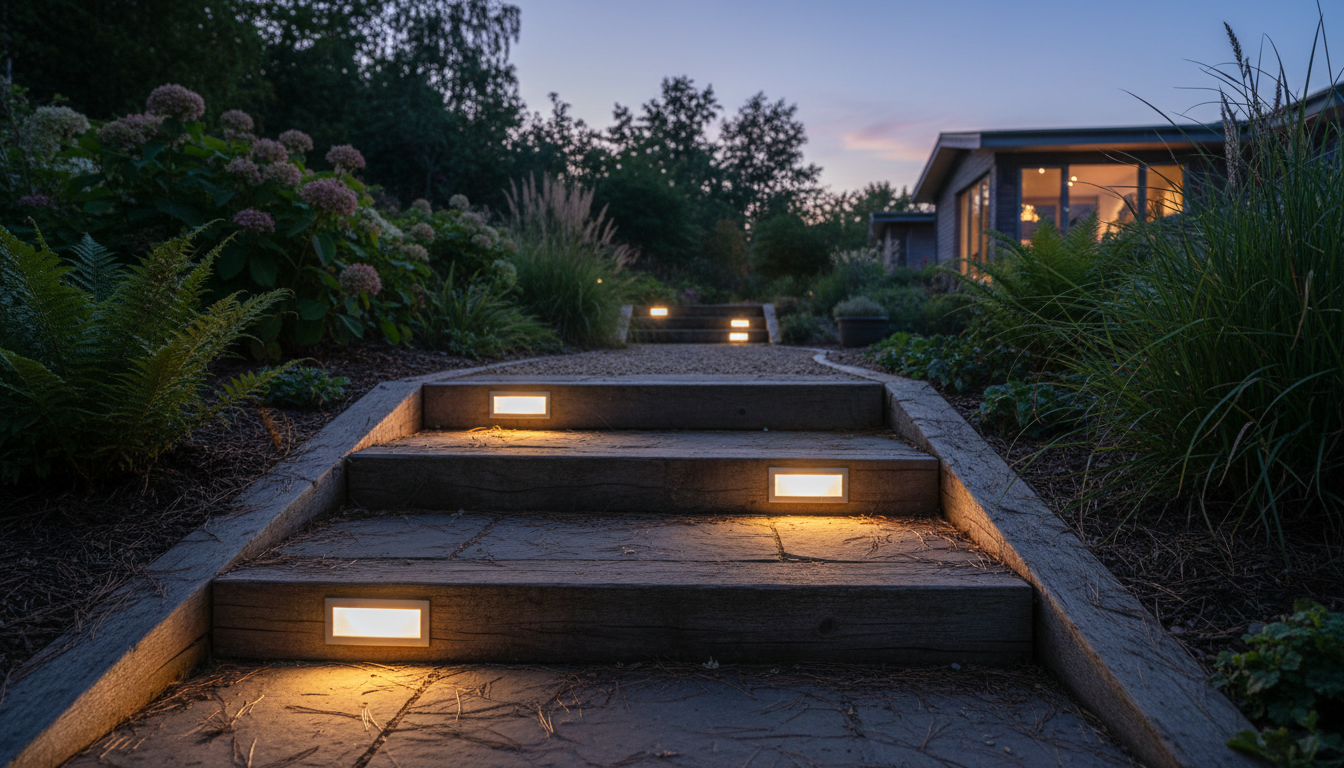
You want your stairs to be safe all day long. Good lighting lets you see each step clearly, which cuts down on trips and falls. That’s especially important for kids and older folks. People with poor eyesight need it too. Safety experts and building codes have specific rules for stair lights:
|
Code Reference |
Requirement |
Details |
|---|---|---|
|
NFPA 101 Chapter 7 |
Emergency Illumination |
Minimum lighting of 10 fc (108 lux) in stairways, 1 fc (10.8 lux) on floors during power outages. |
|
2015 IRC R303.7 |
Interior Stairway Illumination |
Artificial light source required for treads and landings, minimum 1 foot-candle (11 lux). |
|
2015 IRC R303.8 |
Exterior Stairway Illumination |
Light source required at top and bottom landings of exterior stairways. |
Good lighting does more than just follow the rules. It helps you see every step, even late at night. You need contrast between steps so you can judge depth and distance.
Tip: Use sunlight along with electric lights to keep stairs bright.
Style and Ambiance
Lighting isn’t just about keeping you from tripping. It really sets the whole vibe. Warm lights make your stairs feel super cozy, while cooler tones give off a sleek, modern look. Most designers go with a color temperature between 2700K and 3000K. That range gives you a soft glow that just feels right in the evening.
Here are some popular styles people are using:
- LED lights under each step for that cool floating look.
- LED strips built right into the handrails for a modern touch.
- Recessed channels to highlight special features or artwork.
You can mix and match different lights to create something totally unique.
Energy Efficiency
Nobody wants crazy high bills just to light up their stairs. LED lights use way less power than old-school bulbs. Here’s a quick comparison:
|
Bulb Type |
Power Consumption (kWh/year) |
|---|---|
|
10W LED |
10.95 |
|
60W Incandescent |
65.7 |
Switching to LEDs can save you around $86.40 each year. That’s if you swap out four halogen lights for four LED fixtures. Pretty nice to have that cash for other stuff.
Installation and Maintenance
Putting in stair lights can be a bit of a project. You might need carpenters, electricians, and painters to get it all done. Here are some common headaches people run into:
|
Challenge |
Description |
|---|---|
|
Coordination with Other Trades |
You need teamwork between different workers for a smooth install. |
|
Compliance with Building Codes |
Following local rules keeps your project safe and avoids delays. |
|
Inadequate Light Levels |
Make sure every part of your stairs gets enough light for safety and style. |
Once your LED lights are in, they don’t need much attention. Just keep an eye out for any dim or flickering bulbs and clean the fixtures to keep them bright. Good quality bulbs last a lot longer, so you won’t be changing them all the time.
Best Staircase Lighting Ideas
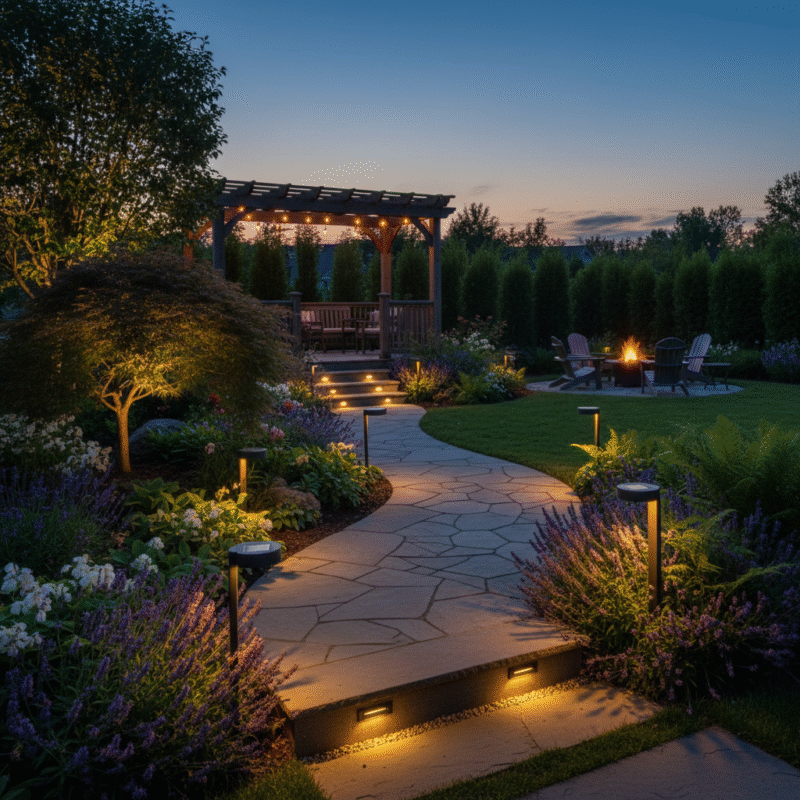
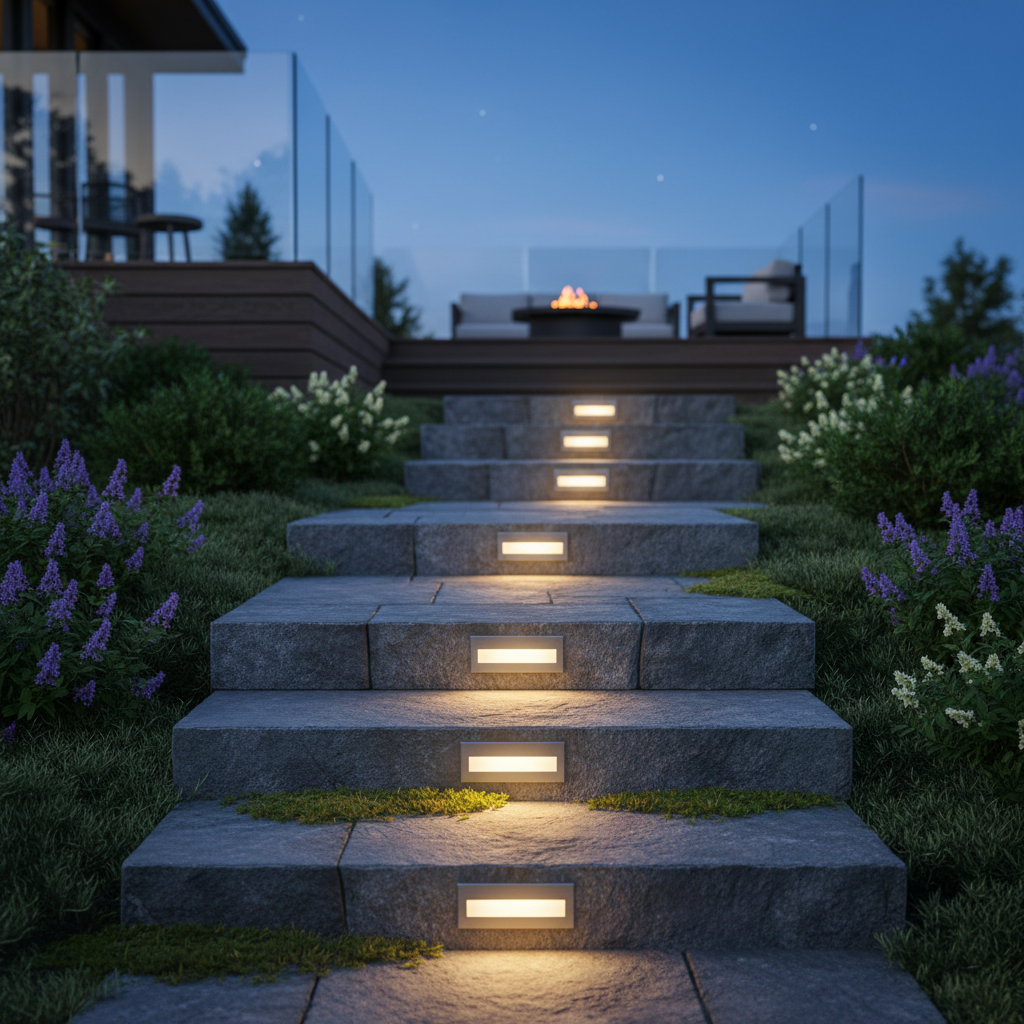 If you want your stairs to look awesome and stay safe, there are plenty of lighting ideas to try out. Here are some top picks for both indoor and outdoor stairs. Feel free to mix and match styles to fit your home and your taste.
LED Step Lights
A lot of folks really like LED step lights. They’re bright and don’t eat up a ton of energy. You put them on each step or right next to the tread, so every single step is lit up. A popular choice is Muzata LED step lights—they use less power, last forever, and you can dim or brighten them as needed. No special tools required either, so it’s a solid DIY project.
Here’s why LED step lights are such a good call:
|
Benefit Type |
Description |
|---|---|
|
Improved Safety |
LED step lighting lights up steps, so you are less likely to trip and you feel safer. |
|
Inviting Glow |
Makes stairs look warm and nice, so your home feels welcoming. |
|
Wayfinding |
Helps you find your way in the dark, so you do not get lost. |
- Safety matters: Good lighting helps you avoid tripping, especially when it’s dark or wet.
- Looks great: Soft light adds a cool pattern and makes your stairs pop.
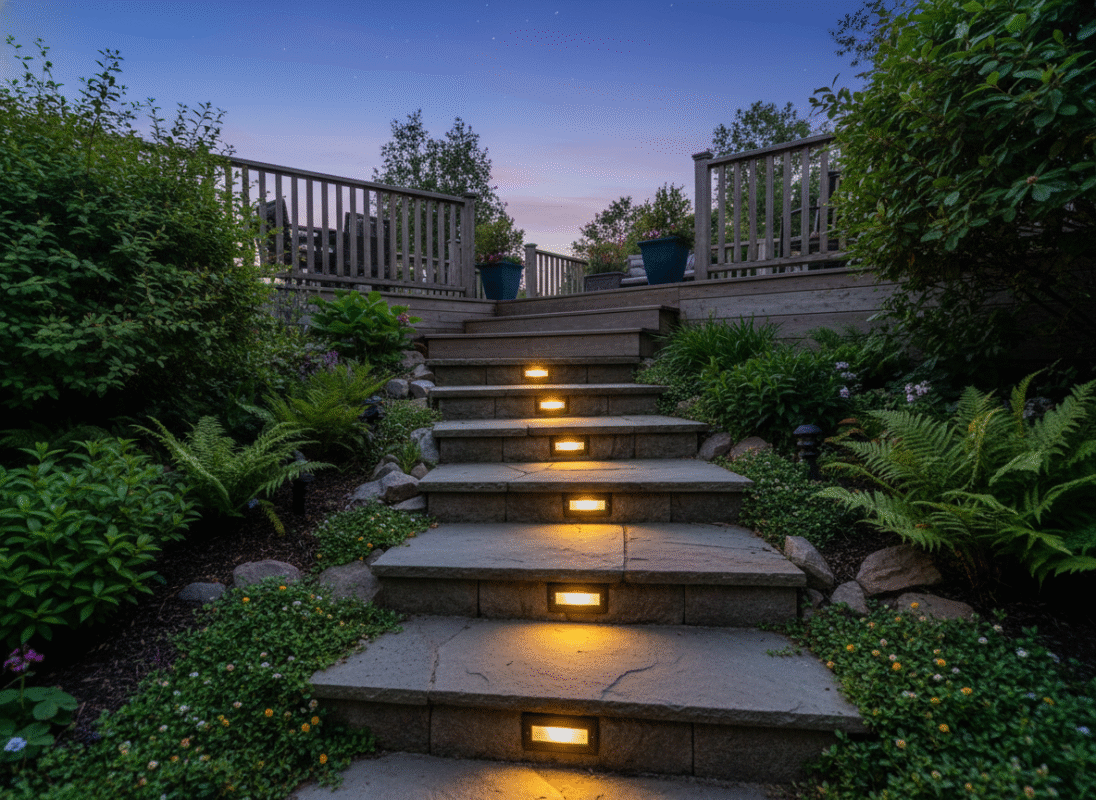
You can use LED step lights indoors or outdoors. They’re also a perfect fit for lights for paver steps.
Recessed Stair Lights
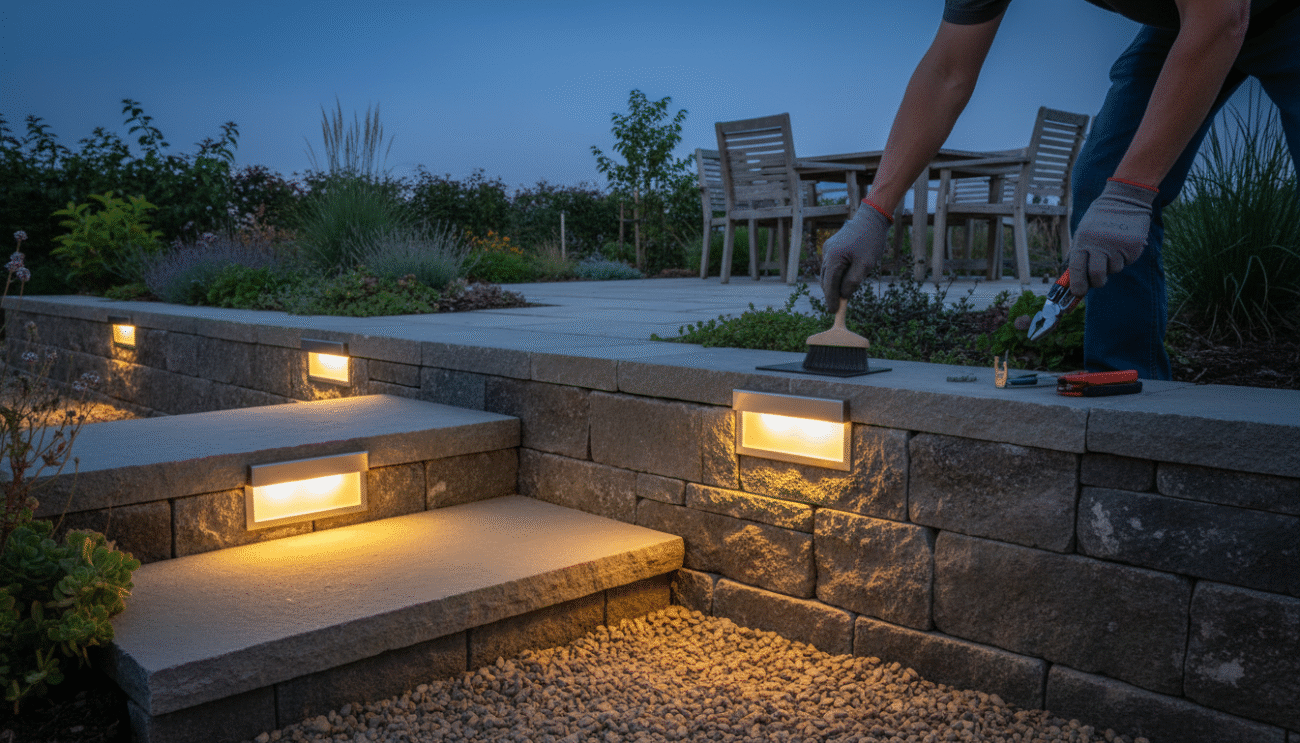
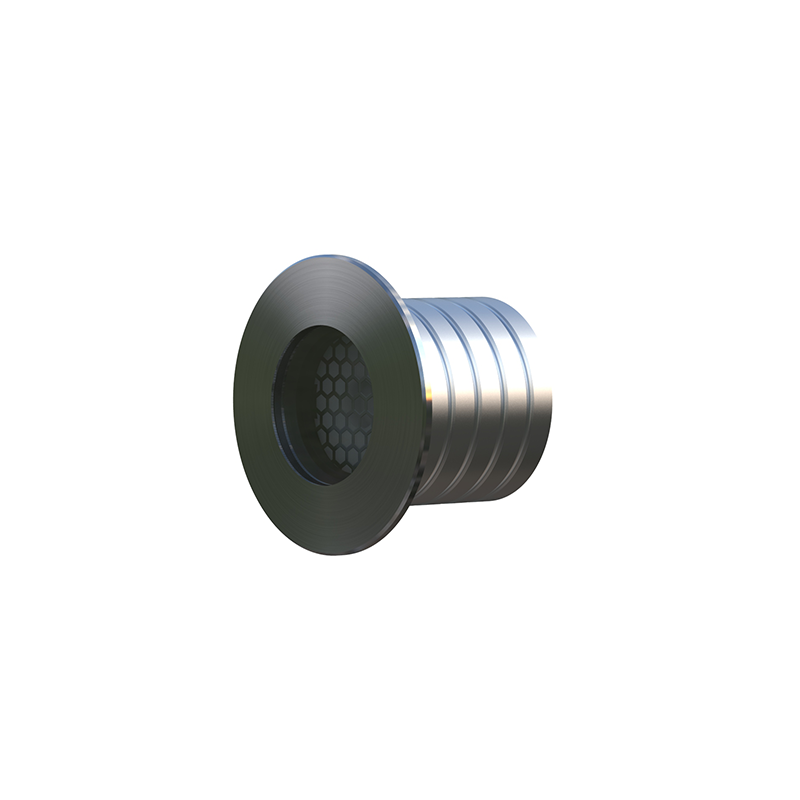
Recessed stair lights give your stairs a sleek, clean look. These lights sit inside the wall or step, so all you see is the light itself—not the fixture. If you’re going for a modern vibe, recessed lights are a top choice. They spread light evenly across each step, which helps keep everyone safe.
Here are the main reasons to go with them:
|
Advantage |
Description |
|---|---|
|
Safety First |
Gives even light so you do not trip on stairs. |
|
Ambiance |
Makes your home feel cozy and look better. |
|
Energy Efficiency |
LED types last a long time and use less power. |
|
Design Versatility |
Comes in many styles to fit your home. |
|
Easy Installation |
Simple designs make them easy to put in. |
You can use recessed stair lights inside or outside for weatherproof lighting. They pair nicely with other lights, like step lights or accent lights.
Illuminated Handrails
Illuminated handrails bring together safety and style. You get light right where your hand goes, so you can see your feet and never miss a step. Studies show that handrails with lights really help older folks and kids stay steady. Some lights even turn on automatically when you walk by, so your stairs are lit exactly when you need them.
- Good lighting is key for stair safety, especially for kids and older people.
- Lots of people use handrails to prevent falls, and adding lights makes them even safer.
- Automatic lights make sure the stairs are bright the moment someone gets close.
When you’re picking materials for handrails with lights, go with stuff that lasts. Aluminum and stainless steel are your best bets. Stainless steel comes in different grades for indoors (304) and outdoors (316), so your illuminated handrails stay strong and look great for years.
|
Material |
Durability Characteristics |
|---|---|
|
Aluminum |
Tough, does not break easily, and works in all weather. |
|
Stainless Steel |
Comes in types for inside (304) and outside (316), so it lasts and does not rust. |
You can put illuminated handrails on wood, metal, or plastic stairs. They fit with all kinds of lighting setups and work well for indoor or outdoor steps.
Linear and Tread Lights
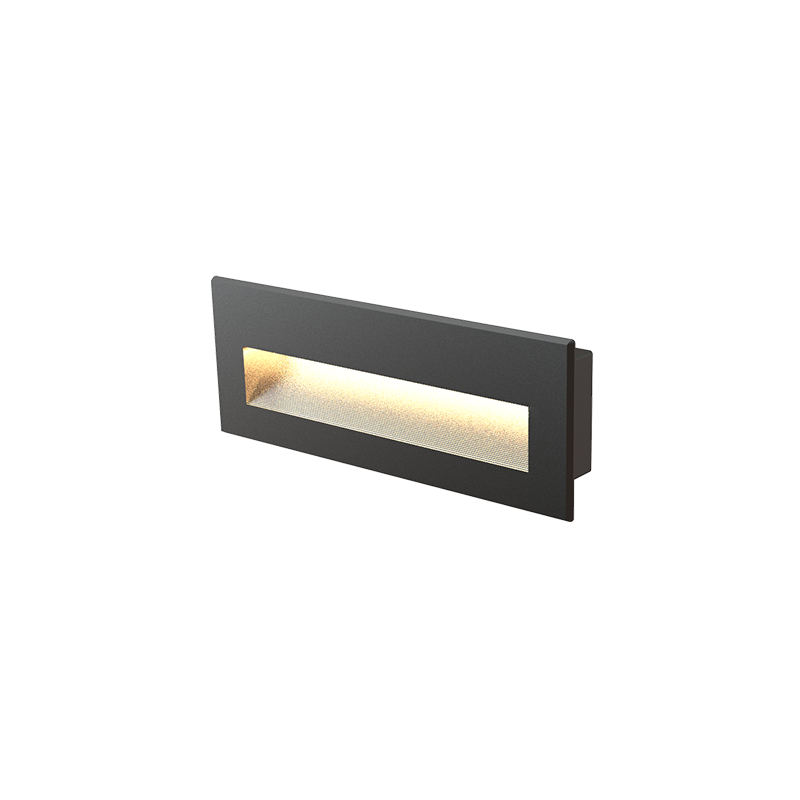
Linear step lights and tread lights are a solid pick for modern homes. You get a clean line of light on each step or right under the tread, which makes the stairs look like they’re floating. It’s a lot easier to tell if the stairs go up or down, and you can spot anything left in the way. LED linear step lights use way less power and last longer than those old bulbs.
- Safety: Good stair lighting helps you catch changes in step height or anything sitting on the stairs.
- Looks nice: Linear step lights really show off the shape and style of your stairs.
- Saves energy: LED step lights and tread lights cut down your power bill and need less upkeep.
Tread lights with smart sensors only switch on when you need ’em, so you save even more energy. You can use linear step lights inside or outside—they work great as lights for paver steps too.
Backlighting and Accent Options
Backlighting and accent lights let you get creative with your stair lighting. You can go with LED strips under each step, recessed lights on the side, or wall lights to show off art or decorations. Frosted covers on LED strips keep the light soft and not too harsh. Linear lights running along the stairs look cool and hide the fixtures for a clean finish.
- LED strips in steps with covers make stairs safe and stylish.
- Recessed LED lights on the side set the mood, but you’ve gotta place ’em just right.
- LED lights under handrails help you see better and add a fancy touch.
- Wall lights for stairwells highlight art and make your space feel bigger.
Try pairing backlighting with step lights or linear step lights for a look that’s all your own. These lighting ideas work for both inside and outside stairs, so you can light up just about any area.
Tip: Mix different kinds of stair lighting together for the best combo of safety, style, and energy savings.
Pros and Cons of Popular Lighting Types
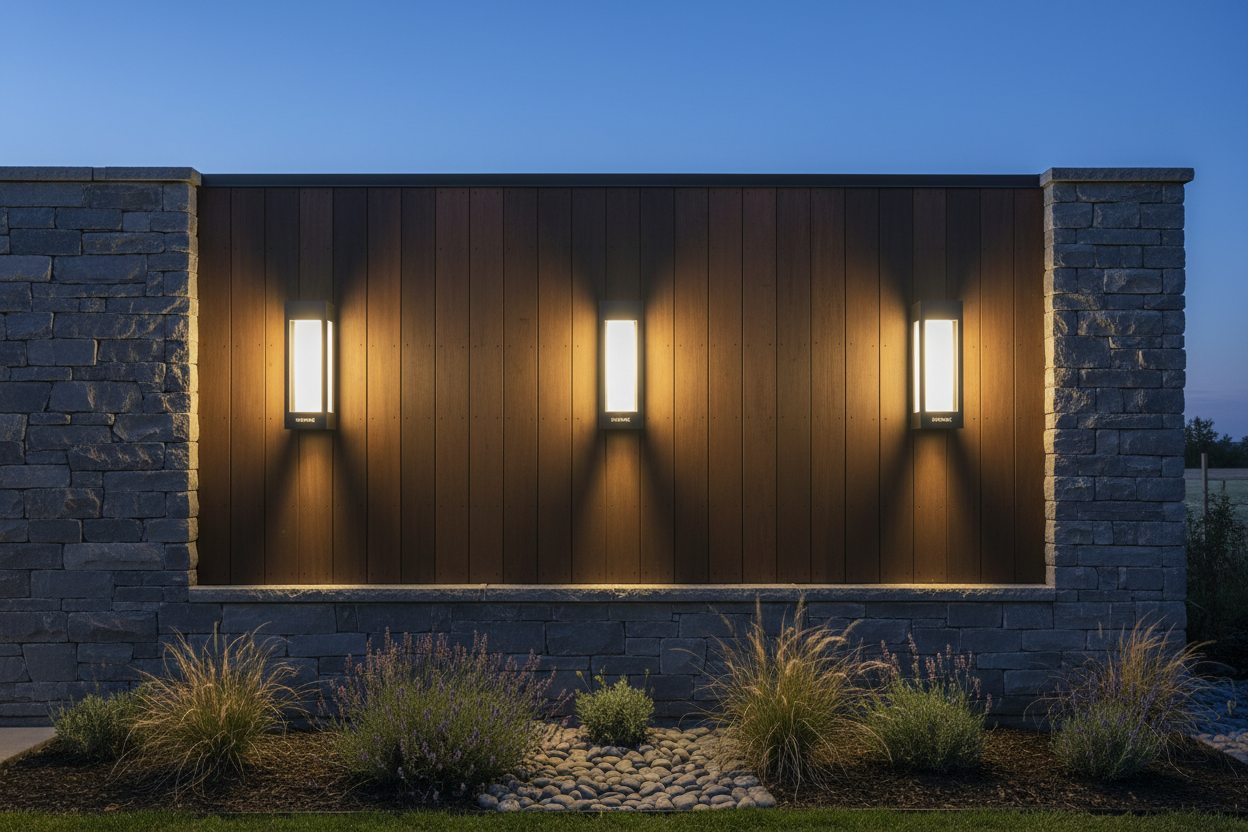
LED Step Lights – Pros & Cons
LED step lights give you bright steps and help you see where you walk. You can install individual stair lights on each tread, so every step stands out. These LED step lights use little energy and last a long time. You can dim them for a softer look or keep them bright for safety.
|
Pros |
Cons |
|---|---|
|
Easy to install |
May need wiring |
|
Energy efficient |
Can be pricey up front |
|
Long lifespan |
Some styles look too modern |
Tip: If you want a simple upgrade, try individual stair lights that fit your style.
Recessed Lights – Pros & Cons
Recessed lights hide inside your wall or step. You only see the glow, not the fixture. These recessed lights make your staircase lighting look clean and modern. You get even light across the stairs, which helps prevent trips.
|
Pros |
Cons |
|---|---|
|
Sleek appearance |
Installation can be tricky |
|
Good for small spaces |
May need professional help |
|
Safe and reliable |
Harder to replace bulbs |
Handrail Lighting – Pros & Cons
Handrail lighting puts light right where you need it. You can see your hand and your feet at the same time. This type works well for families with kids or older adults. Some handrails have sensors, so the lights turn on when you walk by.
- Pros:
-
- Adds safety for everyone
- Looks stylish and modern
- Can use energy-saving LEDs
- Cons:
- May cost more than other options
- Needs strong materials for outdoor use
- Might require custom installation
Linear and Tread Lights – Pros & Cons
Linear lights and treadlights run along each step or under the tread. You get a line of light that makes your stairs look like they float. Treadlights help you see changes in height and spot things on the stairs.
- Treadlights boost safety and visibility, especially in low-light areas.
- They help you find your way during emergencies.
- You meet building standards with treadlights, so your lighting stays reliable.
|
Pros |
Cons |
|---|---|
|
Modern look |
May need special fixtures |
|
Uniform lighting |
Can be hard to clean |
|
Great for wayfinding |
Might show dust easily |
Backlighting – Pros & Cons
Backlighting lets you get creative with your stairs. You can use LED strips under each step or behind the wall. This style sets the mood and makes your space feel bigger.
- Common issues include burnt-out bulbs, dusty fixtures, and debris buildup.
- You need to clean backlighting often to keep it bright.
Note: Mix backlighting with individual stair lights or treadlights for a safe and stylish look.
How to Light Up Stairs for Safety and Style?
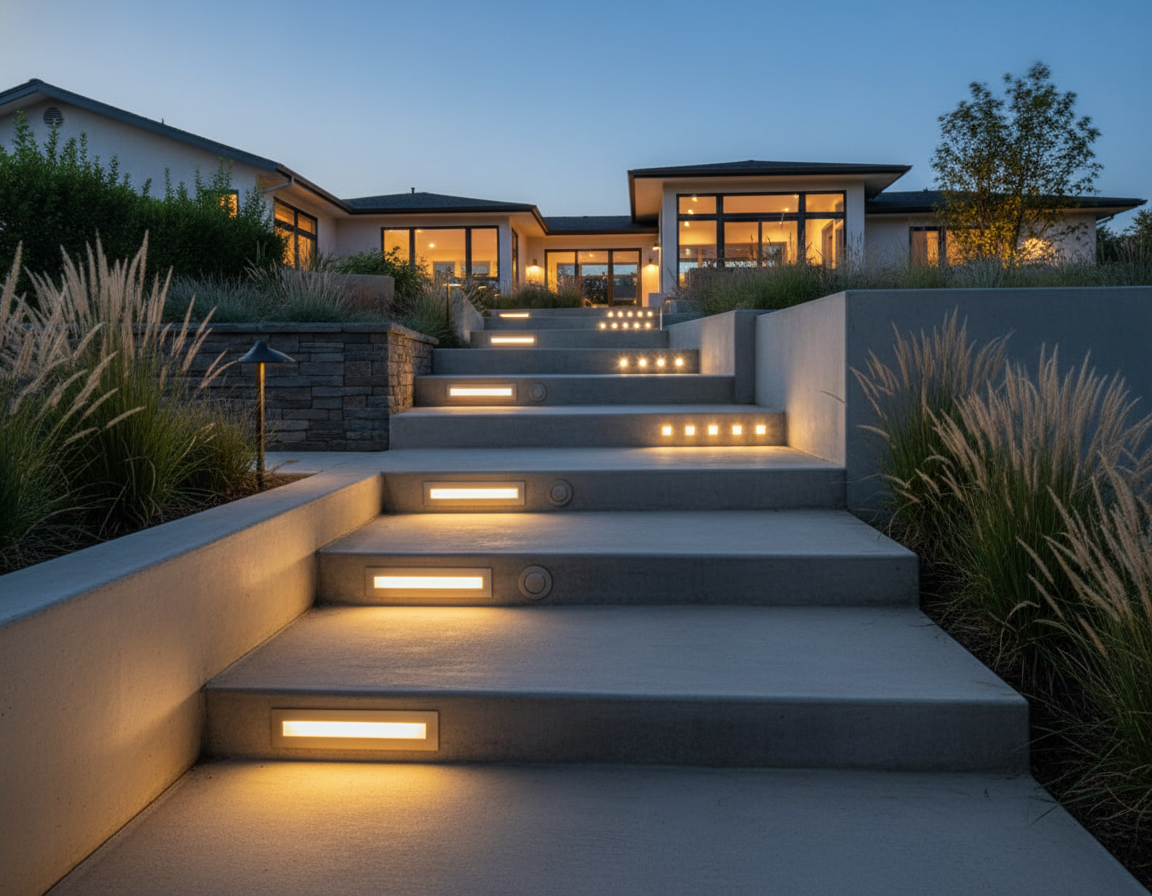
Placement Tips for Even Lighting
You want your stairs to feel safe and look great. Start by picking fixtures that last, especially if you have outdoor steps. Weather-resistant lights work best outside. Low-voltage LED lights save energy and keep things safe.
- Place lights at the right height so you see each step clearly.
- Use more than one light source to avoid dark spots.
- Pick fixtures that match your stairs and fit the space.
- Make sure the lights are rated for where you plan to use them.
Try to use lights that spread out the glow. Harsh shadows can hide steps and make walking risky.
If you follow these tips, you’ll light up stairs evenly and make them safer for everyone.
Layering Light Sources
Layering different types of lights gives your stairs a balanced look. You can mix recessed lights, LED strips, and even pendant lights. This approach makes your staircase stand out and keeps every step bright.
Here’s a quick guide:
- You get a dynamic effect that looks good day or night.
- Layered lighting boosts safety and adds style.
- You can change the mood for parties or quiet evenings.
- Use ambient lighting for the whole stair area.
- Add task lighting for each step.
- Finish with accent lights to highlight cool details.
Common Mistakes to Avoid
A lot of folks make simple errors with their staircase lighting. Here’s what to watch for:
- Not using enough lights, which leaves stairs dark and unsafe.
- Putting lights in the wrong spots, causing shadows and uneven brightness.
- Forgetting about dimmers, so you can’t adjust the mood or brightness.
Avoid these, and your stairs will look better and feel a whole lot safer. Good lighting choices make it easy for everyone to move with confidence.
Outdoor Staircase Lighting and Lights for Paver Steps
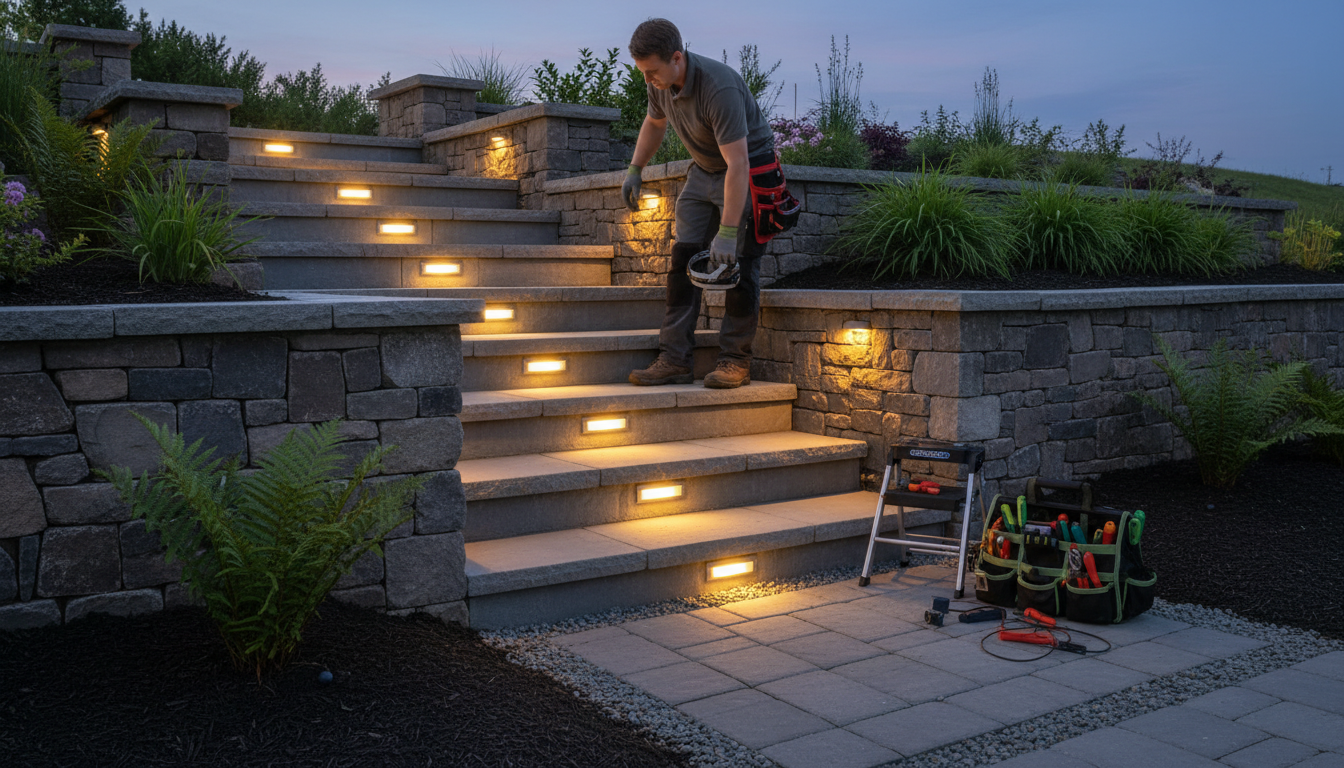
Weather-Resistant LED Options
If you want your outdoor stairs to stay bright and safe, you need lights that can handle rain, snow, and heat. Look for weather-resistant LED options. These last longer and keep working even when the weather shifts. There are plenty to choose from, but some really stand out for durability and performance.
|
Product Name |
Description |
|---|---|
|
Suitable for outdoor stairs, weather-resistant. |
|
|
Gigalumi Solar Deck Lights |
Designed for outdoor use, weather-resistant. |
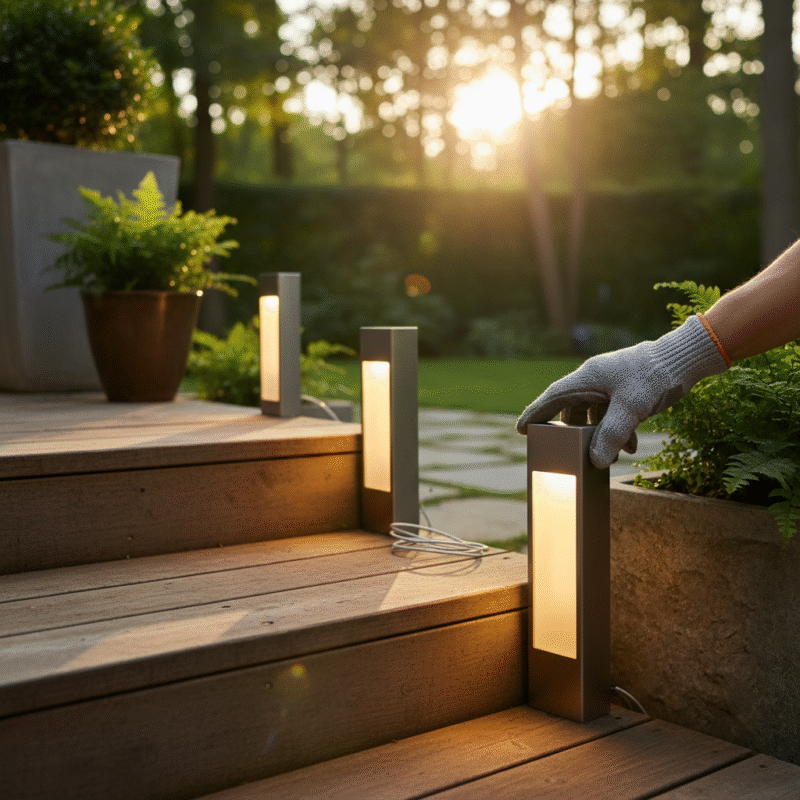
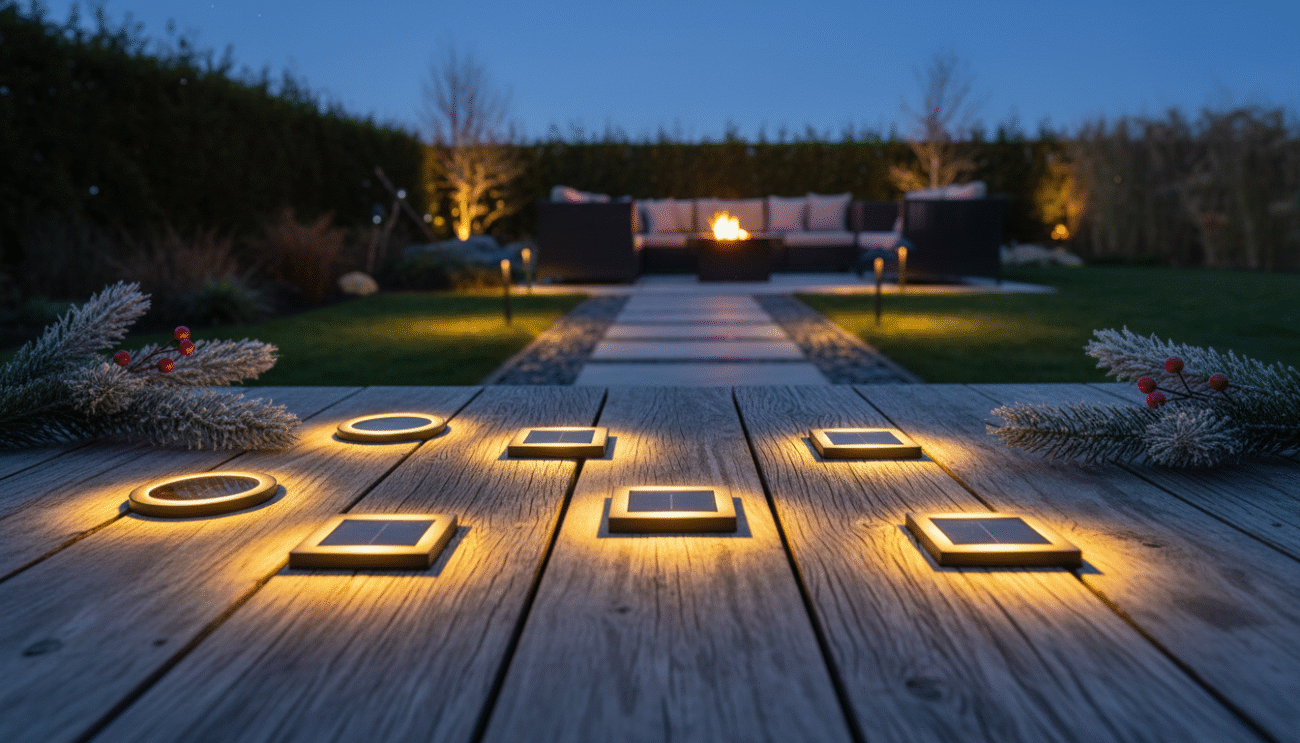
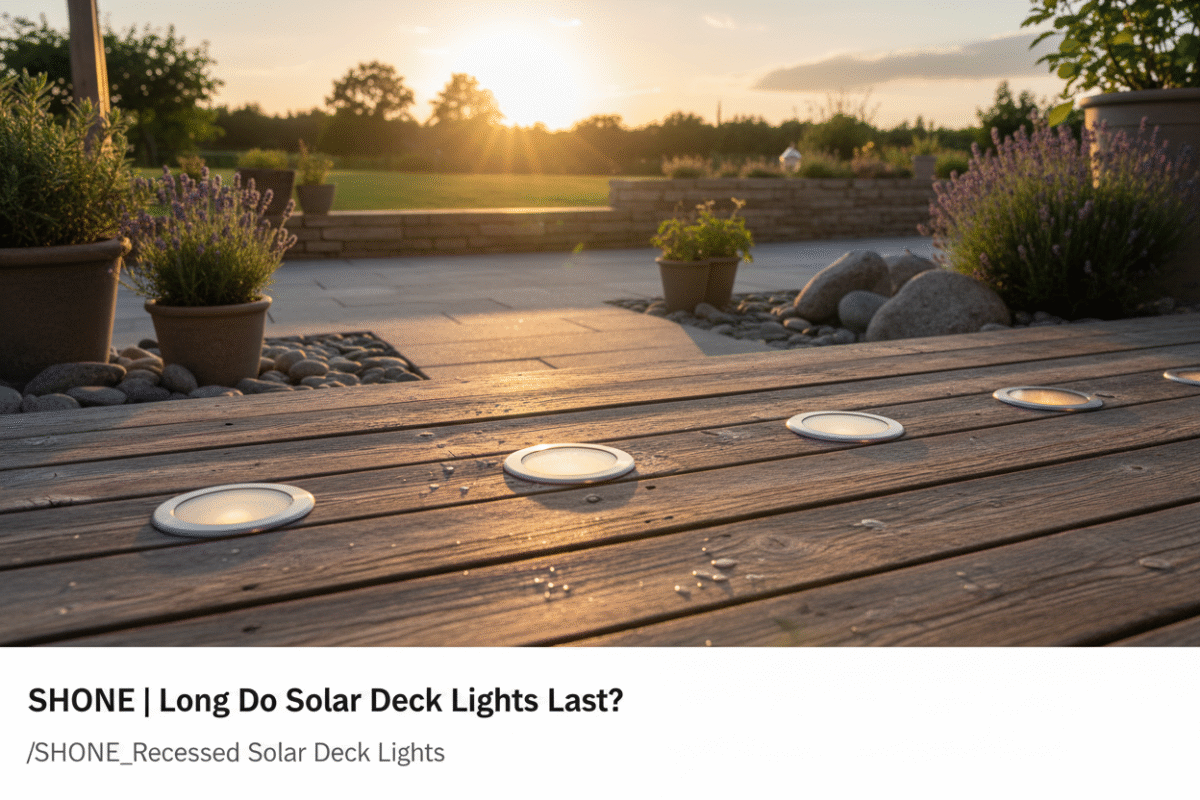
Both of these LED lights work great for outdoor steps and lights for paver steps. You can install them easily, and they keep shining even after a storm. Solar-powered ones save energy and don’t need any wiring.
Placement for Outdoor Safety
You want your outdoor stairs to be safe at night and during bad weather. The way you place your lights for paver steps really matters. Follow these steps to keep your stairs safe and your lights working well:
- Clean the lights for paver steps and the area around them often.
- Check for cracks or loose connections in your lights for paver steps.
- Replace any broken lights for paver steps right away.
- Make sure the wiring for your lights for paver steps is secure.
- Trim plants so they don’t block your lights for paver steps.
- Don’t put heavy things on your lights for paver steps.
- Watch for water that might damage your lights for paver steps.
- Test your lights for paver steps regularly to make sure they work.
- Ask a professional for help if you see big problems.
Tip: Place your lights for paver steps along the edges and on each tread. That way everyone can see where to step, and it keeps accidents away.
Combining Natural and Artificial Light
You can make your outdoor stairs look amazing by mixing sunlight with your lights for paver steps. During the day, sunlight keeps your steps bright. At night, your LED lights take over. If you use solar-powered lights for paver steps, you get the best of both worlds. These lights charge in the sun and light up your stairs after dark. You can also add motion sensors so the lights turn on only when someone walks by. This saves energy and keeps your stairs safe.
Note: Try using both natural and artificial light for a welcoming outdoor space. Your stairs will look good and stay safe all day and night.
Choosing the Right Staircase Lighting for Your Home
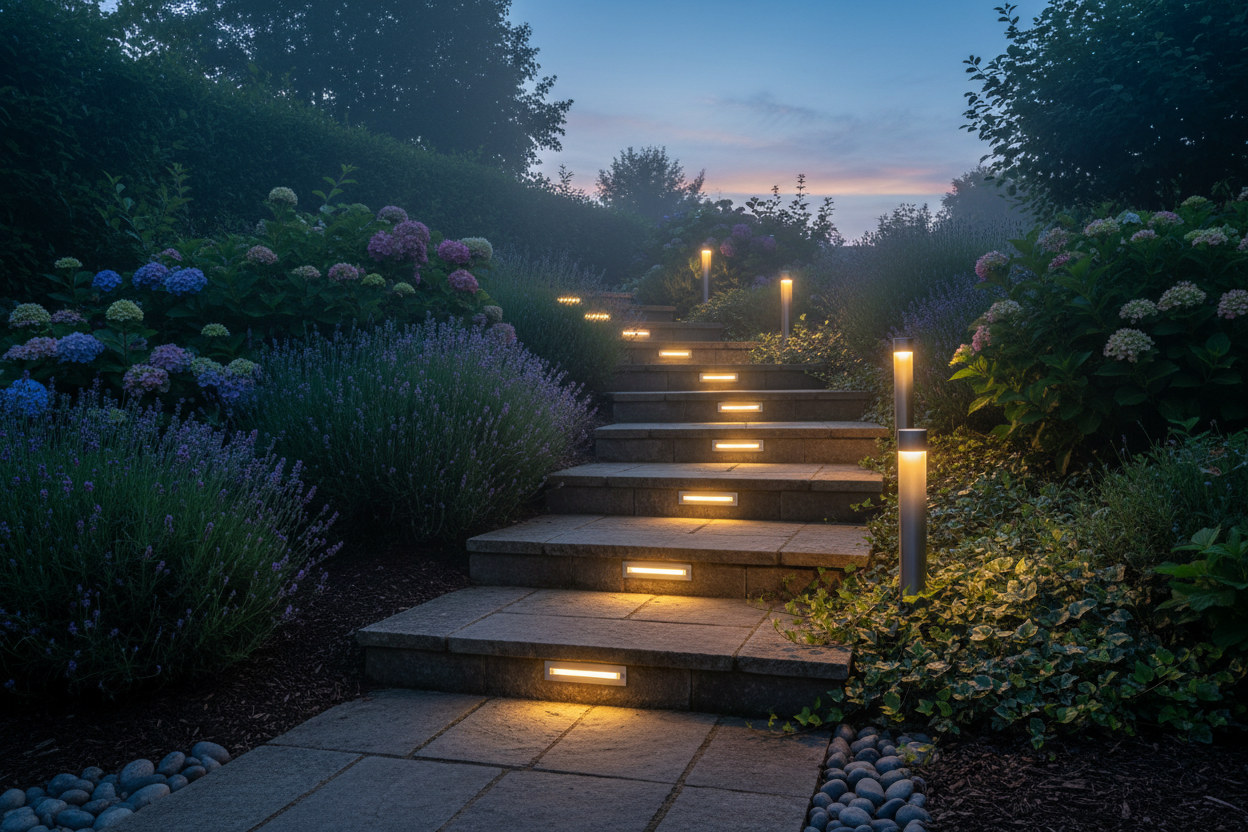
Assessing Your Space and Needs
Start by looking at your stairs. Are they wide or narrow? Do you have a straight staircase or one that turns? Think about how much light you need. If your stairs are dark, you might want brighter lights. If you have windows nearby, you can use less lighting during the day. Walk up and down your stairs at different times. Notice where shadows fall. This helps you decide where to put your staircase lighting.
Tip: Take a few photos of your stairs at night and during the day. This makes it easier to spot dark spots.
Matching Lighting to Home Style
You want your staircase lighting to fit your home’s look. If you have a modern home, try sleek LED strips or recessed lights. For a classic style, wall sconces or warm step lights work well. Look at the colors and materials in your home. Metal handrails look great with cool white lights. Wooden stairs feel cozy with warm lighting. Try to match the shape and finish of your lights to your railings and steps.
- Modern homes: LED strips, glass, and metal fixtures
- Traditional homes: Warm bulbs, wood, and classic shapes
- Rustic homes: Lantern-style lights or vintage finishes
Budget and DIY Tips
You don’t have to spend a ton to get great lighting. LED step lights and solar-powered options are cheap and save on energy. If you’re into DIY, you can install stick-on LED strips or battery-powered step lights yourself. Just check the instructions before you start. If you need to wire new lights, get an electrician to help out.
Here are a few quick ways to save cash:
- Go with plug-in or battery lights for an easy setup.
- Shop online for sales or bundles.
- Try solar lights for outdoor stairs.
Remember: Good lighting doesn’t have to cost a fortune. You can find options for every budget and style.
You’ve got plenty of great choices for lighting your stairs. LED step lights and recessed lights work best for most homes. Want a modern look? Try linear or tread lights. For outdoor steps, pick weather-resistant LEDs or solar lights. Trying to save money? DIY stick-on lights are the way to go.
Tip: Always match your lighting to your space and style. Good lighting keeps you safe and makes your home look amazing.
FAQ
What is the safest type of lighting for stairs?
You get the best safety with LED step lights or recessed lights. These options light up each step clearly. You see where you walk, so you avoid trips and falls.
Can I install stair lights myself?
You can install stick-on LED lights or battery-powered step lights by yourself. For wired or recessed lights, you should call an electrician. Safety comes first!
How do I choose the right brightness for stair lights?
Pick lights with 100 to 200 lumens per step. This range gives you enough light to see each tread. If you want a softer look, use dimmable LEDs.
Are solar lights good for outdoor stairs?
Yes! Solar lights work well for outdoor stairs and paver steps. They charge during the day and light up at night. You save energy and avoid wiring.