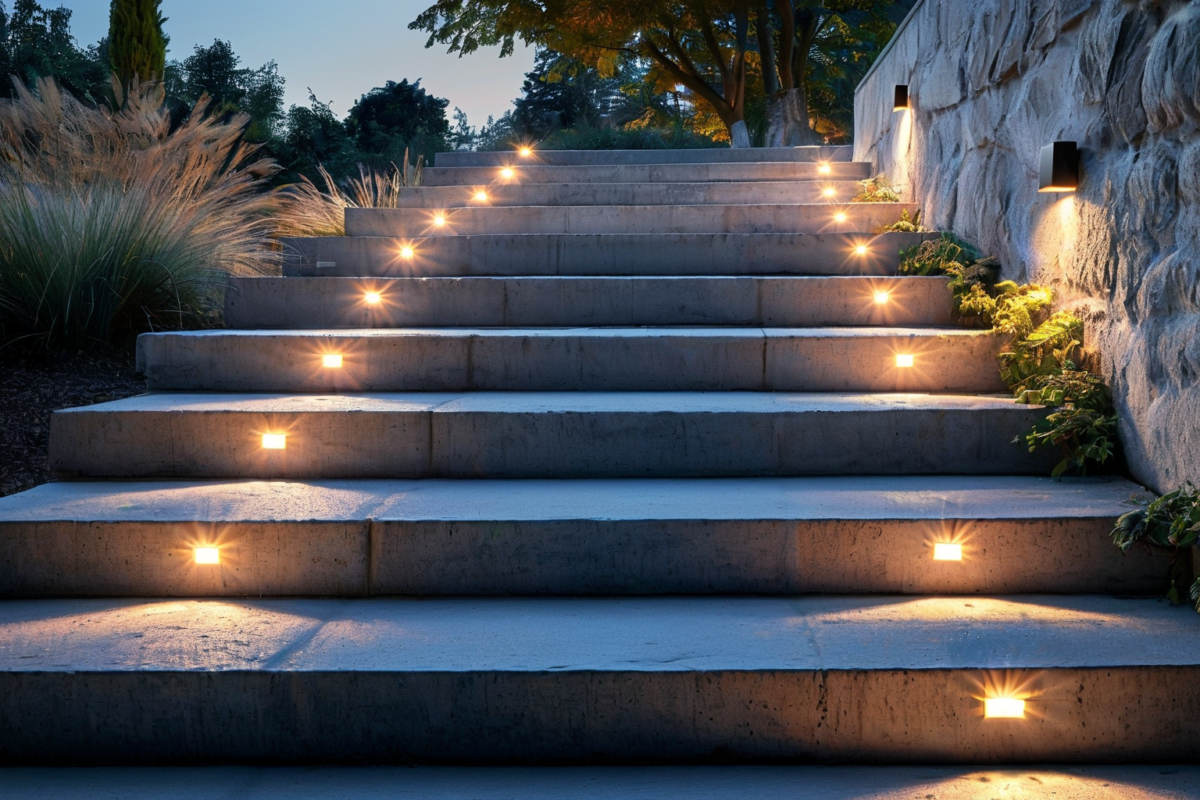
One wrong IP rating for outdoor step lights can turn a sleek stairway into a maintenance headache, with moisture inviting corrosion, condensation, and early fixture failure. Bigger numbers aren’t automatically better; exposure decides the fit.
This guide compares IP44, IP65, IP67, and IP68, plus construction and electrical details that help buyers keep outdoor projects running reliably.
Key Notes on IP Rating for Outdoor Step Lights
-
Compare Protection Levels: Understand that the first IP digit rates solid ingress (dust, debris) and the second rates water (from splashes to immersion), guiding your choice for steps, decks, or pathways.
-
Match Environment to Rating: Choose IP44 for light rain or sheltered stairs, IP65 for heavy jets and exposed treads, IP67 where temporary puddles form, and IP68 for prolonged immersion in flood-prone zones.
-
Check Construction Details: Verify sealed joints, high-quality gaskets, corrosion-resistant housing, tempered lenses, and proper surge or thermal management for lasting performance.
How To Decode IP Rating For Outdoor Step Lights
Reading the IP rating for outdoor step lights helps you avoid guessing when fixtures face dirt and bad weather. The two-digit code gives a quick way to compare outdoor lights based on protection against solids and water. MG Lighting uses these ratings to help match step lights with real installation conditions.
Understanding IP Codes: From First to Second Digit
An Ingress Protection code describes how well an electrical enclosure blocks outside material.
-
First digit
-
The first digit covers solid particles, including dirt and dust.
-
A 6 indicates complete dust resistance, a useful feature for outdoor step lights mounted near soil or paving.
-
-
Second digit
-
The second digit identifies water resistance.
-
Higher numbers address increasingly demanding water conditions, so this part of an IP rating for outdoor step lights matters when stairs get soaked.
-
The digits cover different hazards; one cannot replace the other.
How Weatherproof Enclosure Levels Affect Moisture Resistance
A weatherproof enclosure depends on more than its outer shell. Good seal integrity around wiring entries and joints helps stop rain exposure, while gaskets around tempered-glass lenses add another barrier.
Humidity can still cause trouble. A corrosion-resistant housing helps outdoor lights survive damp conditions, and thoughtful drainage around concrete stairs reduces standing water that can challenge moisture resistance. Proper installation also limits condensation inside the fixture. MG Lighting step lights combine suitable sealing and housing materials for demanding outdoor use.
Why IP65 vs. IP67 Matters for Outdoor Step Lighting
For an IP rating for outdoor step lights, IP65 and IP67 serve different wet-area needs.
-
IP65 rating
-
Protects against water jets.
-
Often suits covered stairs, pathways, and landscape lighting exposed to normal rain.
-
-
IP67 rating
-
Adds protection against temporary immersion under the conditions defined by the IP standard.
-
Makes sense for step lighting near poor drainage, splash-heavy areas, or spots where water may briefly collect.
-
For an exposed outdoor installation, don’t assume IP67 makes a fixture permanently waterproof. Match the rating to expected water exposure, installation details, and local electrical requirements.
4 Key IP Ratings For Outdoor Step Light Success
Choosing the right IP rating for outdoor step lights keeps stairs safer and maintenance simpler. MG Lighting matches outdoor lighting to water exposure, dust levels, drainage, and housing materials—pretty practical stuff for long-term performance.
IP44 Splash Protection for Deck and Patio Lighting
An IP44 rating provides basic solid particle protection against objects over 1 mm plus splash protection from water coming from any direction.
-
For covered areas:
-
deck lighting can handle ordinary splashes and damp weather.
-
patio lights gain useful weather resistance without over-specifying protection.
-
-
For exposed areas:
-
Strong rain, pressure cleaning jets, pooling water, and flood-prone locations can exceed IP44 limits.
-
A higher IP rating for outdoor step lights makes sense when water exposure is more severe.
-
IP44 works nicely for sheltered outdoor ambiance, but placement matters.
IP65 Waterproof Rating with Die-Cast Aluminum Housing
An IP65 rating means dust-tight protection and jet water resistance, making it a practical choice for exposed stair illumination.
Why the pairing works: die-cast aluminum supplies a rigid housing material, while sealed construction provides strong waterproof protection. Together, these features improve durability through rain, dust, and routine hose cleaning. MG Lighting uses this approach where outdoor step light protection needs to cope with everyday weather without fuss.
IP67 Submersible Rating for Landscape Pathway Illumination
An IP67 rating raises protection for wet ground locations.
-
Common applications
-
pathway illumination and landscape lighting
-
recessed fixtures near irrigation
-
low-level ground installation around stairs
-
-
-
Water exposure
-
temporary immersion can occur after storms or poor drainage.
-
A secure moisture seal helps submersible lights survive temporary immersion, generally up to 1 meter for 30 minutes under IEC test conditions.
-
For these sites, the IP rating for outdoor step lights deserves close attention.
IP68 Outdoor Rating in a Corrosion-Resistant Finish
The IP68 rating addresses continuous immersion beyond IP67 test conditions, but exact depth and duration come from the manufacturer. It should never be read as unlimited waterproofing.
For extreme weather, underwater lighting, or highly exposed installations, a corrosion-resistant protective finish adds another defense. Marine grade 316 stainless steel faceplates can further resist corrosion in demanding locations.
MG Lighting recommends checking both immersion specifications and material compatibility; even the highest IP rating for outdoor step lights does not, by itself, guarantee corrosion resistance.
IP Rating For Outdoor Step Lights—Is IP44 Enough?
Choosing the right IP rating for outdoor step lights comes down to how much water, dust, and day-to-day exposure the fittings actually face. A covered staircase may need far less protection than an open patio. Still, the IP rating for outdoor step lights should cover the whole setup, not just the lamp. Here’s how the common choices stack up.
Pros and Cons of IP44 on Recessed Stair Light Installations
An IP44 rating provides basic solid particle protection and splash resistance, so it can work for recessed stair lights in a sheltered outdoor installation.
-
Good candidates
-
A covered porch where direct rain rarely reaches the fitting.
-
Recesses with effective drainage and reasonable moisture protection.
-
-
Main catches
-
Driving rain can push water into exposed fittings.
-
Damp concrete may hold moisture around the housing.
-
Pressure washing can exceed IP44 protection by quite a bit.
-
So, when assessing an IP rating for outdoor step lights, location matters just as much as the number.
When to Upgrade to an IP65 Waterproof Rating
An IP65 rating is the safer pick where exposure is tougher.
-
Choose IP65 for:
-
exposed stairways hit by heavy rain;
-
patios and landscape lighting near irrigation;
-
facades needing stronger weatherproofing.
-
-
What changes:
-
“6” means the enclosure is dust tight.
-
“5” provides water jet protection, making routine outdoor cleaning less troublesome.
-
MG Lighting can pair suitable fixture designs with these exposure levels, helping buyers choose an outdoor step light IP rating that fits the actual site.
Matching IP Ratings with a 24V Low Voltage System
A 24V low voltage supply reduces certain electrical risks, but it does not make a poorly sealed fitting waterproof.
-
At the fixture:
- Match the IP rating for outdoor step lights to its real wet location exposure.
-
Behind the fixture:
-
Protect wiring connections and junctions from water entry.
-
Use suitable circuit protection.
-
-
At the power source:
- Select an LED driver or outdoor transformer rated for its mounting location.
That combination supports both ingress control and electrical safety; low voltage alone cannot replace proper sealing.
3 Common Mistakes In Choosing IP-Rated Step Lights
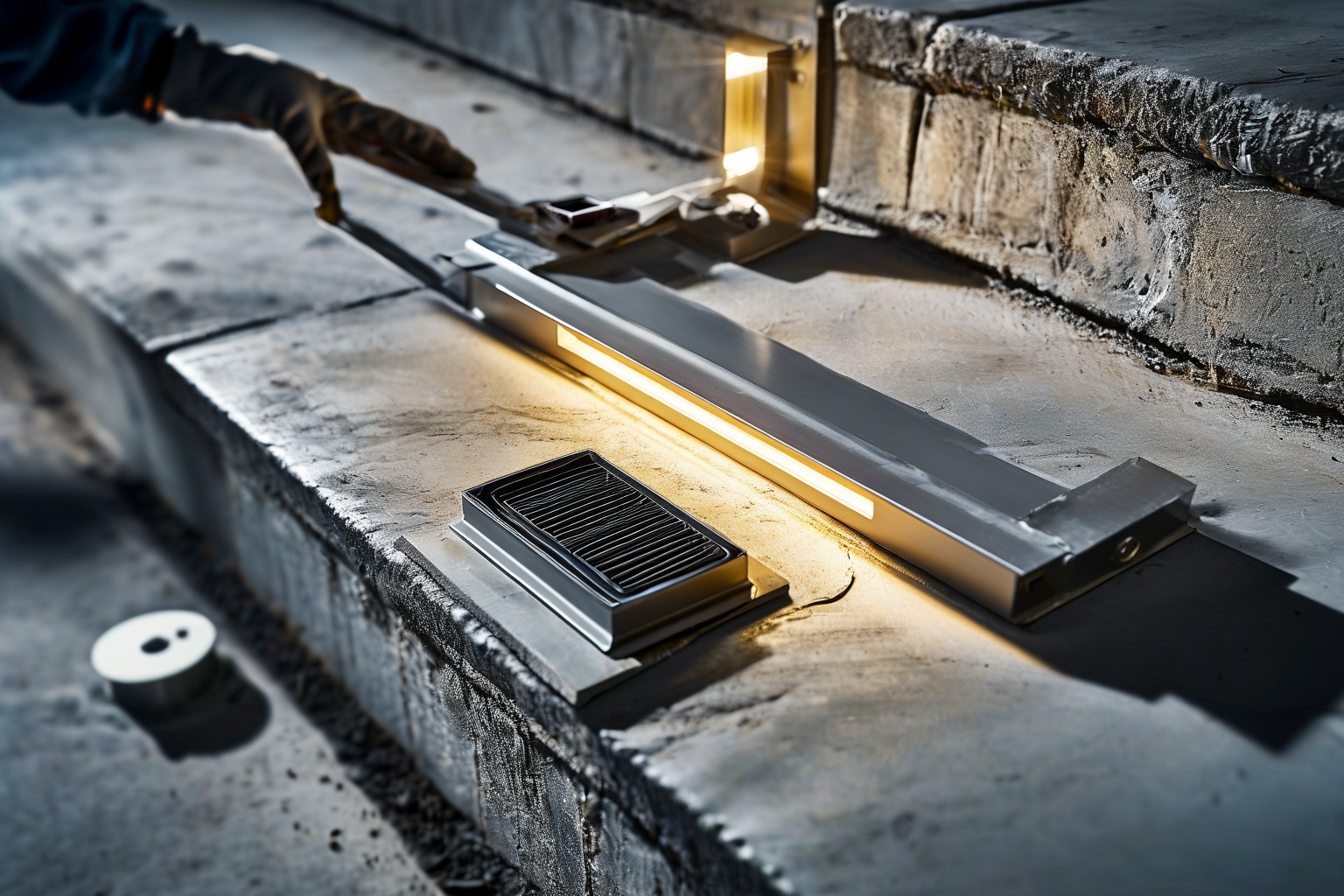
Choosing an IP rating for outdoor step lights is about more than checking two digits on a product sheet. Outdoor fixtures face water, heat, dirt, and electrical disturbances at the same time. Good step lights need suitable sealing, electrical protection, and materials that can handle daily exposure. Miss those details, and a seemingly solid outdoor light may age surprisingly fast.
Ignoring Thermal Management in High Humidity Areas
A sealed fixture keeps moisture out, but it can also trap heat. High ambient temperature plus humidity makes thermal design especially important for the integrated LEDs and LED driver.
-
Heat control starts inside the fixture.
-
An aluminum housing can move heat away from the LED board through effective heat dissipation.
-
Properly applied thermal paste improves heat transfer where components meet.
-
-
Moisture control matters too.
-
Repeated temperature swings may encourage condensation when sealing or pressure management is poor.
-
Excess heat can stress constant-current drivers, gradually affecting output and service life.
-
So, when checking an IP rating for outdoor step lights, don’t treat water resistance as the whole story. Thermal design counts.
Overlooking Surge Protection Device Requirements
Outdoor lighting circuits can receive a brief voltage transient from load switching, faults on the electrical grid, or a nearby lightning strike. That quick spike may damage a driver or LED circuit board even when the fixture itself remains dry.
-
Check the driver’s stated surge withstand level.
-
Match a suitable surge protector to the installation and local electrical rules.
-
Confirm correct grounding, since protection depends on a proper discharge path.
A power surge can last only an instant, yet repairs can be a real headache. For low-voltage outdoor lights, coordinated surge protection deserves attention alongside the outdoor IP rating.
Assuming All Fixtures with Tempered Glass Lens Are Equal
Tempered glass is useful, but the words alone say little about overall durability.
-
Impact resistance depends on glass thickness, mounting, and fixture design.
-
Optical clarity and light transmittance affect how efficiently light leaves the fixture.
-
Scratch resistance helps preserve the lens surface in exposed locations.
-
Thermal shock performance matters when temperatures change quickly.
-
A well-made gasket seal, sound housing, and careful installation ultimately help the stated step-light IP rating perform as intended.
In short, glass is just one piece of the weatherproofing job.
Scenario: Wet Deck? Choose The Right IP Rating
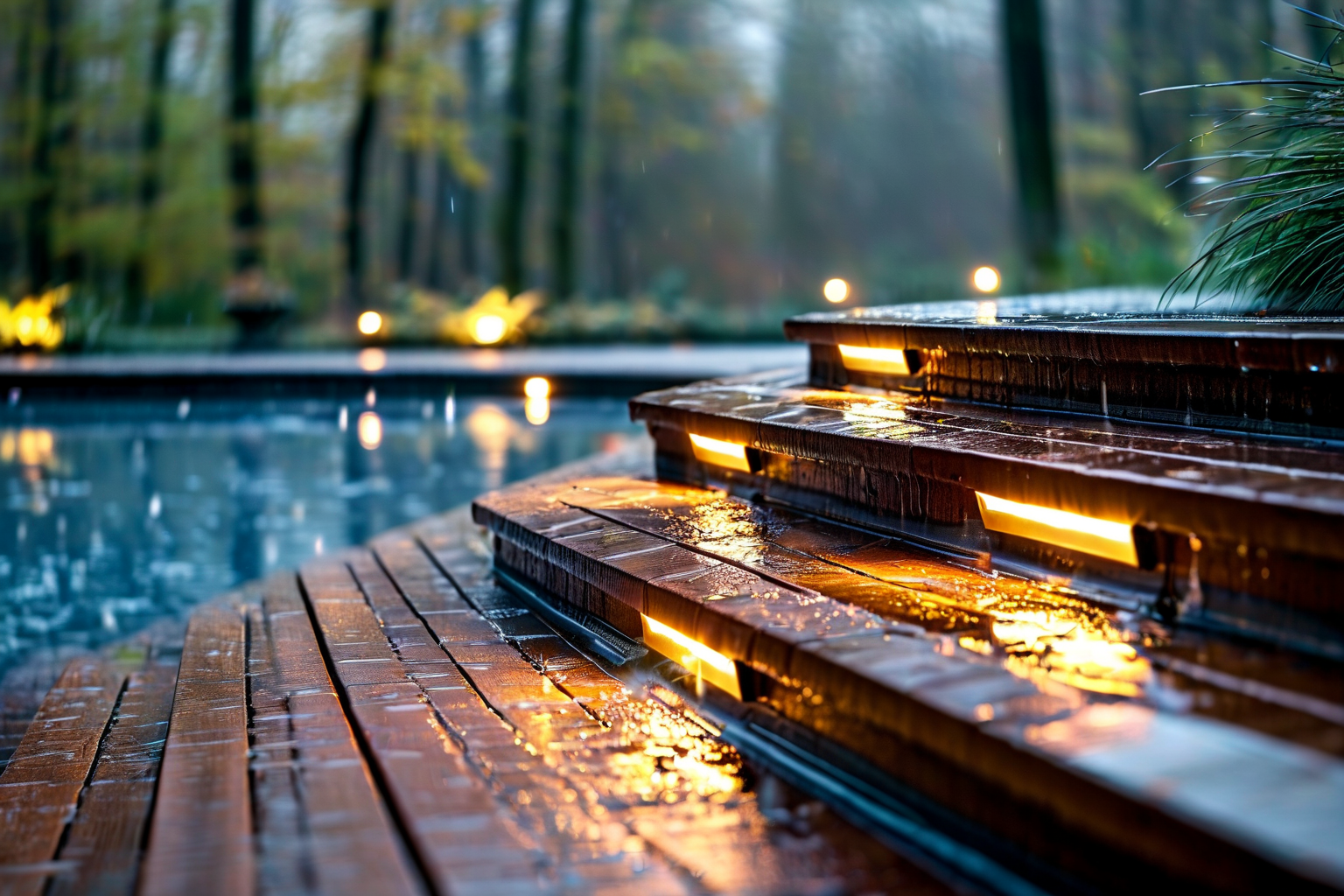
Rain, splashes, and standing water make deck lighting tricky. Choosing the right IP rating for outdoor step lights, along with smart installation details and durable materials, helps keep exposed spaces safer and easier to maintain.
Best Practices for Deck and Patio Lighting with IP67 Protection
An IP rating for outdoor step lights tells you how well a fitting resists dust and water. IP67 protection means a product is dust-tight and tested against temporary water immersion, making it a practical waterproof rating for many exposed deck areas.
-
Plan around water, not just appearance.
-
Position recessed outdoor step lights where runoff is less likely to collect.
-
Provide drainage behind or beneath fittings whenever the mounting design permits.
-
Avoid turning a recess into a little water cup.
-
-
Match installation height to safe stair visibility without creating glare.
-
-
Treat wiring as part of the wet-area system.
-
Use sealed, outdoor-rated connections appropriate for the wet location.
-
Keep drivers, transformers, and junction points in locations allowed by their individual ratings.
-
Follow local electrical codes for low-voltage deck lighting and patio lighting.
-
-
For frequently soaked decks, the IP rating for outdoor step lights should match actual exposure rather than a sheltered-area assumption. MG Lighting can help specify suitable wet-location fixtures for the job.
Using Integrated LED Module Fixtures with UV-Resistant Powder Coating
A good IP rating for outdoor step lights handles water exposure, but the outer materials face another problem: years of sun, moisture, and changing temperatures.
The integrated LED module in sealed fixtures can limit openings where moisture and dirt might enter. A compatible weatherproof housing adds another practical layer of defense, while the outdoor light rating still needs to suit the installation.
Finish: A quality UV-resistant coating helps slow fading and surface damage. Properly applied powder coating also gives exposed metal a durable finished surface.
Housing: Materials designed for corrosion resistance are especially useful around damp decks and harsh climates, helping preserve both appearance and electrical reliability.
Together, these features improve outdoor durability. For MG Lighting products, checking the IP rating for outdoor step lights alongside housing material, finish, and installation instructions gives buyers a much clearer idea of long-term suitability.
From IP20 To IP68: Step Light Selection Map
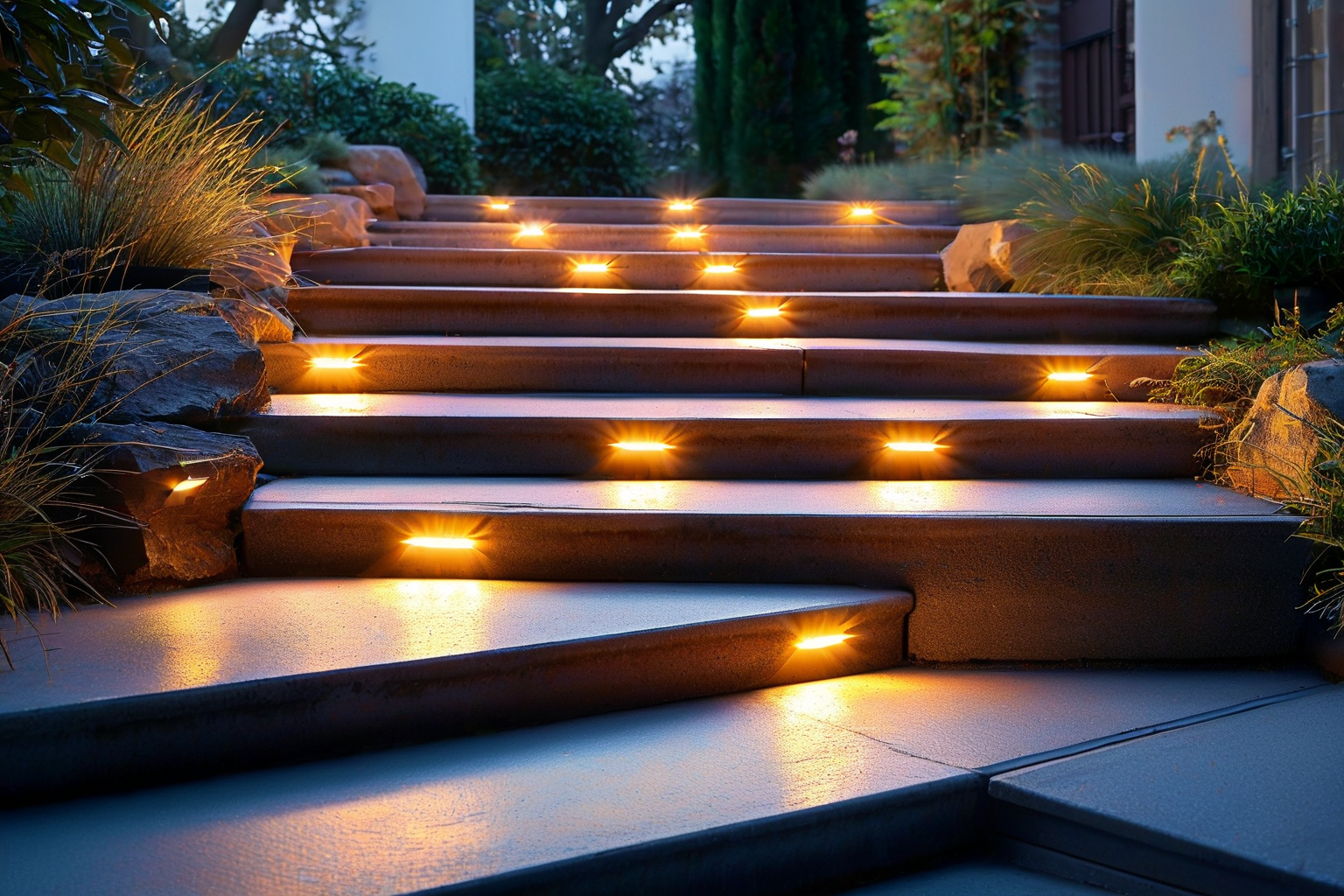
Choosing the right IP rating is pretty straightforward once water exposure is clear. This guide maps the IP rating for outdoor step lights from dry interiors to submerged sites, helping designers match protection, light quality, and installation details without over-specifying hardware.
IP20 Indoor-Rated Fixtures for Dry Architectural Facades
An IP20 rating provides basic dust protection against finger-size solid objects but offers no rated water protection. That makes this step light suitable for indoor lighting on a protected architectural facade in a genuine dry location.
-
Good fit:
-
Interior stairs and enclosed corridors.
-
Dry decorative walls with no condensation.
-
-
Poor fit:
-
Exterior stairs exposed to rain, irrigation, or washing.
-
Damp entrances where water can reach the fixture.
-
For an IP rating for outdoor step lights, IP20 generally sits outside the practical outdoor range.
IP44 Surface Mounted LED for Light Rain Conditions
A surface mounted LED fixture with an IP44 rating blocks objects larger than 1 mm and resists splashing water. In plain terms, it can work under a canopy where light rain or an occasional splash is the main concern.
-
Sheltered placement:
-
Choose splash proof fittings for covered walls.
-
Keep cable entries properly sealed.
-
-
Open exposure:
-
An outdoor stair taking driving rain usually calls for a higher outdoor light IP rating.
-
MG Lighting can help match fixture protection to the actual exposure rather than relying on IP44 everywhere.
-
IP65 Constant Current Driver Units in Moisture-Prone Zones
An IP65 rating means dust-tight protection plus resistance to water jets, making a water jet resistant LED driver useful in a moisture-prone area.
-
Driver pairing
-
Match the constant current output to the LED load.
-
Follow voltage, wattage, and temperature limits.
-
-
Installation
-
Use sealed connectors and a compatible weatherproof enclosure where required.
-
Allow heat to escape as specified by the manufacturer.
-
A driver’s IP rating does not automatically make every cable joint waterproof.
IP67 Recessed Stair Light Solutions for Flood-Prone Areas
For the IP rating for outdoor step lights in locations where brief flooding is foreseeable, IP67 rating products offer protection against temporary submersion under manufacturer-specified test conditions.
| IP class | Water protection | Typical placement | Immersion |
|---|---|---|---|
| IP20 | None rated | Dry interior | No |
| IP44 | Splashing | Sheltered exterior | No |
| IP65 | Water jets | Exposed damp zone | No |
| IP67 | Temporary immersion | flood-prone area | Limited |
| IP68 | Defined continuous immersion | Underwater | Manufacturer-defined |
-
A recessed stair light also needs:
-
waterproof housing and sealed electrical joints.
-
Drainage that prevents water from sitting behind the fitting.
-
Corrosion-resistant materials and anti-glare optics.
-
The enclosure’s ingress protection is only one piece of a reliable installation.
IP68 High Color Rendering Index Options for Submerged Applications
An IP68 rating is intended for a manufacturer-defined submerged application, but depth, duration, and installation limits still matter. IP68 does not mean every fixture can sit at any depth forever.
-
For underwater lighting:
-
Verify the stated continuous immersion conditions and relevant certification.
-
Favor corrosion-resistant materials and sealed connections.
-
-
For visual quality:
-
high CRI improves the natural appearance of colors.
-
Warm-white color temperature can soften stair and architectural lighting.
-
Check luminous flux, beam control, and optical performance rather than wattage alone.
-
For demanding projects, MG Lighting can supply options across the IP rating for outdoor step lights range, while final selection should follow local electrical rules and the fixture manufacturer’s certified limits.