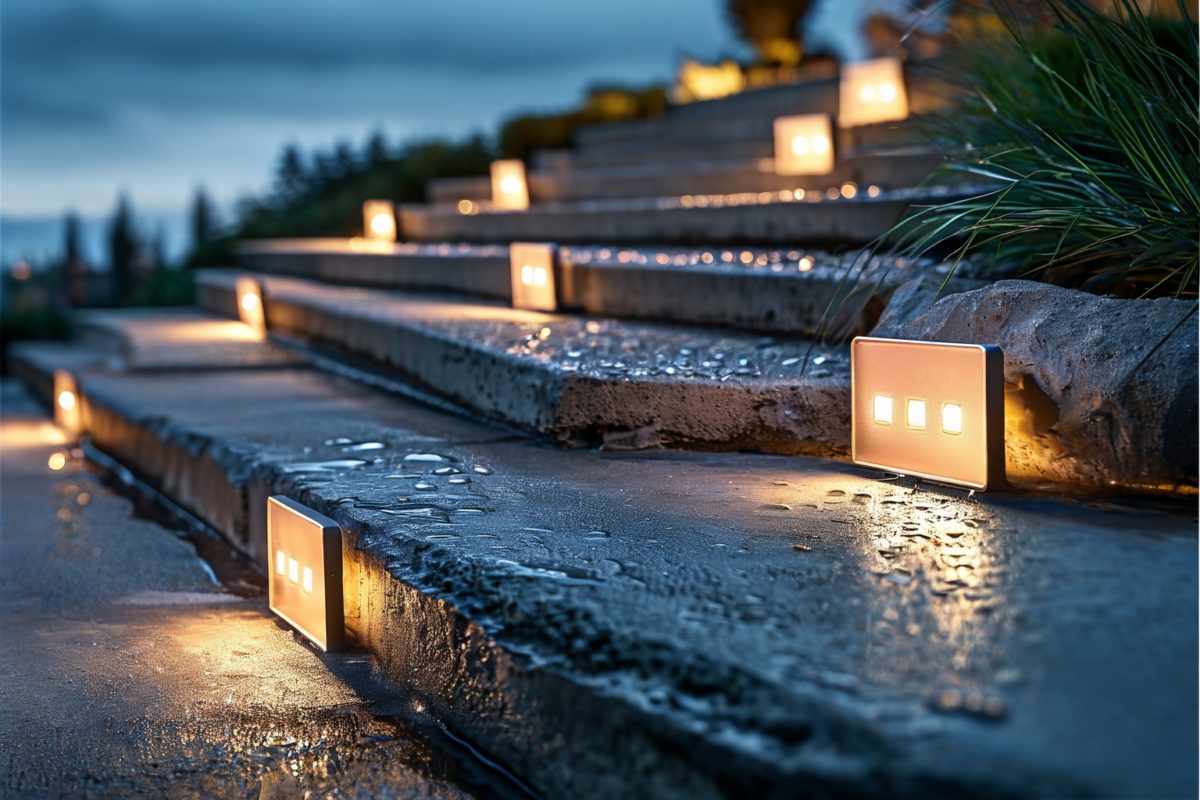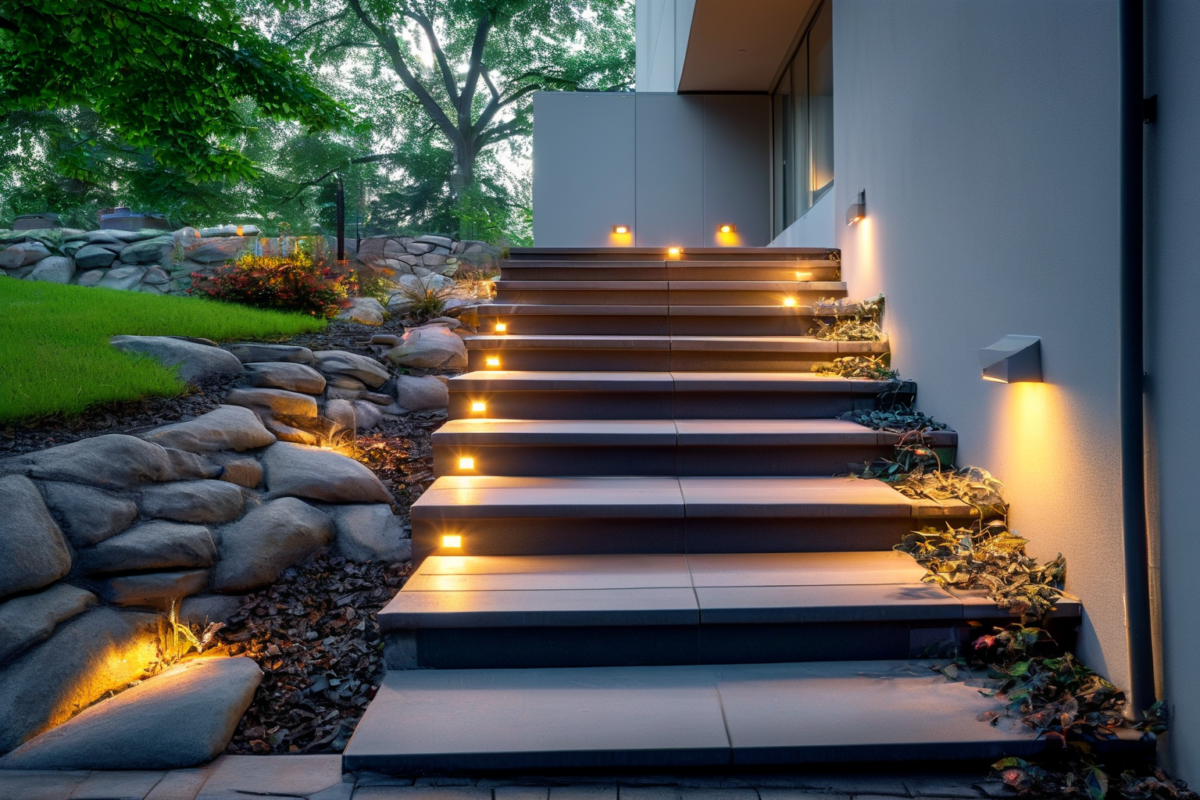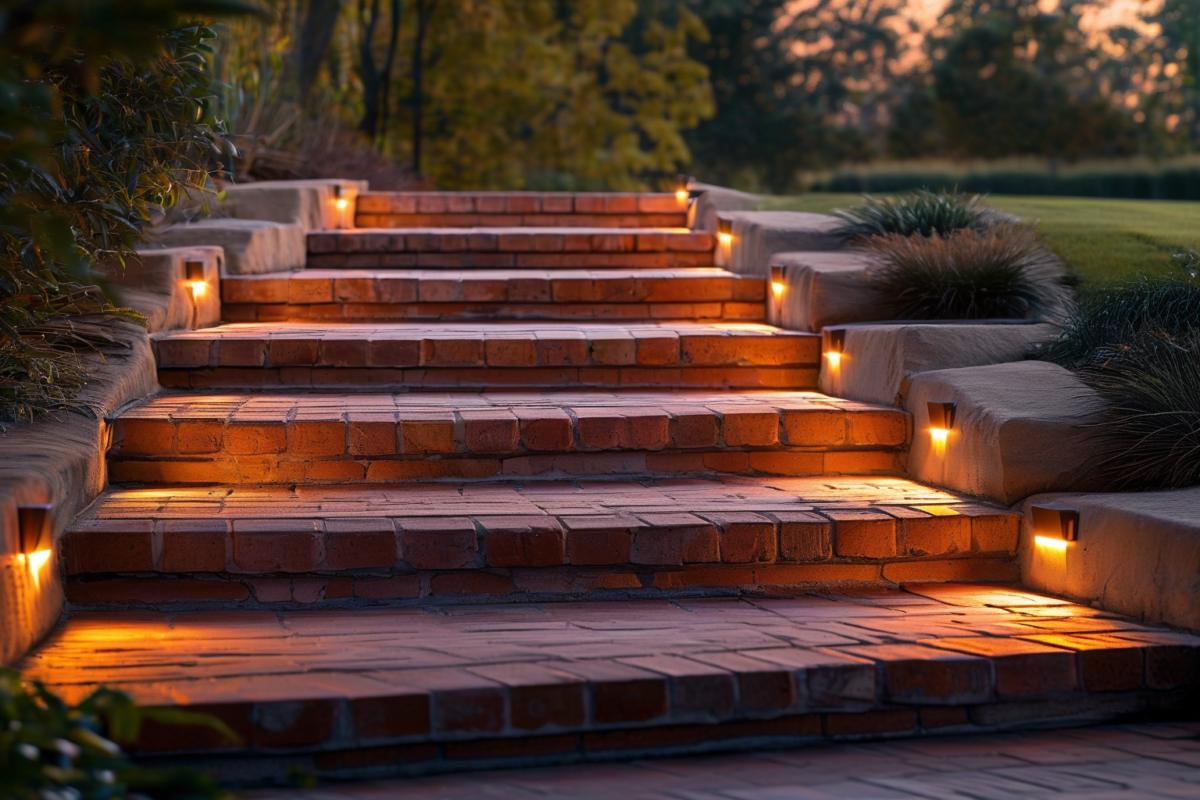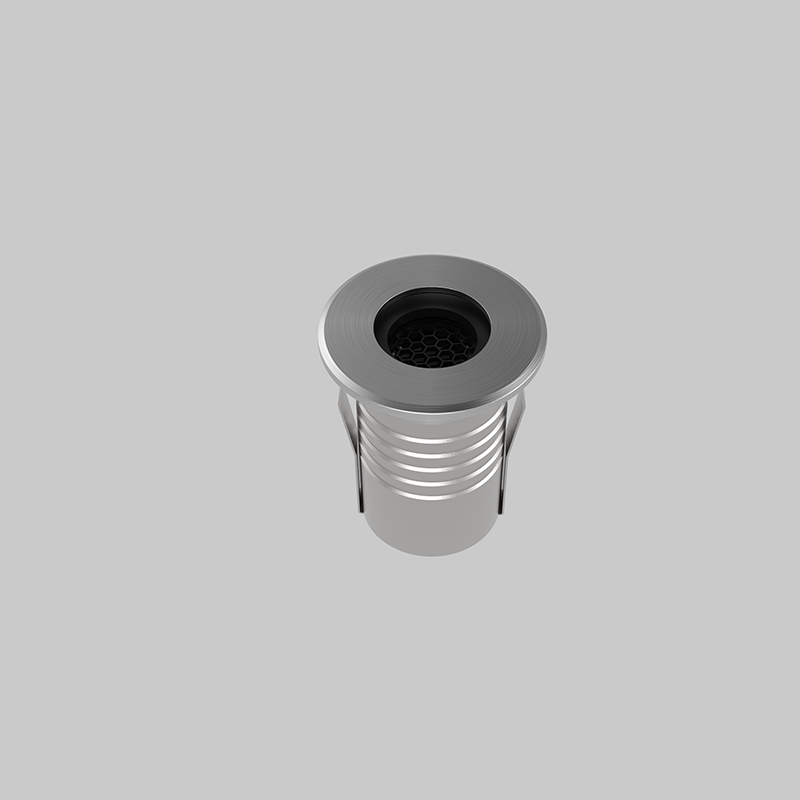
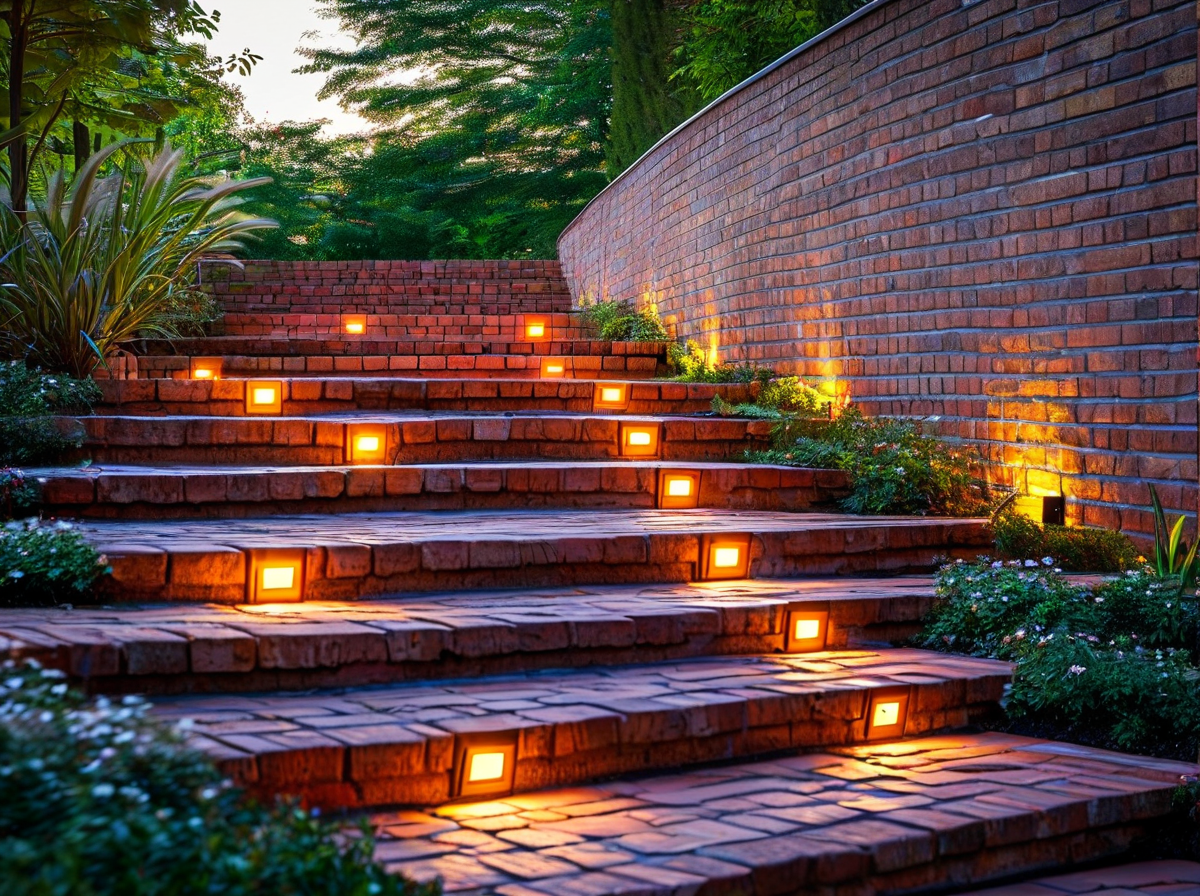
Mess up led step lights for brick walls and you get flicker, leaks, callbacks, and angry client.
Most LED failures trace back to driver quality, sealing, and voltage planning — fix those and maintenance drops sharply.
Fix the fundamentals early, and installs stay sharp, safe, and consistent without costly do-overs long.
Illuminated Essentials: led step lights for brick walls
➔ Right-Sized Transformer: Calculate total wattage plus 20–30% headroom and choose matching voltage to prevent flicker and overload.
➔ Weatherproof Seals: Use IP-rated gaskets, powder-coated die-cast housings, and tempered covers to guard against moisture and corrosion.
➔ Voltage Drop Mitigation: For long runs, deploy thicker gauge wiring or distributed drivers to maintain consistent brightness across stairways.
➔ Uniform Glow Calibration: Adjust beam angle, select diffusers, and fine-tune color temperature for even, glare-free illumination.
Is Your Transformer Undersized?
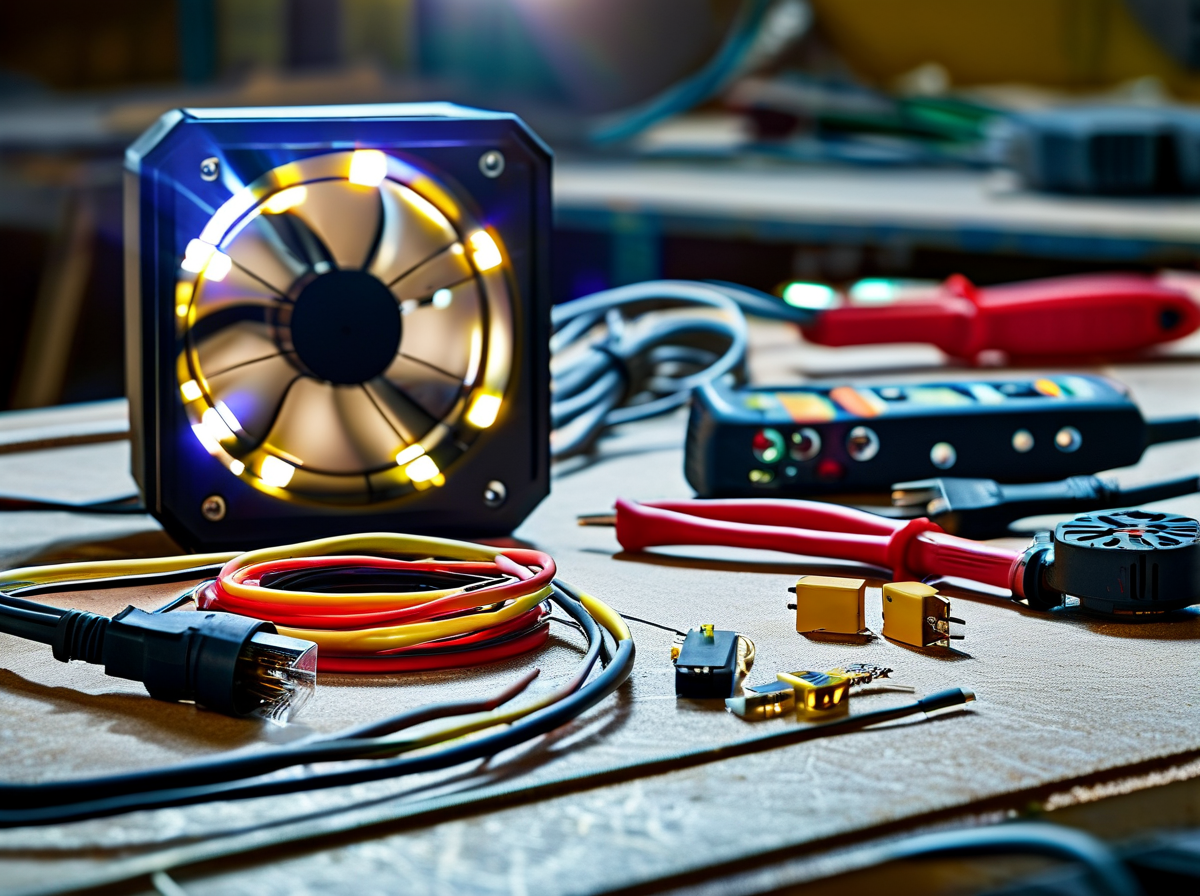
Getting led step lights for brick walls to glow evenly isn’t just about picking fixtures; it’s about power that actually keeps up. Undersized gear causes flicker, dim corners, and early burnout. When planning LED lights, wiring, and drivers, small missteps stack up fast. Let’s break down how to size things right and keep your brick wall steps shining clean.
Calculating Wattage: Matching Brick Wall Step Lights to Transformer Capacity
When setting up led step lights for brick walls, your wattage math has to be honest. No guessing.
-
Start with total power load:
-
Count every step lights unit
-
Multiply by each unit’s wattage
-
Add accessories tied to the same transformer
-
-
-
Add headroom:
-
+20–30% buffer to capacity
- Prevents overload during voltage fluctuation
-
-
Match specs:
-
Ensure transformer output voltage fits your LED lights
- Mismatch = flicker or heat issues
-
Quick check:
-
12 lights × 3W = 36W
-
Add 30% → ~47W
-
Choose ≥60W transformer
Brands like LED Step Light often label loads clearly, which helps avoid guesswork when installing led step lights for brick walls or similar brick step lighting layouts.
Voltage Drop Risks with Long Stairway Runs
Long runs sneak in trouble. Voltage drop builds quietly across a stairway.
-
Key factors:
-
Distance of cable
-
Current draw
-
Wire resistance
-
Nested fix approach:
-
Diagnose:
- Measure voltage at start vs end of long runs
-
Adjust wiring:
-
Upgrade cable gauge
- Thicker wire reduces loss
-
-
Reconfigure layout:
-
Split circuits
- Add mid-run drivers
-
If your led step lights for brick walls look dim at the far end, this is usually the culprit—not the fixtures.
Ensuring IP Rating and Driver Efficiency
Outdoor setups demand more than brightness. IP rating and driver efficiency decide lifespan.
-
Protection layers:
-
Choose proper ingress protection
- Blocks dust and water
-
-
Efficiency matters:
-
High-quality LED driver
- Less heat, better performance
-
Multi-step check:
-
Confirm IP65+ for exposed brick walls
-
Verify driver efficiency above 85%
-
Ensure airflow to avoid heat buildup
LED Step Light products typically balance sealed design with cooling, which keeps outdoor systems stable. That’s key when your led step lights for brick walls face rain, grit, and temperature swings.
4 Installation Errors With Brick Wall LEDs
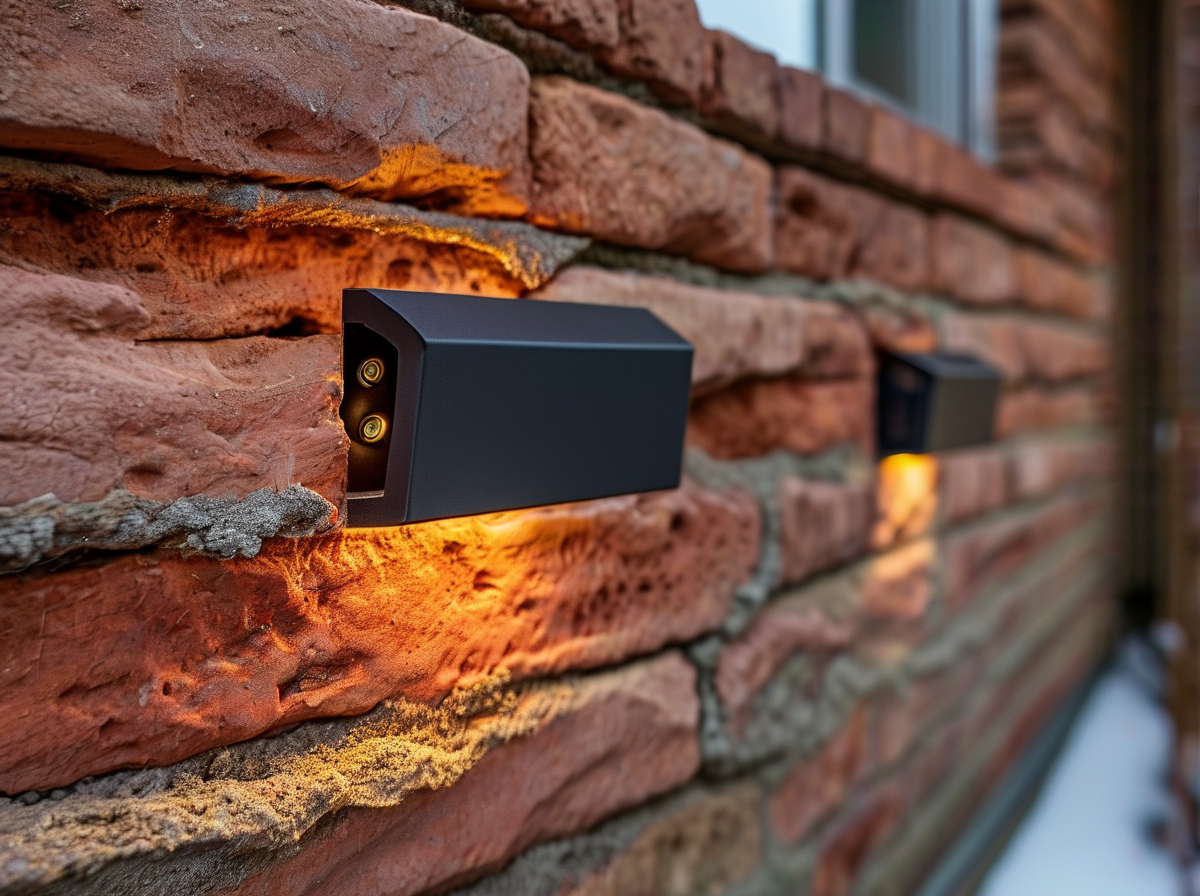
Getting led step lights for brick walls right isn’t just about looks—it’s about durability, safety, and long-term performance. A few small missteps during install can quietly ruin even premium fixtures.
Neglecting Waterproofing and Weather-Resistant Gaskets
When led step lights for brick walls face rain, dust, and freeze cycles, weak waterproofing quickly shows its flaws.
-
Missing gaskets or poorly fitted seals
-
Low weather resistance ratings
-
Ignoring proper ingress protection
-
Moisture enters through micro gaps
-
Internal moisture builds up
-
LEDs fail or flicker
A quick breakdown:
-
✔ Tight seals extend durability
-
✖ Loose fittings invite ingress protection failure
For LED Step Light, sealed housing design keeps outdoor installs reliable, even in harsh climates.
Incorrect Recessed Design Depth in Brick Walls
Bad recessed depth messes with both beam spread and heat flow in brick wall setups.
-
Too shallow: glare and poor flush mount
-
Too deep: trapped heat in cavity
Steps that matter:
-
Measure masonry thickness
-
Match housing depth precisely
-
Test fitting before final installation
Short notes:
-
Proper fitting keeps airflow stable
-
Correct depth protects internal drivers
When installing led step lights for brick walls, even a 5mm error can shift light output dramatically.
Using Low-Grade Aluminum Housings Without Powder Coating
Cheap aluminum housing might look fine on day one, then slowly degrade.
-
No powder coating = faster oxidation
-
Weak material quality leads to cracks
Signs of trouble:
-
Surface corrosion spots
-
Color fading in weeks
-
Structural weakening
Quick comparison:
-
✔ Coated finish = long-term durability
-
✖ Bare metal = early rust
For outdoor led step light setups, LED Step Light products rely on treated alloys that resist harsh exposure.
Overlooking Quality Control during CNC Machining and Assembly
Precision matters more than people think in led step lights for brick walls.
Nested checkpoints:
-
Manufacturing phase
-
CNC machining accuracy
-
Lens alignment precision
-
-
Assembly phase
-
Tight assembly tolerance
-
Gap-free sealing
-
-
Final inspection
-
Defect detection
-
Compliance with standards
-
If quality control slips:
-
Misaligned beams
-
Water entry points
-
Reduced lifespan
Clean inspection routines ensure every unit performs consistently, especially in demanding outdoor brick installations.
Uneven Glow? Calibrate Brick Wall Step Lights
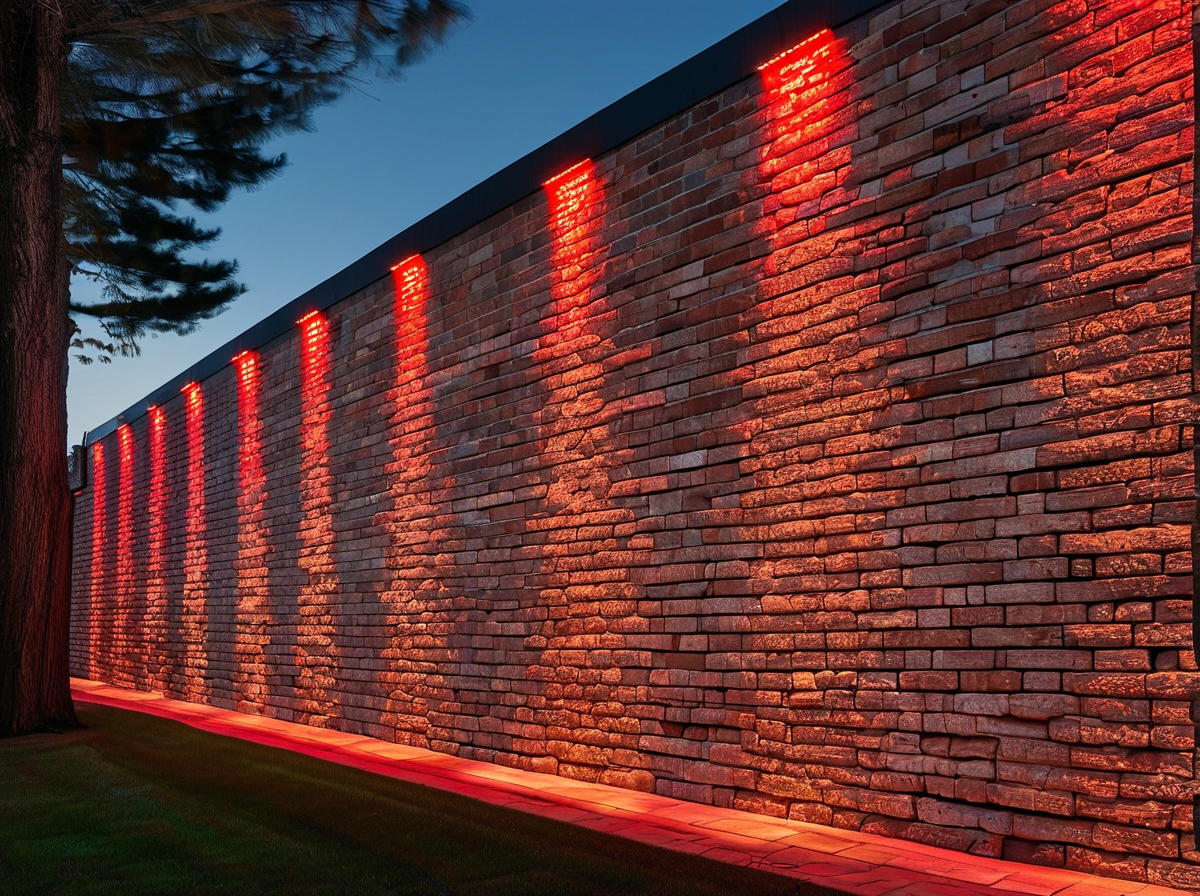
Brick surfaces can be tricky; even good fixtures can throw messy shadows or bright patches. When working with led step lights for brick walls, small tweaks go a long way. From angle tweaks to diffuser swaps, dialing things in makes your brick wall lighting feel clean, safe, and easy on the eyes.
Adjusting Beam Angle and Lens Position for Uniform Light Output
Getting consistent light output across rough brick isn’t luck—it’s about control. A tight beam angle might punch bright spots into mortar lines, while a wider spread smooths things out but can feel dull if overdone.
-
Start with beam angle alignment
-
Narrow beams → highlight texture, risk hotspots
-
Wide beams → better uniformity, softer illumination
-
-
Fine-tune lens position
-
Slight tilt downward improves light spread on steps
-
Micro adjustment reduces shadow pockets between bricks
-
-
Balance both
-
Match lens position with beam width
-
Aim for even edge-to-edge illumination
-
For led step lights for brick walls, this combo keeps the wall glow steady instead of patchy. Even a few degrees of shift can clean up the whole look.
Selecting the Right Diffusers and Tempered Glass Covers
Harsh glare ruins the vibe fast. That’s where smart material selection comes in.
Short notes that matter:
Soft diffusers help smooth the output.
Clear tempered glass adds durability.
Frosted covers improve glare reduction without killing brightness.
-
Diffuser choices
-
Polycarbonate → strong light diffusion, impact resistant
-
Frosted lens → softer glow, better for eye comfort
-
-
Protective layers
-
Tempered glass → shields LEDs from weather
-
Sealed covers → keeps dust and moisture out
-
-
Combined effect
- Better protection + smoother light = cleaner wall wash
-
Warm tones (2700K–3000K)
-
Cozy feel, softer light quality
-
Works well for residential brick walls
-
-
Neutral to cool tones (3500K–5000K)
-
Cleaner, sharper visibility
-
Boosts safety with higher brightness
-
-
Lower lumen output reduces glare on close-up brick textures
-
Higher levels improve step visibility in darker zones
-
Subtle optimization keeps both safety and style in check
- Core fit for led step lights for brick walls centers on Masonry integration and a Low profile design that disappears into the surface while still guiding each step.
-
Recessed lighting keeps faces clean
-
Tunable Beam angle shapes soft, even paths
-
Consistent output helps led step lights for brick walls feel calm, not glaring
-
Outdoor durability and Weather resistance handle rain, dust, and freeze-thaw
-
LED modules stretch lifespan (L70), reducing swaps in led step lights for brick walls
-
Clean Installation methods: cut-in boxes, sleeves, and driver placement
-
Works across brick, block, and mixed façades without bulky trims
- Result: modern led step lights for brick walls that stay subtle, sip power, and hold up over time.
-
• Higher Energy consumption and frequent Bulb replacement
-
• Often Surface mounting, which can stick out on brick and interrupt lines
-
• Basic Standard wiring and mixed Housing materials limit upgrades
-
Light spread feels less controlled, so glare can happen.
-
Maintenance adds up, especially outdoors.
-
For led step lights for brick walls upgrades, retrofits may need extra work.
-
Core idea: keep it tight, clean, and durable
-
minimalist design keeps visual clutter low on brick surfaces
-
flush mount placement avoids awkward protrusions
-
aligns neatly with mortar lines
-
reduces snag risks along walkways
-
-
fixtures built for brick wall integration sit securely without gaps
-
-
Material focus
-
die-cast metal options
-
aluminum → lighter, corrosion-resistant
-
stainless steel → heavier, premium feel
-
-
strong housing material improves heat flow, which matters for led step lighting longevity
-
-
Practical takeaway
- For led step lights for brick walls, low-profile metal builds simply last longer and look sharper
-
Flexibility matters more than people expect
-
customizable modules adapt to different outdoor moods
-
warm tones for cozy paths
-
cool tones for modern edges
-
-
-
color temperature choices
-
2700K–3000K → relaxed vibe
-
4000K+ → crisp visibility
-
-
finish options
-
matte black for contrast
-
brushed steel for subtle shine
-
-
Small tweaks, big impact
-
LED customization lets led step lights for brick walls match stone color and landscaping
-
thoughtful lighting design ties steps, retaining walls, and paths together
-
-
What’s inside matters just as much
-
high-performance drivers regulate power cleanly
-
stable output
-
less flicker
-
-
solid power supply protects against voltage swings
-
-
Lifespan breakdown
-
L70 ratings indicate when brightness drops to 70%
-
higher rating → longer usable life
-
fewer replacements over time
-
-
-
Reliability checklist
-
LED efficiency keeps energy use low
-
lighting reliability ensures consistent glow across all led step lights for brick walls
-
-
Brands like LED Step Light tend to prioritize these internals, which shows after a few seasons outdoors
-
Getting the light right takes testing
-
prototyping services
-
trial different beam spreads
-
adjust fixture depth for brick installs
-
-
-
Diffuser quality
-
polycarbonate diffusers outperform cheaper plastics
-
resist cracking
-
spread light evenly
-
-
careful material sourcing avoids yellowing over time
-
-
Development flow
-
concept → product development → testing → scaling
-
each step refines LED components
-
ensures smooth, glare-free output
-
-
-
End result
- better diffusion, longer life, and cleaner illumination for any led step lights for brick walls setup
A recent lighting market brief noted that low-glare outdoor fixtures which balance durability with visual comfort are what most buyers now ask for.
That tracks perfectly for led step lights for brick walls, especially in outdoor pathways.
Fine-Tuning Color Temperature and Lumen Output
Now the vibe part. Color temperature and lumen output shape how the space feels at night.
Then there’s fine-tuning:
With led step lights for brick walls, balance beats extremes. A slightly warm tone with controlled brightness often hits that sweet spot. Brands like LED Step Light make it easier to dial this in without overthinking every setting.
Brick Wall LEDs vs. Traditional Step Lights
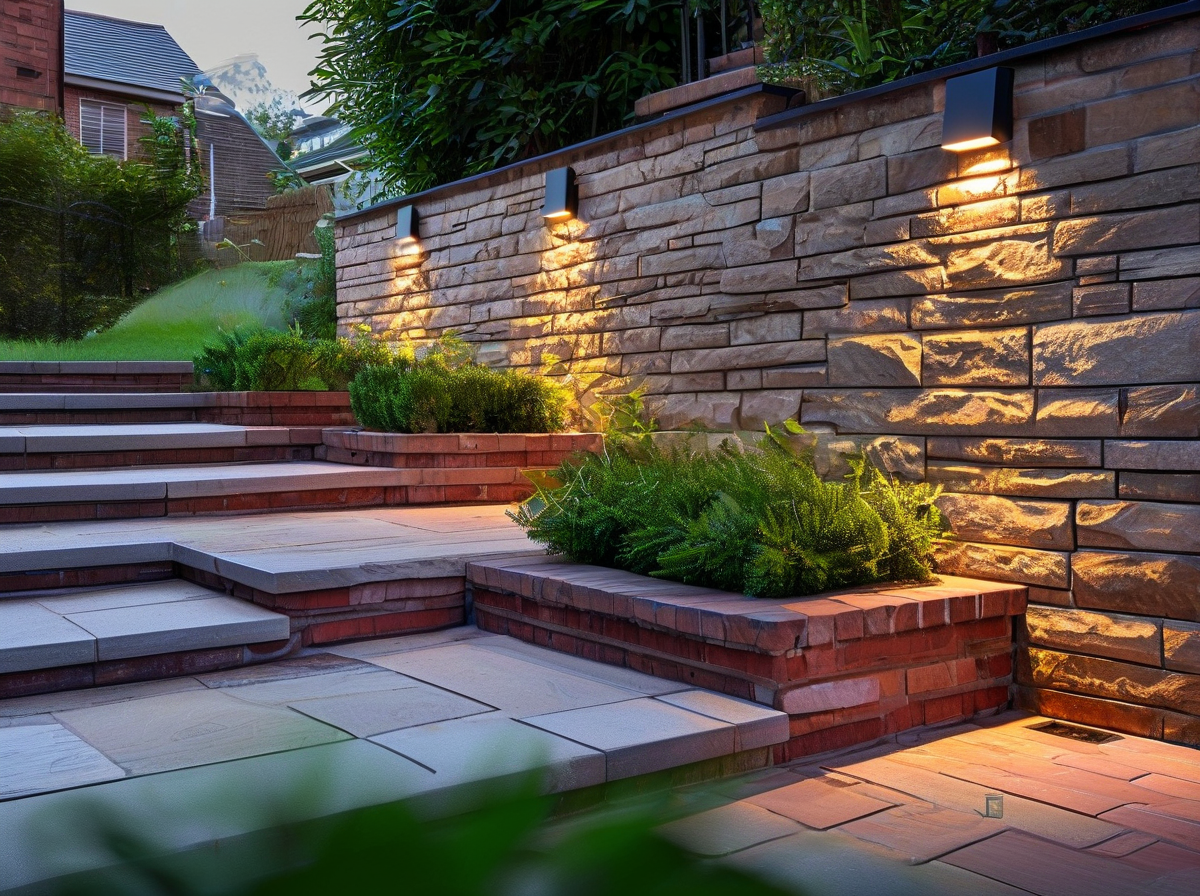
Getting led step lights for brick walls right can make a walkway feel safe and sharp without overdoing it. This quick breakdown keeps things real—how brick-friendly LED designs stack up against older fixtures, and where each option actually fits in daily outdoor use.
Brick Wall LEDs
1) Design + light control
2) Build for outdoors
3) Installation logic
Traditional Step Lights
You’ll still see these around, especially in older paths using Incandescent bulbs or Halogen lamps. They work, but trade-offs show up fast.
Short takes:
In practice, if you’re aiming for clean integration and efficiency, led step lights for brick walls win more often than not.
Which LED Step Lights For Brick Walls Fit Best?
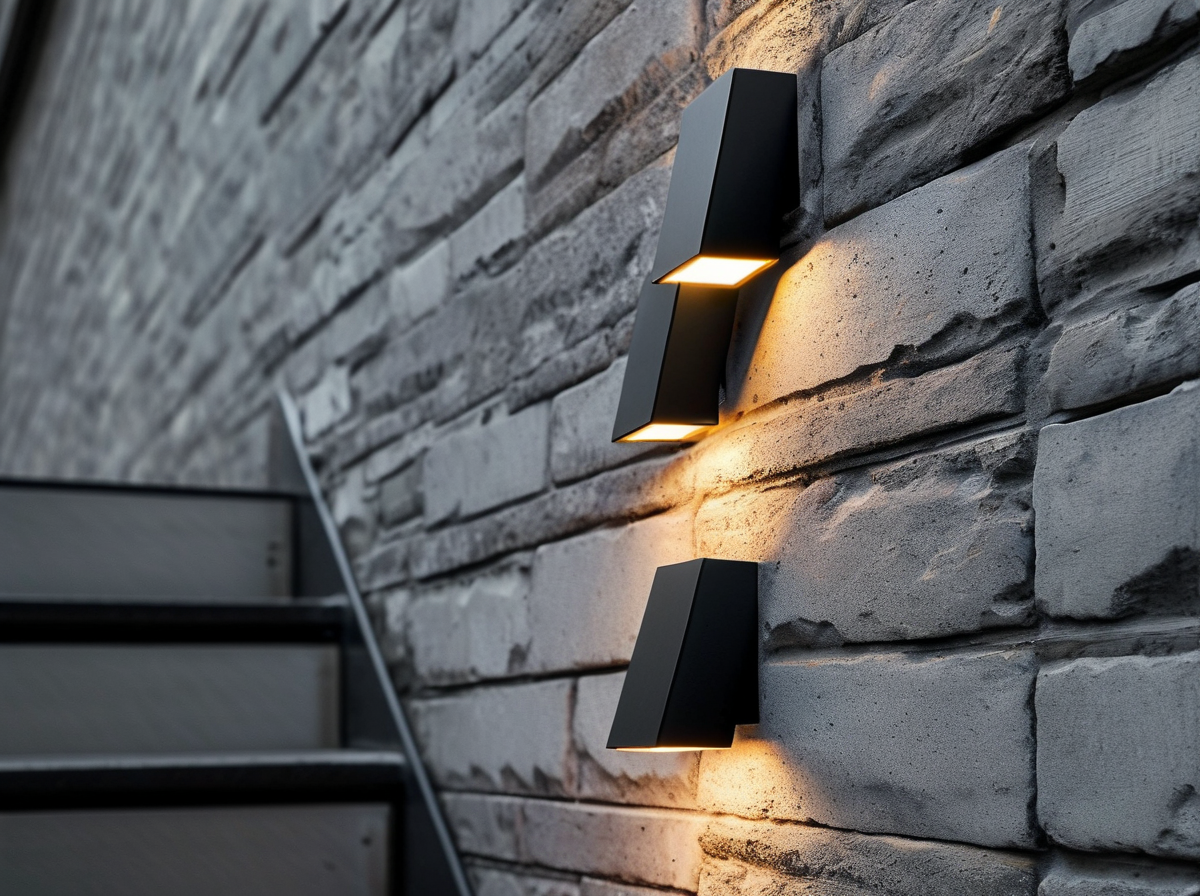
Picking the right led step lights for brick walls isn’t just about brightness—it’s about fit, finish, and how cleanly everything blends into the masonry. Let’s break down what actually works without overcomplicating it.