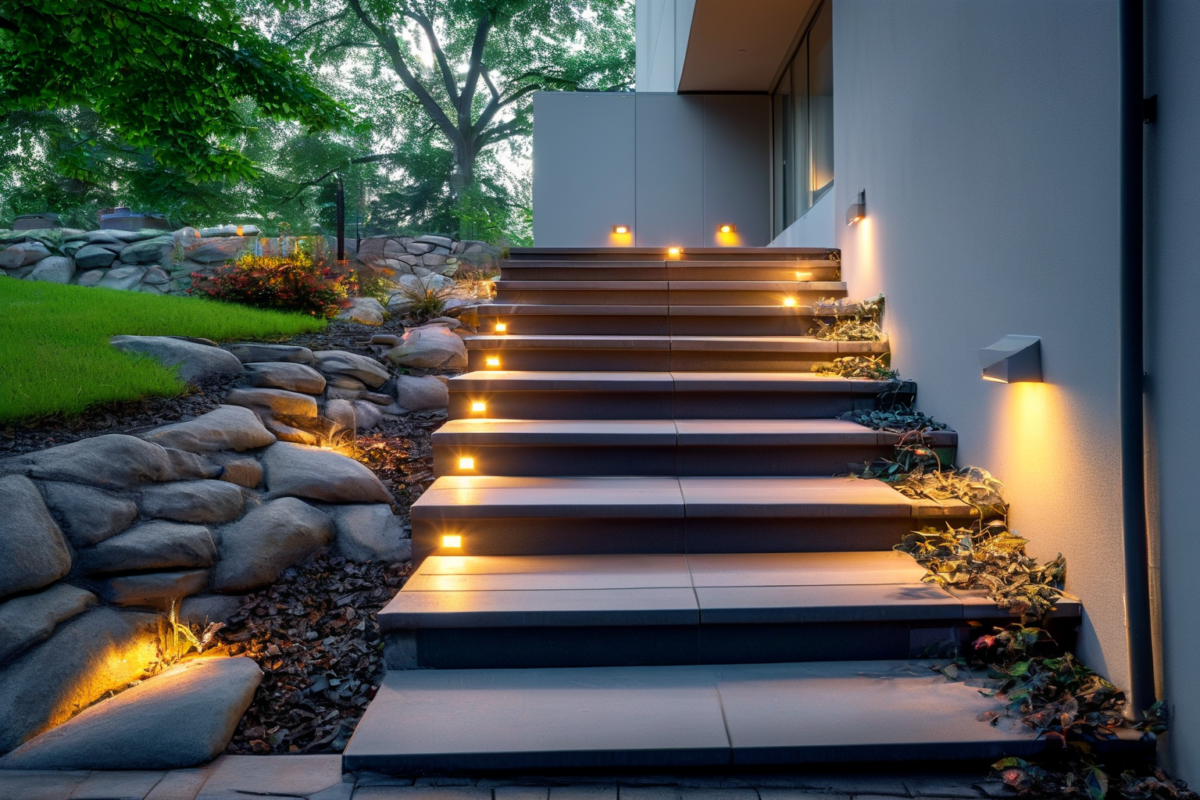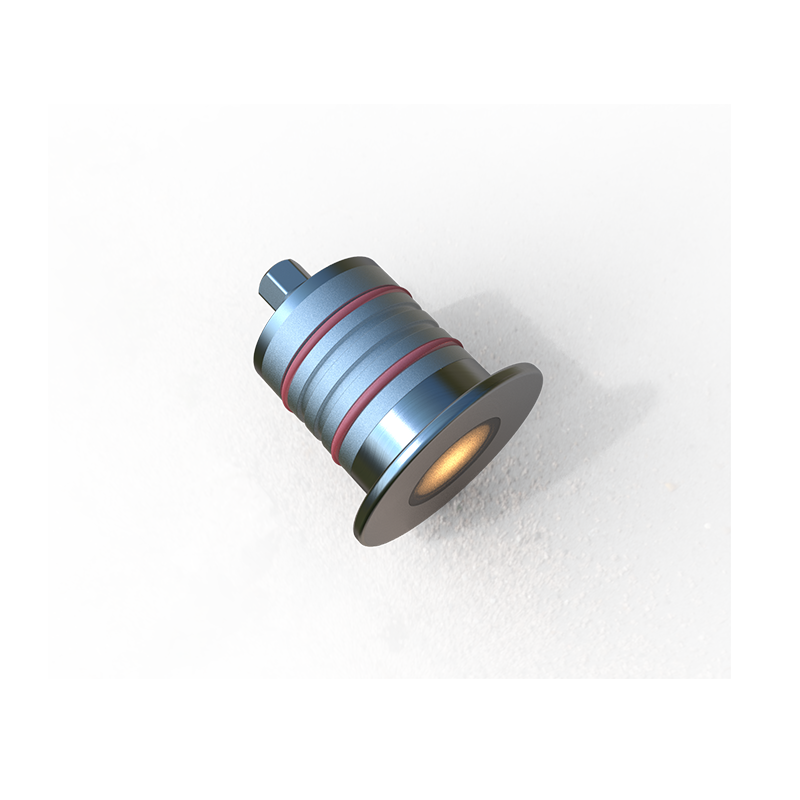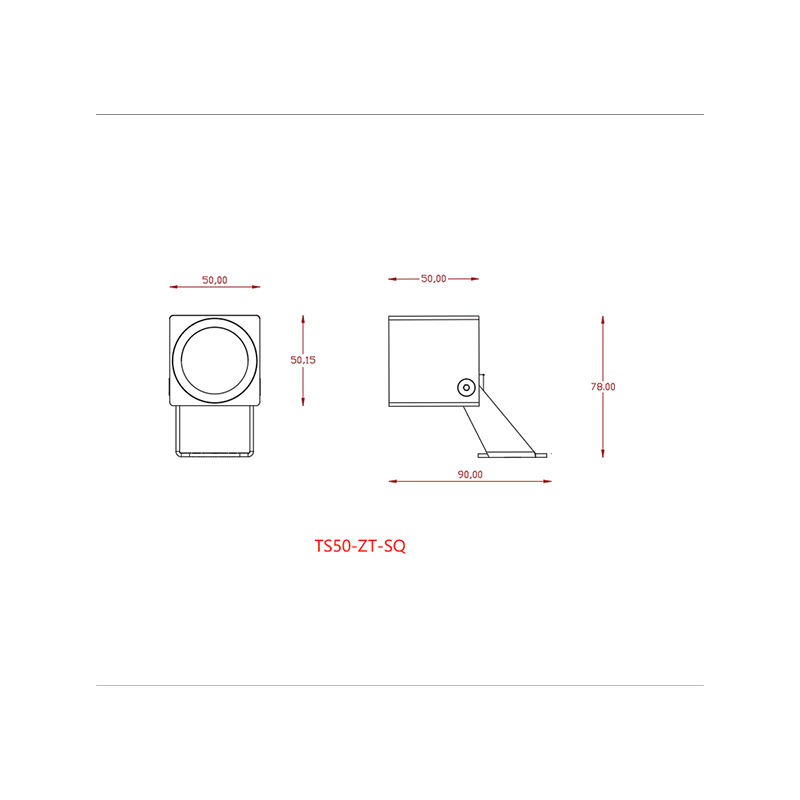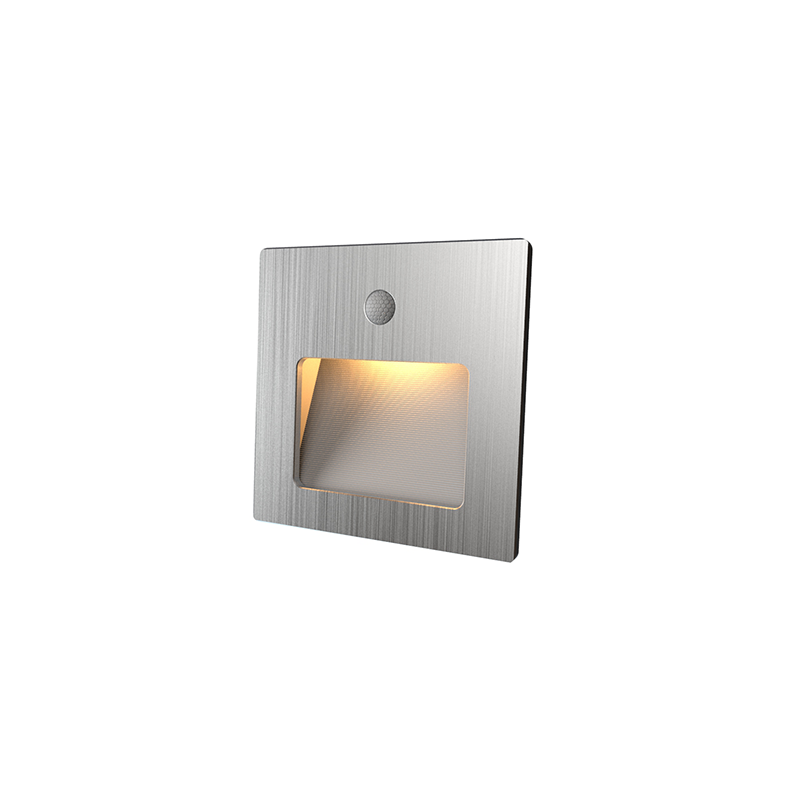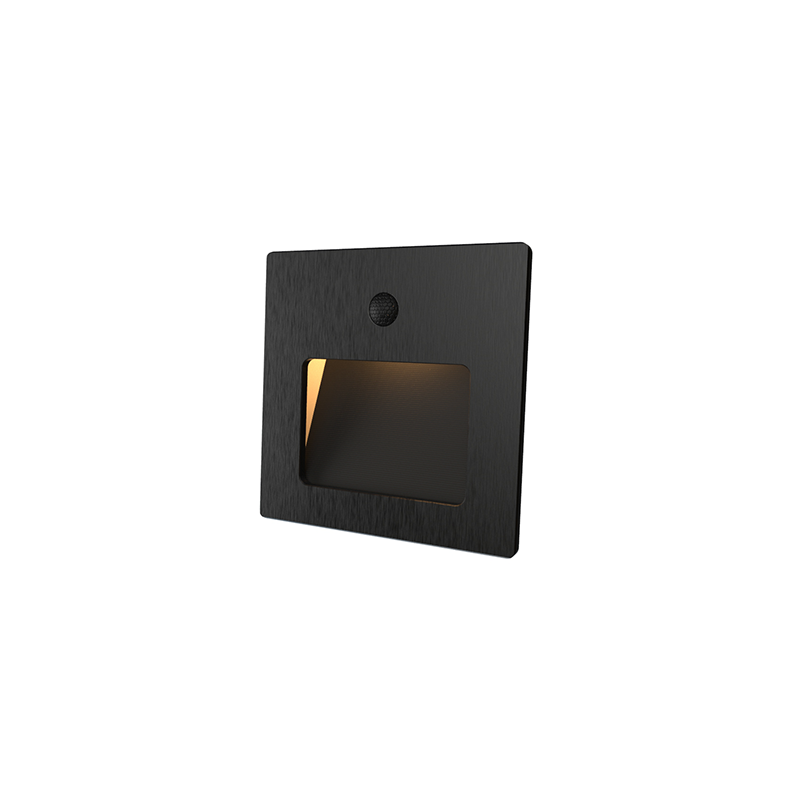
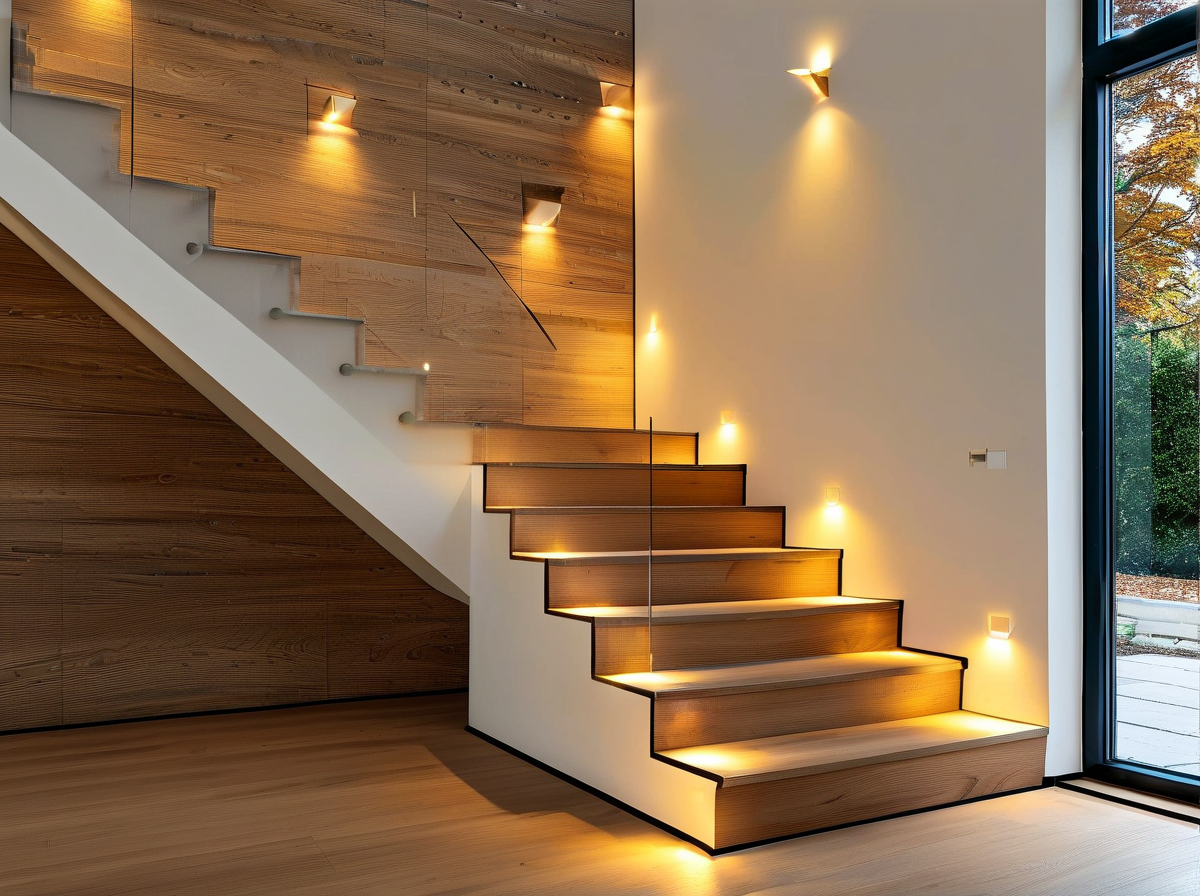
Smart, low-voltage design saves energy and looks sharp everywhere.
Understanding Hardwired Indoor LED Step Lights with Motion Sensor
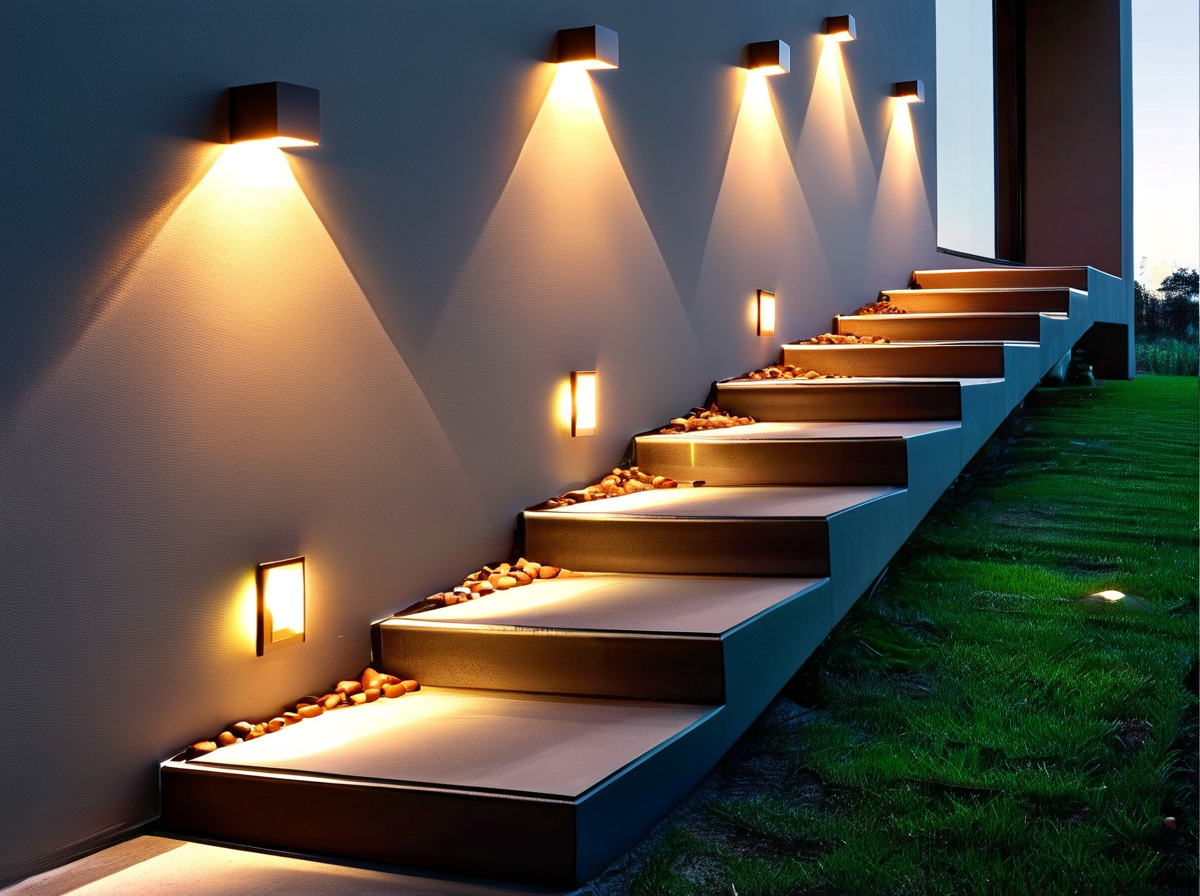
Hardwired indoor LED step lights with motion sensor systems blend clean design with smart control. From stair treads to hallway walls, this indoor lighting setup keeps night movement safe, subtle, and energy smart.
What Are Indoor LED Step Lights and Footlights
LED technology has reshaped indoor lighting, especially for step lights and footlights built into walls or risers. A hardwired indoor LED step lights with motion sensor system connects directly to household wiring, delivering steady illumination without plugs or batteries.
• Low-profile fixtures reduce glare
• Balanced brightness for night vision comfort
• Strong energy efficiency with long lifespan
-
Recessed wall-mounted lights
-
Surface-mounted footlights
-
Trimless architectural designs
A quick comparison helps clarify how indoor LED stair lighting performs in real homes:
| Model Type | Wattage (W) | Lumens (lm) | Voltage (V) | Lifespan (hrs) |
|---|---|---|---|---|
| Recessed Mini | 3W | 120 lm | 12V | 50,000 |
| Square Wall | 5W | 250 lm | 120V | 40,000 |
| Slim Footlight | 2.5W | 100 lm | 12V | 60,000 |
| Wide Beam | 7W | 420 lm | 120V | 45,000 |
| Motion Combo | 4W | 180 lm | 12V | 50,000 |
For homeowners wanting hardwired LED step lights indoors, brands like MG Lighting / LEDStepLight.com focus on stable output and smooth dim glow—no harsh hotspots, just calm path lighting.
How Motion Sensors Enhance Nighttime Guidance
A hardwired indoor LED step lights with motion sensor setup adds smart motion detection and smooth automatic activation. Late-night trips feel safer. No switches. No fumbling.
-
Occupancy sensing detects body heat or movement.
-
Signal triggers the driver.
-
Light fades on at preset brightness.
-
Timer shuts off for energy saving.
• Boosts nighttime safety on stairs
• Adds everyday convenience
• Improves overall user experience
Hardwired indoor LED stair lights with motion sensor control are especially useful for kids and seniors. The light appears right when needed, then quietly disappears.
Key Components: Transformer, Junction Box & Wiring
At the core of hardwired indoor LED step lights with motion sensor systems sit three essentials: transformer, junction box, and wiring. Each plays a role in safe electrical connection and stable power supply.
-
Transformer
-
Converts 120V to 12V for low-voltage LED units
-
Protects against voltage spikes
-
-
Junction box
-
Houses secure wire splices
-
Meets safety standards
-
-
Wiring
-
Connects fixture to main circuit
-
Ensures code-compliant installation
-
Installation usually follows this flow:
-
Plan fixture spacing along staircase.
-
Run concealed wiring through studs.
-
Mount junction box flush to drywall.
-
Connect transformer to dedicated line.
-
Attach LED fixture and test sensor range.
Hardwired indoor LED step lights with motion sensor products from MG Lighting / LEDStepLight.com are designed for straightforward integration with standard indoor circuits. Clean wiring. Reliable response. Long-term peace of mind.
Benefits of Installing Hardwired LED Step Lights in Your Home
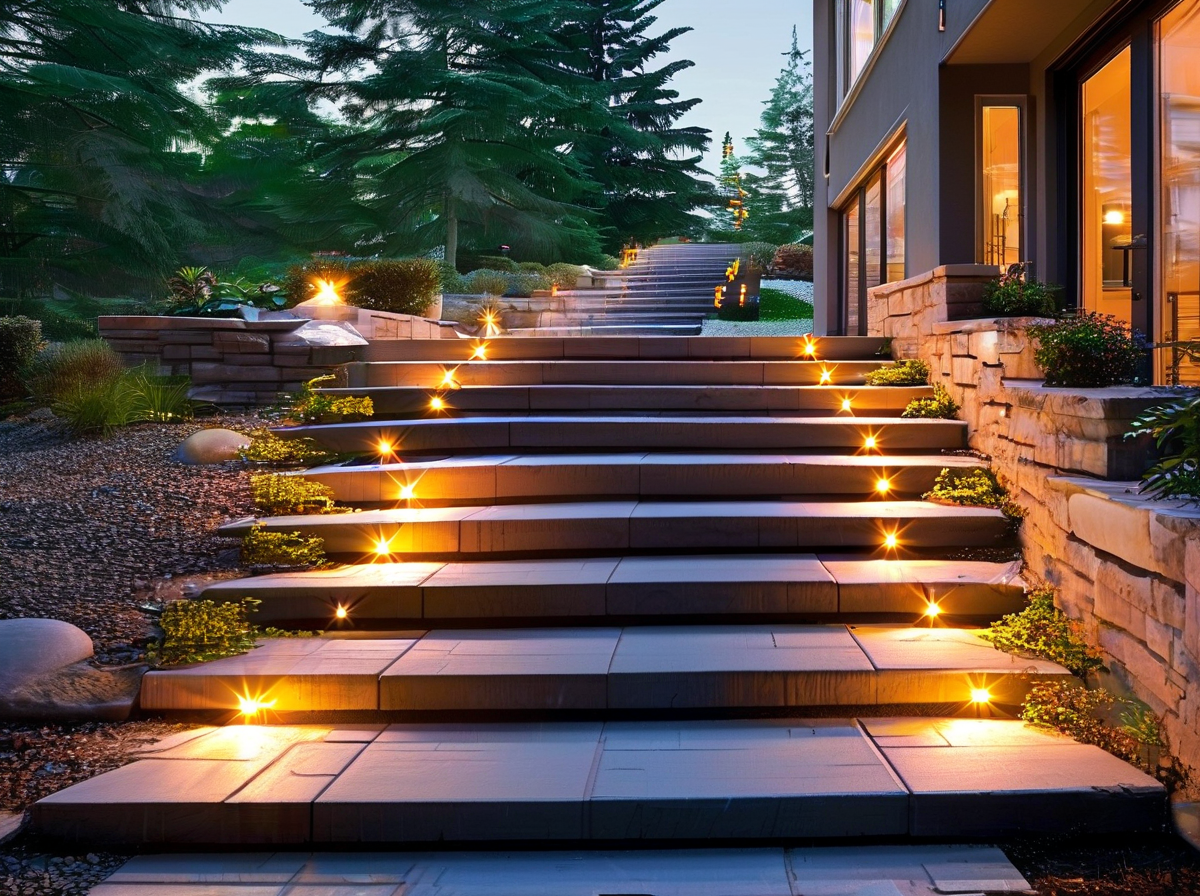
Hardwired indoor LED step lights with motion sensor systems are changing how homes handle safety and style. From quiet midnight walks to daily stair traffic, these fixtures blend staircase lighting, smart sensing, and clean design. If you’re considering hardwired indoor LED step lights with motion sensor features, here’s what really makes them worth it.
Enhanced Visibility for Staircase Lighting and Fall Prevention
Hardwired indoor LED step lights with motion sensor setups directly improve visibility and illumination where it matters most—stairs and corridors.
-
Core Safety Functions
-
Staircase lighting design
-
Consistent low-level glow
-
Reduced shadow pockets
-
-
Fall prevention support
-
Edge definition on treads
-
Clear depth perception
-
-
Hazard reduction strategy
-
Even beam spread
-
Glare control for night safety
-
-
-
Soft wall-wash output
-
Targeted tread coverage
-
Continuous pathway guidance
A properly installed hardwired indoor LED step lights with motion sensor system keeps brightness steady without harsh glare. It’s subtle, yet it quietly cuts risk in high-traffic areas.
Short takeaways: better footing. Clear edges. Confident movement.
Automated Safety with PIR & Occupancy Sensor Technology
Smart sensing turns ordinary automatic lighting into hands-free protection.
-
PIR sensor response
-
Occupancy sensor accuracy
-
Real-time motion detection
With hardwired indoor LED step lights with motion sensor controls, lights activate only when needed. No fumbling for switches. No wasted power.
• Walk in
• Light responds
• Area clears
• Light fades
That simple rhythm adds everyday convenience and reliable hands-free operation, especially in hallways and staircases where quick response matters.
Energy-Efficient LED Technology and Long Lifespan
Modern LED technology balances energy efficiency and performance.
Hardwired indoor LED step lights with motion sensor integration reduce runtime through intelligent activation. That means:
-
Lower reduced electricity cost
-
Extended long lifespan
-
Minimal low maintenance
-
Greener, sustainable lighting
Compared with traditional fixtures, indoor LED step lighting consumes far less wattage while maintaining strong lumen output. MG Lighting / LEDStepLight.com designs solutions that keep operating costs steady without sacrificing brightness.
Sleek Aesthetic: Trimless Fixture in Modern Lighting
Clean lines sell the look.
A recessed trimless fixture disappears into the wall, supporting modern lighting trends focused on seamless integration. No bulky edges. No visual clutter.
Hardwired indoor LED step lights with motion sensor technology can still maintain a minimalist look while enhancing interior design goals. In contemporary homes, lighting should guide movement quietly—and look good doing it.
Subtle glow. Sharp lines. Effortless contemporary style.
Choosing the Right Motion Sensor LED Step Light
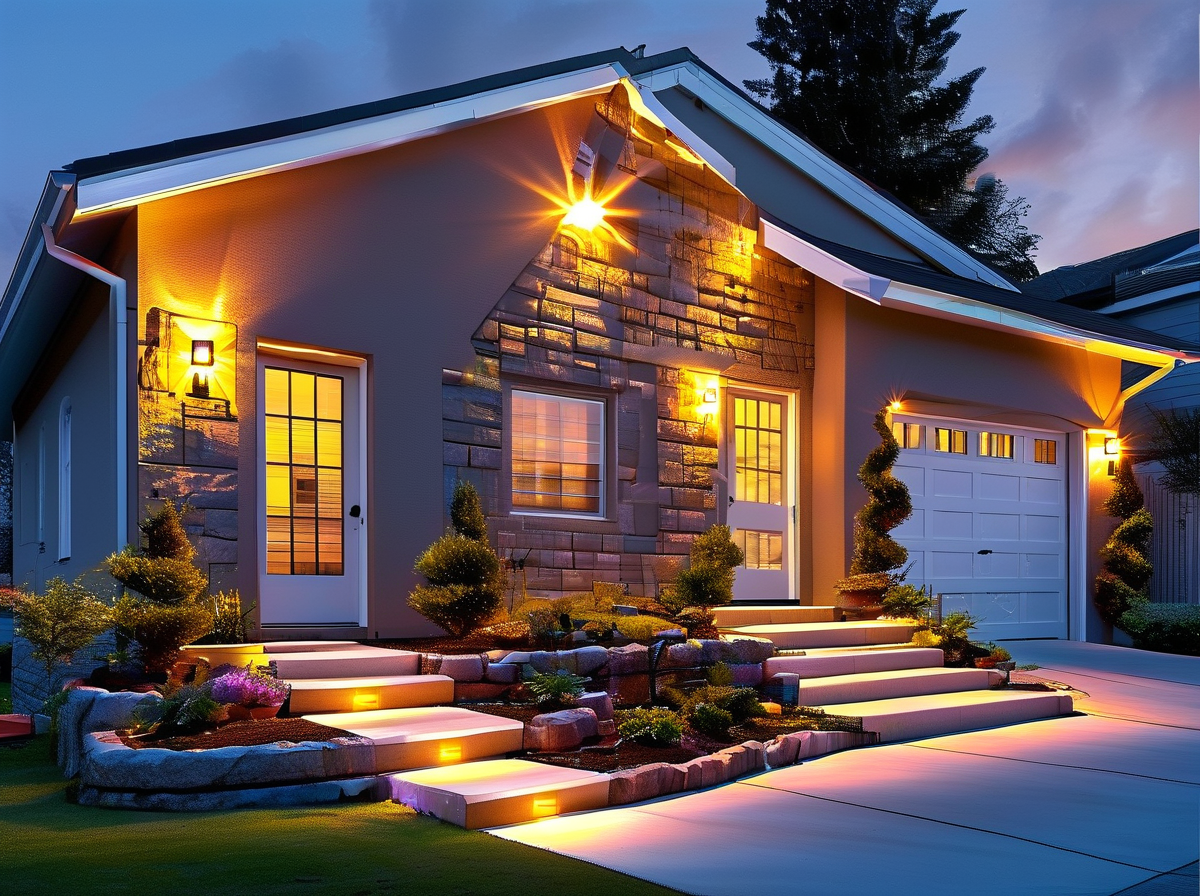
Good lighting changes how a home feels at night. When you’re picking hardwired indoor led step lights with motion sensor, the choice isn’t just about brightness. Power setup, color tone, and mounting style all shape safety, comfort, and long-term performance. Let’s break it down in plain terms.
Low-Voltage vs. 24V DC Power Supply Options
When selecting hardwired indoor led step lights with motion sensor, power planning comes first. A low-voltage system keeps things safer for residential installs, but details matter.
-
low-voltage system
-
24V DC power
-
transformer
-
Confirm your main power source capacity.
-
Match voltage compatibility with the fixture rating.
-
Review wiring requirements behind the wall.
Here’s how it plays out:
-
For smaller homes
-
12V setups
-
Shorter cable runs
-
Lower drop risk
-
-
-
For larger layouts
-
24V DC power
-
Better for longer distances
-
Improved energy efficiency
-
-
If you’re upgrading to hardwired LED step lights with motion sensor features, double-check the transformer load. Overloading leads to flicker. Undersizing limits expansion. Brands like MG Lighting / LEDStepLight.com design fixtures that clearly label voltage compatibility, which saves time during installation.
Quick tip: indoor LED step lighting with motion sensor works best when wiring is planned before drywall closes. Less patchwork later.
Warm White Light or Cool White Light?
Light tone affects mood more than most folks expect. With hardwired indoor led step lights with motion sensor, you’ll usually choose between warm white and cool white based on color temperature and lumens.
★ warm white (2700K–3000K)
★ cool white (4000K–5000K)
Short breakdown:
-
Warm feels relaxed. Softer light output. Cozy hallway vibe.
-
Cool looks crisp. Higher perceived visibility. Cleaner stair edges.
For family homes:
-
Bedrooms nearby → lean toward warm white for better nighttime ambiance.
-
Basement stairs or utility corridors → cool white boosts clarity.
If safety is the goal, focus on balanced lumens rather than chasing harsh brightness. Hardwired indoor LED step lights with motion sensor controls already limit glare by activating only when movement is detected. That’s practical and energy smart.
Many homeowners mixing indoor LED step lighting with motion sensor units now combine tones—warm upstairs, cool downstairs. MG Lighting / LEDStepLight.com offers both ranges, keeping color temperature options flexible without changing fixture design.
Recessed Installation vs. Flush-Mount Design
Mounting style shapes both look and labor. With hardwired indoor led step lights with motion sensor, you’ll compare recessed installation and flush-mount design.
-
recessed installation
-
flush-mount design
-
mounting options
Nested considerations:
-
Wall structure
-
Requires wall cut-out
-
Works best during renovation
-
Hides wiring fully
-
-
-
Surface conditions
-
Allows surface mounting
-
Ideal for concrete or brick
-
Faster installation ease
-
-
Recessed units sit clean in the wall, nearly invisible during the day. That sleek aesthetics appeal works well in modern interiors.
Flush styles, on the other hand, reduce cutting and trim time. For retrofits, that’s a big win. Hardwired LED step lights with motion sensor systems in flush format still connect directly to line power, maintaining reliability.
If you want a sharp architectural look, go recessed. If you want quick upgrades with less dust and mess, surface mounting makes sense. Either way, properly installed hardwired indoor led step lights with motion sensor add safety, polish, and long-term value to everyday living spaces.
Step-by-Step Installation Guide
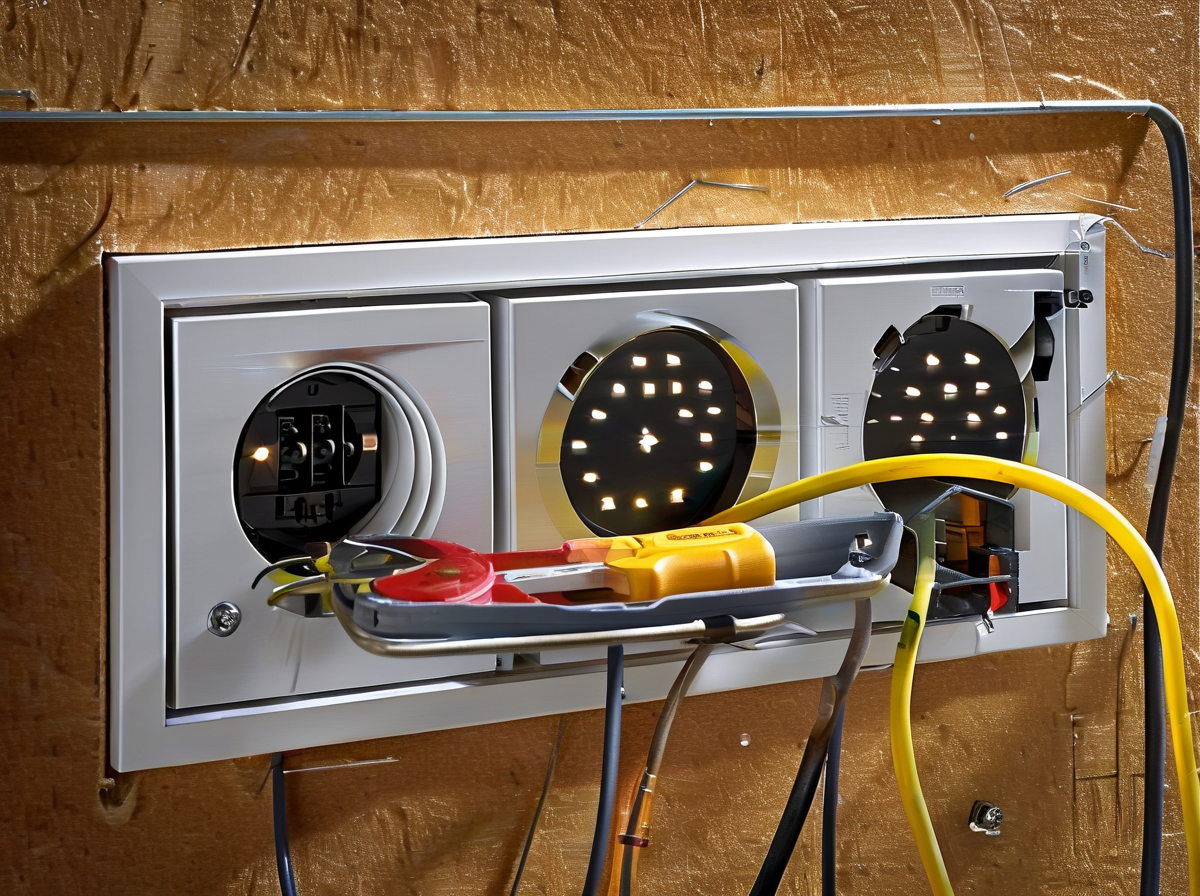
Getting hardwired indoor led step lights with motion sensor set up right isn’t hard, but it does take care. This guide walks through safe wiring, recessed mounting, low voltage connection, and smart sensor testing in a practical, no-nonsense way.
Preparing the Junction Box and Electrical Wiring
Installing hardwired indoor led step lights with motion sensor starts behind the wall, not at the fixture face.
-
Shut off the circuit breaker connected to the power source.
-
Verify voltage with a tester.
-
Keep tools nearby: wire strippers, wire connectors, screwdriver.
Inside the junction box, wiring should feel organized, not crammed.
-
Strip insulation cleanly without nicking copper.
-
Match hot, neutral, and ground wire correctly.
-
Cap with rated wire connectors.
-
Secure everything neatly in the junction box.
For hardwired indoor led step lights with motion sensor, stable electrical wiring prevents flicker and sensor glitches. Loose grounds often cause erratic motion sensor triggers. Keep cable bends smooth. No sharp twists.
If you’re upgrading from basic LED step lighting to smart LED step lights with motion sensor, double-check amperage ratings before sealing the wall.
Recessed Installation and In-Wall Mounting Techniques
Clean wall openings make recessed installation look pro-level.
Preparation checklist:
-
Locate studs using a stud finder.
-
Mark the wall opening with a level.
-
Cut drywall carefully using a drywall saw.
For in-wall mounting of hardwired indoor led step lights with motion sensor, follow this logical flow:
-
Wall Assessment
-
Measure cavity depth.
-
Confirm clearance from insulation.
-
-
Fixture Positioning
-
Attach mounting bracket.
-
Feed wiring safely through.
-
-
Alignment
-
Adjust horizontally with a level.
-
Tighten screws evenly.
-
A tight recessed installation prevents light bleed around trim edges. Many homeowners upgrading to indoor LED step lights prefer low-profile housings for hallway or stair tread visibility. MG Lighting / LEDStepLight.com designs fixtures sized specifically for common residential stud spacing, which cuts install time and guesswork.
Connecting the Transformer or Power Supply Unit
Low voltage stability matters for hardwired indoor led step lights with motion sensor.
Electrical configuration typically includes:
-
Transformer or power supply unit
-
Low voltage wiring
-
Terminal block
-
Proper polarity alignment
Connection logic:
-
Confirm main voltage input.
-
Connect line voltage to the transformer.
-
Route DC output to fixture terminals.
-
Match polarity at the terminal block.
Technical reference table:
| Input Voltage (AC) | Output Voltage (DC) | Recommended Wire Gauge | Max Run Length (m) |
|---|---|---|---|
| 120V | 12V DC | 16 AWG | 15 |
| 120V | 24V DC | 18 AWG | 25 |
| 230V | 12V DC | 16 AWG | 12 |
| 230V | 24V DC | 18 AWG | 20 |
An AC adapter is suitable for smaller loads, but a centralized power supply unit works better for multiple stair lights. MG Lighting / LEDStepLight.com provides matched drivers for indoor stair lighting systems to reduce voltage drop and extend lifespan.
Testing Automatic Lighting with a Daylight Sensor
Once mounted and powered, testing matters. Smart hardwired indoor led step lights with motion sensor rely on proper daylight sensor calibration.
Sensor verification flow:
-
Ambient Check
-
Measure ambient light during daytime.
-
Confirm fixture remains off.
-
-
Low-Light Simulation
-
Cover daylight sensor.
-
Walk across detection zone.
-
-
Fine Tuning
-
Adjust sensitivity adjustment dial.
-
Observe light output consistency.
-
Use test mode if available. Trigger the motion sensor several times from different angles. Automatic lighting should activate smoothly and shut off without delay.
When correctly installed, hardwired indoor led step lights with motion sensor deliver safe nighttime navigation without wasting power. MG Lighting / LEDStepLight.com systems are tuned for balanced detection range and stable performance, making indoor LED stair lighting feel effortless day after day.
Maintenance and Safety Considerations

Hardwired indoor LED step lights with motion sensor systems keep stairs safe and sharp-looking, but only when maintained right. From motion sensor tuning to LED brightness checks, small habits prevent big headaches and keep every indoor LED step light working like day one.
Routine Sensor Calibration and LED Performance Checks
Hardwired indoor LED step lights with motion sensor setups rely on steady calibration, stable power source, and solid wiring integrity. A smart routine keeps LED performance crisp and predictable.
-
Sensor Accuracy Management
1.1 Inspect motion sensor lenses
-
Wipe dust weekly to protect functionality
-
Check alignment toward stair traffic
1.2 Adjust detection range
-
Reduce false triggers
-
Balance brightness timing
-
-
LED Output Verification
2.1 Measure lumen stability
2.2 Compare color temperature drift
2.3 Confirm dimming response
| Check Item | Standard Value | Action Threshold |
|---|---|---|
| Brightness (Lumens) | 120–180 lm | <100 lm |
| Sensor Delay (Sec) | 20–40 s | >60 s |
| Voltage (V) | 110–120 V | ±10% |
| Power Draw (W) | 2–4 W | >5 W |
| Detection Range (ft) | 6–10 ft | <4 ft |
Hardwired indoor LED step lights with motion sensor units from MG Lighting / LEDStepLight.com are built for stable indoor use, yet routine checks stretch lifespan and keep energy bills chill.
Troubleshooting Hazard Avoidance and Emergency Egress Support
When hardwired indoor LED step lights with motion sensor systems act up, safety slips fast. Start simple.
-
Flicker often signals loose wiring integrity.
-
Delayed response points to sensor sensitivity drift.
-
Dark zones hint at poor lighting coverage.
If a power failure hits, confirm backup lines before blaming a system malfunction. Many hardwired indoor LED step lights with motion sensor models support low-voltage continuity, but only if breakers and drivers cooperate.
For indoor stair lighting tied to hazard avoidance and emergency egress, follow this flow:
1) Test circuit load.
2) Reset sensor module.
3) Recheck beam spread across each tread.
Hardwired indoor LED step lights with motion sensor installations aren’t flashy gadgets. They’re quiet guardians. Keep them tuned, and stairways stay safe—no drama, just steady light.